U.S. workers may have to switch occupations post pandemic
Employees in the food service, retail hospitality and entertainment industries could see a steep decline in demand.

Follow Us
© 2026 Arizent. All rights reserved.

Employees in the food service, retail hospitality and entertainment industries could see a steep decline in demand.
Over 15% of American workers say they provide ongoing care for a chronically ill, disabled or elderly person.


The right benefits, financial planning tools and industry insight can help workers glide into their golden years.


There are ways for employers to detect inappropriate employee expenses.

In our latest podcast, one Bank of America employee tells the story of how he adopted his daughter through a specialized family planning benefit.
The surge in telemedicine has led to the rapid expansion of at-home lab testing capabilities, remote monitoring devices, and convenient apps that support how care for certain specialites can be delivered.

Continuing claims in state programs — an approximation of the number of people receiving ongoing benefits — climbed by 199,000 to 5.27 million in the week ended Jan. 2.
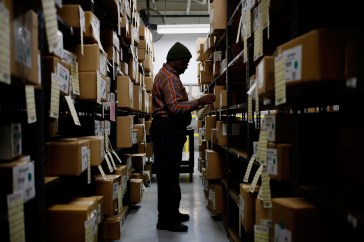
While health care plans provide your employees with coverage for medical, dental and vision expenses, out of pocket charges and child care costs pose a different challenge. But a Flexible Spending Account (FSA) funded by pre-tax contributions offers a solution.

Everyone knows about Health Savings Accounts (HSA), right? While HSAs have been around since 2003, some employees may not be fully aware of what they can gain by opening an account beyond tax-free funding and employer contributions.
As a virtual open enrollment seems highly likely this year, employers need a full range of tools and resources that have been adapted specifically for this purpose.
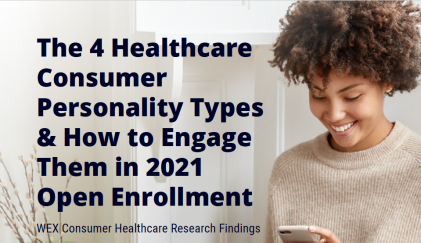
New and enhanced financial benefits can help answer the call for increased support.
Before this year, most American households admitted to struggling with at least one aspect of their financial health.
While employees have a variety of tax-advantaged accounts to choose from to help them prepare for their retirement, how do these different plans stack up?

As a virtual open enrollment seems highly likely this year, employers need a full range of tools and resources that have been adapted specifically for this purpose.
With more and more employees looking for less stressful and healthier ways of getting to work, companies are exploring Commuter Benefits programs, which encourage better commuting habits while allowing employees to put aside pre-tax dollars to pay for commuting expenses.
As you are putting together your employee benefits package, it’s important to consider the pre-tax benefits of Health Savings Accounts, Flexible Savings Accounts, Health Reimbursement Arrangements and Commuter Benefits, and make sure to include these offerings as part of your package.
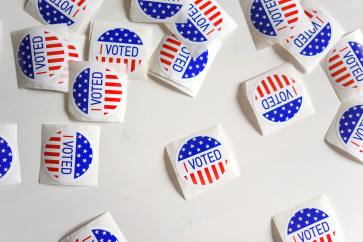
As the election approaches, perhaps your company wants to engage employees in civic action. But you may be wondering: in such a polarizing political environment, is this a good idea?

Open enrollment typically presents multiple challenges for employers, but with the prospect of a major shift toward virtual open enrollment, how can you prepare for this in the most effective way possible?

Stop loss business resilience amid a pandemic
In this session, IBM Watson Health will showcase market data and highlight key analytics and solution areas that can help employers understand and manage the unique challenges facing their populations stemming from the pandemic.