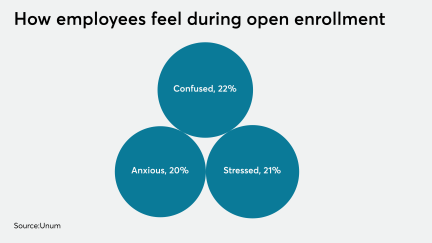
What 2026 open enrollment reveals about cost pressures ahead
Advisers say the health insurance market could stay hardened in 2027 and beyond amid greater involvement in benefit design strategies from executive teams.


Follow Us
© 2026 Arizent. All rights reserved.

Advisers say the health insurance market could stay hardened in 2027 and beyond amid greater involvement in benefit design strategies from executive teams.
What works — and what won't — when it comes to getting employees to engage with their benefits.


While health care plans provide your employees with coverage for medical, dental and vision expenses, out of pocket charges and child care costs pose a different challenge. But a Flexible Spending Account (FSA) funded by pre-tax contributions offers a solution.

Everyone knows about Health Savings Accounts (HSA), right? While HSAs have been around since 2003, some employees may not be fully aware of what they can gain by opening an account beyond tax-free funding and employer contributions.

As a virtual open enrollment seems highly likely this year, employers need a full range of tools and resources that have been adapted specifically for this purpose.
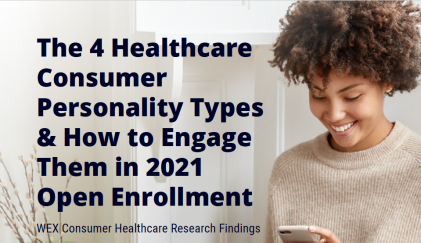
The employment landscape for Gen Z is different than it was just a few months ago. And, when benefits are tied to a job, by extension the benefits landscape has also changed.

At least 3 million people are without health coverage, a number that's expected to grow as the virus continues to play havoc with the economy and new rounds of business closings and layoffs are expected.
While employees have a variety of tax-advantaged accounts to choose from to help them prepare for their retirement, how do these different plans stack up?

As a virtual open enrollment seems highly likely this year, employers need a full range of tools and resources that have been adapted specifically for this purpose.
In order to discern which health plans offer the best bang for member bucks, benefit advisers need to understand the economics of healthcare today.

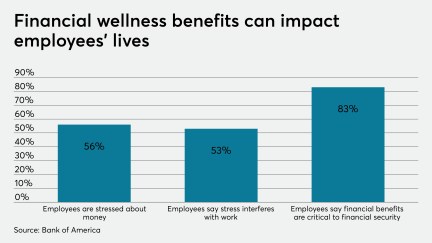
No matter how bleak things may look right now, you can still help your employees plot a path back to being financially well. Here are four steps to help restore your employees’ financial confidence.

With more and more employees looking for less stressful and healthier ways of getting to work, companies are exploring Commuter Benefits programs, which encourage better commuting habits while allowing employees to put aside pre-tax dollars to pay for commuting expenses.
As you are putting together your employee benefits package, it’s important to consider the pre-tax benefits of Health Savings Accounts, Flexible Savings Accounts, Health Reimbursement Arrangements and Commuter Benefits, and make sure to include these offerings as part of your package.
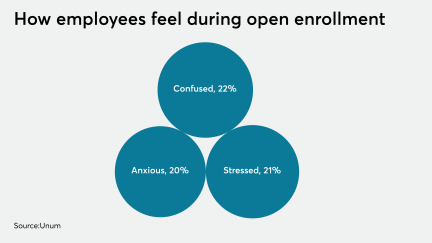
Reviewing the plan options and programs that support your well-being can go a long way towards providing peace of mind during open enrollment.

By engaging with technology, we can improve our healthcare literacy, identify cost-saving opportunities and be more prepared for the unexpected.


There’s a great opportunity for HR professionals to better communicate with employees, at scale, regularly and easily during this year's open enrollment.


Every delayed preventative screening, test or check-up can result in a failure to discover a serious medical condition that requires treatment. That raises treatment costs down the line for both company health plan and employee.
Open enrollment typically presents multiple challenges for employers, but with the prospect of a major shift toward virtual open enrollment, how can you prepare for this in the most effective way possible?

This year’s open enrollment will require new strategies and better tools for employees to make the most informed decisions regarding their benefits.

Principal’s Kara Hoogensen shares perspectives on the future of benefits, and how employers can think through a recalibration for a continued COVID-19 world.