Why advisers are taking on a bigger role in retirement plans
From fiduciary guidance to financial education, advisers are taking on more responsibility as sponsors expand investment choices and focus on participant outcomes.

Follow Us
© 2026 Arizent. All rights reserved.

From fiduciary guidance to financial education, advisers are taking on more responsibility as sponsors expand investment choices and focus on participant outcomes.
Transamerica Institute finds more middle-class workers expect to fund retirement through 401(k)s and other savings, but financial pressures could derail those plans.

A pensions specialist explains why fiduciary responsibility extends beyond investment oversight and how proper safeguards serve as a critical layer of protection.
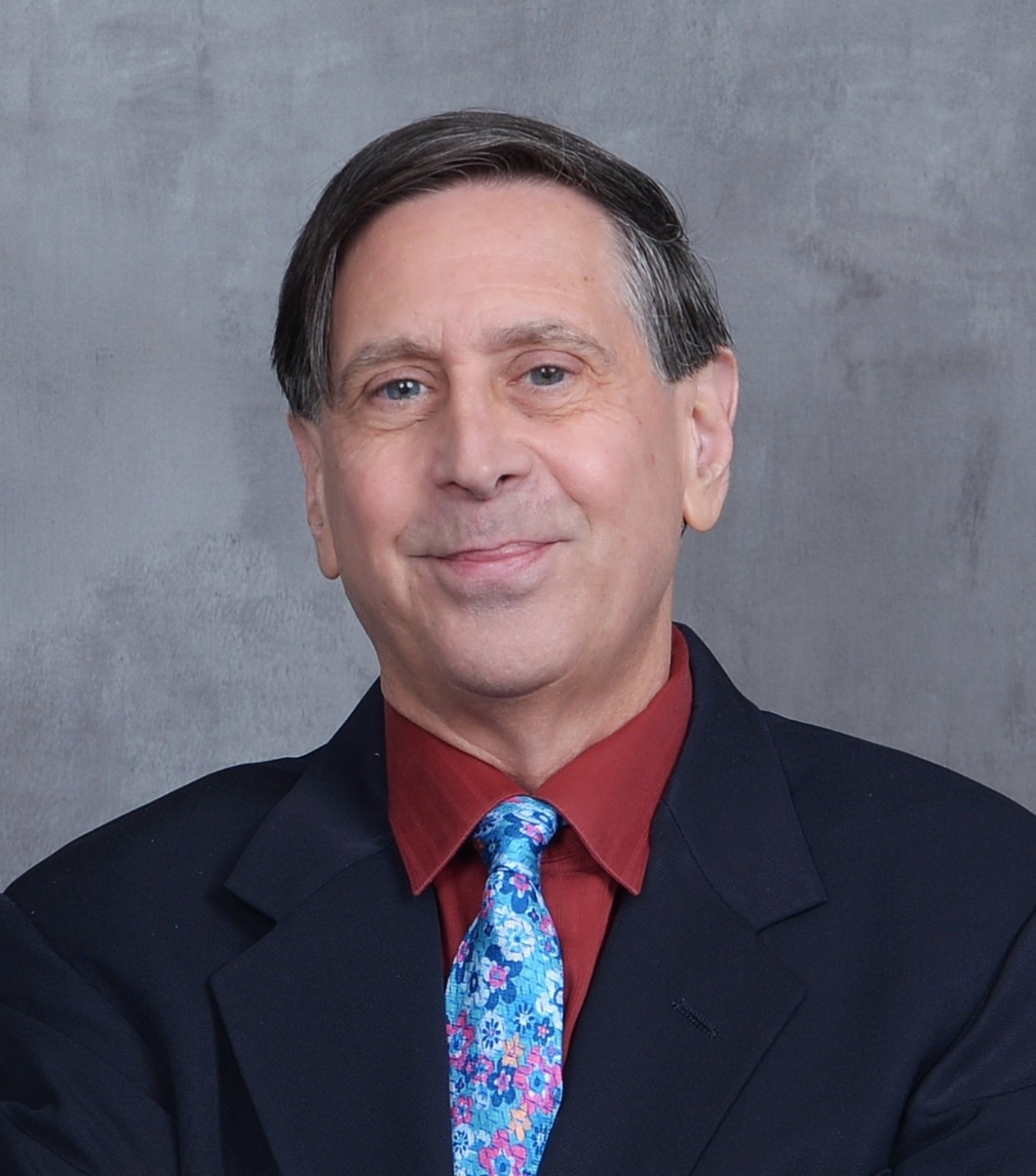

The CRO of retirement plan provider Human Interest explains how employers can simplify retirement plans and boost participation.

Employees are facing rising financial stress, retirement savings gaps, and competing priorities but new financial wellness trends are emerging to help.

Flat-fee plan pricing makes it easier to treat retirement benefits as part of a long-term business strategy rather than a variable expense that might change unexpectedly.
Aritificial intelligence is opening new possibilities for retirement plans, but employers remain cautious about risk while working to improve participant outcomes and readiness.

A wide range of employers are expressing a greater desire to measure risk, achieve more predictable retirement benefit costs, and retain top talent.

Cash-balance plans lead the way in groundswell of support for offering a more meaningful approach to generating retirement income for cash-strapped workers.

Even high-income employees are uncertain about where to put their next dollar, highlighting the need for workplace guidance on financial wellness.

A Bank of America report reveals a disconnect between employers and employees on fiscal wellness, while educational programs can improve retention and engagement.

Some ultrahigh net worth clients would be affected by a change to retirement plan contribution and distribution rules that's under consideration in Congress.

New NFP research finds 72% of workers are behind on retirement as rising costs, competing priorities, and financial stress make saving harder.

A new TIAA study finds many retired workers wish they had saved sooner, planned for healthcare costs, and prepared for career disruptions that delayed or reshaped retirement.

A Deloitte analysis shows that alternative allocations — to private equity, private credit and other vehicles — in DC plans could grow quickly.
A new Schroders survey reveals how everyday financial pressures are reshaping retirement decisions, from reduced contributions to increased plan loans.

Instead of assuming that longevity is a good-news story, acknowledge that extended longevity without a plan is a financial and emotional time bomb.
What larger retirement plan sponsors stand to gain and give up in a pooled employer plan created under the SECURE Act of 2019.
At face-value, HSAs are for short-term medical expenses, but advisors suggest paying out of pocket to maximize HSA funds for investing and tax-free growth.
With financial preparedness a continuing challenge, according to a new MetLife survey, employers have the opportunity to better equip their people through emergency savings and financial wellness benefits.