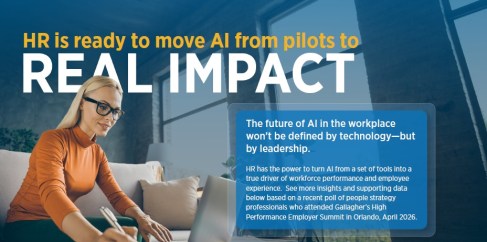
Infographic HR is ready to move from AI pilots to real impact
Find out what HR leaders are saying about AI, and how it is already embedded in their core workflows, particularly in data analysis, reporting, recruiting, and talent processes.
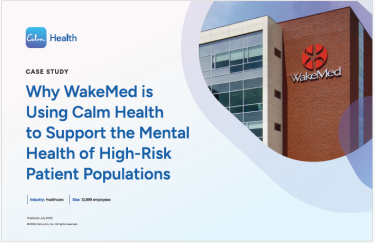
When they determined that uncontrolled mental health issues are a common root cause of poor health outcomes, they turned to Calm Health.
Get the inside track on CEOs, CFOs & HR in 2027—speak their language, solve their challenges, and win more accounts.
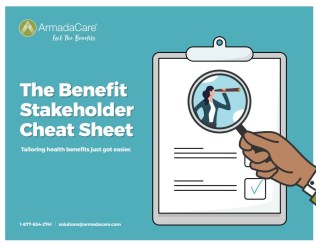
Today's benefits leaders are under pressure to deliver programs employees value while keeping costs, compliance, and administration under control. Yet most benefit programs have evolved over time across vendors, account types, and policies.
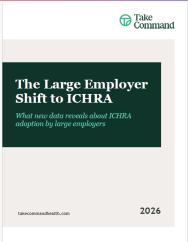
ICHRA adoption among employers with 1,000+ employees jumped 178%. What benefits leaders should know.
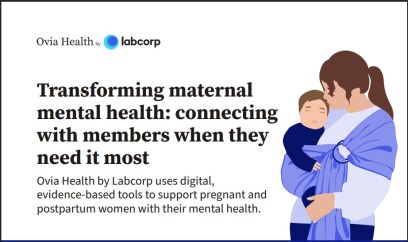
For employers looking to better support employees through pregnancy, postpartum, and maternal mental health challenges.
Healthcare is no longer a once-a-year benefits renewal—it's becoming a CFO-grade risk that can disrupt forecasts, force trade-offs, and limit investment in wages, growth, and workforce transformation.
Not long ago, leave and time-off policies were among the most stable parts of an employee benefits program — slow to change, easy to administer, rarely a source of legal risk. That era is over.
Over the last decade, paid parental leave went from a perk to a standard — offered by just 25% of employers in 2015 to nearly 75% today. But recently, some high-profile companies have reversed course, trimming or eliminating their policies as benefit budgets come under pressure.
In a fast-changing workplace, leave policies are a defining part of the employee experience—shaping culture, supporting wellbeing, and strengthening engagement and productivity.