White Paper Achieving alignment with your pharmacy benefits manager
New research: How employers are approaching pharmacy benefit management and the outcomes reported by organizations that have already moved to these PBMs.
By
will
Follow Us
© 2026 Arizent. All rights reserved.

New research: How employers are approaching pharmacy benefit management and the outcomes reported by organizations that have already moved to these PBMs.
Today's complex stressors require clearer access pathways and a company-wide commitment to mental health support.

Open enrollment doesn’t have to overwhelm employees. Collective Health’s Jacque Ludwig shares how employers can drive engagement and make benefits easier to navigate.


MetLife’s president of U.S. business shares why improving employees’ benefits literacy results in them making smarter choices for their health and financial wellness.


ICHRA adoption among employers with 1,000+ employees jumped 178%. What benefits leaders should know.
Employees say cost, complexity and relevance are getting in the way of benefits value, according to Prudential's latest research, which outlines what that means for employers.

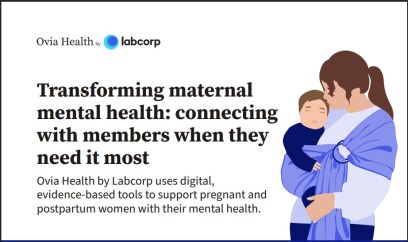
For employers looking to better support employees through pregnancy, postpartum, and maternal mental health challenges.
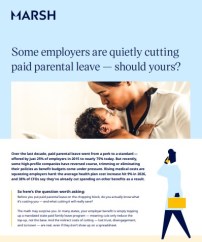
Over the last decade, paid parental leave went from a perk to a standard — offered by just 25% of employers in 2015 to nearly 75% today. But recently, some high-profile companies have reversed course, trimming or eliminating their policies as benefit budgets come under pressure.
Childcare issues are putting pressure on working parents and employers alike. Here's what benefit leaders should know about costs, tax credits and care.

Employers face another steep rise in healthcare expenses in 2027, prompting a closer look at GLP-1 coverage, pharmacy spending and high-cost conditions.

In addition to finding success with a self-funded model, an in-house program gives Fello's employees access to cost-free primary and urgent care.

Transamerica Institute finds more middle-class workers expect to fund retirement through 401(k)s and other savings, but financial pressures could derail those plans.

Public sectors are approaching chronic disease support out of necessity, leading to benefits that build a stronger workforce.

While there has been a lot of state and federal headway in leave expansion, qualifying employees are still facing steep costs.


A financial spreadsheet alone cannot capture the total value and performance of a benefits program, nor can numbers on a ledger guarantee long-term operational success.

Self-funding 101: The case for taking control of costs
The company's Life Event Services team guides colleagues through resources and benefits that make major milestones easier to manage, and has worked on more than 700,000 cases over 12 years.

The health and welfare leader and 2026 Excellence in Benefits honoree is guiding the bank in navigating them all.


Establishing policies that help with stressors like commuting logistics and finding after-school care can avoid disruption of in-office expectations.

Collaboration between employers, brokers and third-party administrators will be essential to developing customized, cost-effective and employee-friendly solutions.