‘How’s your 401(k) doing?’ is a good question to ask right now
Despite the recent market downturn, workers should remain invested in their employer-sponsored 401(k) plan.


Follow Us
© 2026 Arizent. All rights reserved.

Despite the recent market downturn, workers should remain invested in their employer-sponsored 401(k) plan.
A decline in income as a result of the death of a spouse and an increase in medical expenses both pose a serious risk to retirement but can be curbed with proper planning.
Employees who intend to invest in an IRA and make the most of the account should determine which of a Roth and a traditional IRA will best suit their needs.

Working seniors who intend to start collecting Social Security benefits in the middle of the year should know about the monthly earnings test.

A study suggests seniors tend to be healthier and live longer if they continue working past the retirement age, rather than leaving the labor force for good.


The new tax law has extended the grace period for outstanding 401(k) loans made by workers who switch jobs, luring more participants to borrow from their accounts, exposing them to greater risk.
Taxation of retirement plan distributions and Social Security benefits remains unchanged under the new tax law, but retirees are likely to see an increase in after-tax income.
Raising the payroll tax is the easy way (in theory); here are other solutions for funding the Social Security shortfall.
Working longer and delaying Social Security could result in a bigger retirement benefit.
Retirees are advised to step back to get a better perspective and then review their asset allocation in their portfolio.

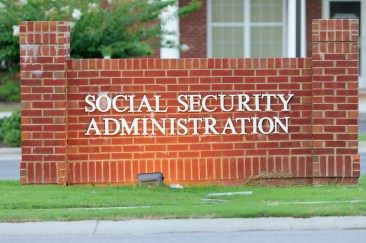
As long as their earnings won't exceed the limit set by the Social Security Administration, they will not lose their benefits.
Even if those assets are used to pay for nonmedical expenses, an HSA can still be ahead of a 401(k) plan or an IRA.

Employees have a hundred—if not a thousand—possible options to consider when claiming Social Security benefits.
Retirees who consider taking withdrawals from their 401(k) and other similar plans should account for the tax impact before making a decision.

Retirees living overseas can still claim Social Security benefits, but they must see if their country of residence requires them to have a local bank account.

Employees should consider that state laws may differ on who may be legally recognized as a beneficiary's spouse and thus whether their partner would be entitled to spousal benefits.
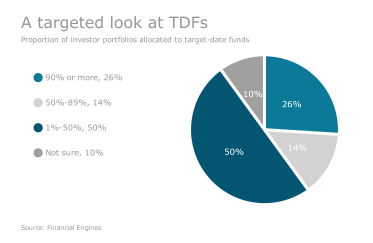
While the funds are ideal for certain people, they don't address important retirement considerations, such as the cost of funding a comfortable living and a person’s savings rate.
With many private and public pensions in the red, employees are advised to look for options that will improve their prospects, such Roth IRAs.

IRA investors can draw funds from their accounts tax-free if the money will be used to fund college tuition and other related costs.

Adding five years to working years will enable workers to replace their pre-retirement income by up to 90% instead of 60% in some cases,