Benefits Think The case for high performance health care
Can business leaders be coaxed into focusing on the serious economic threat posed by unbridled health care excesses?
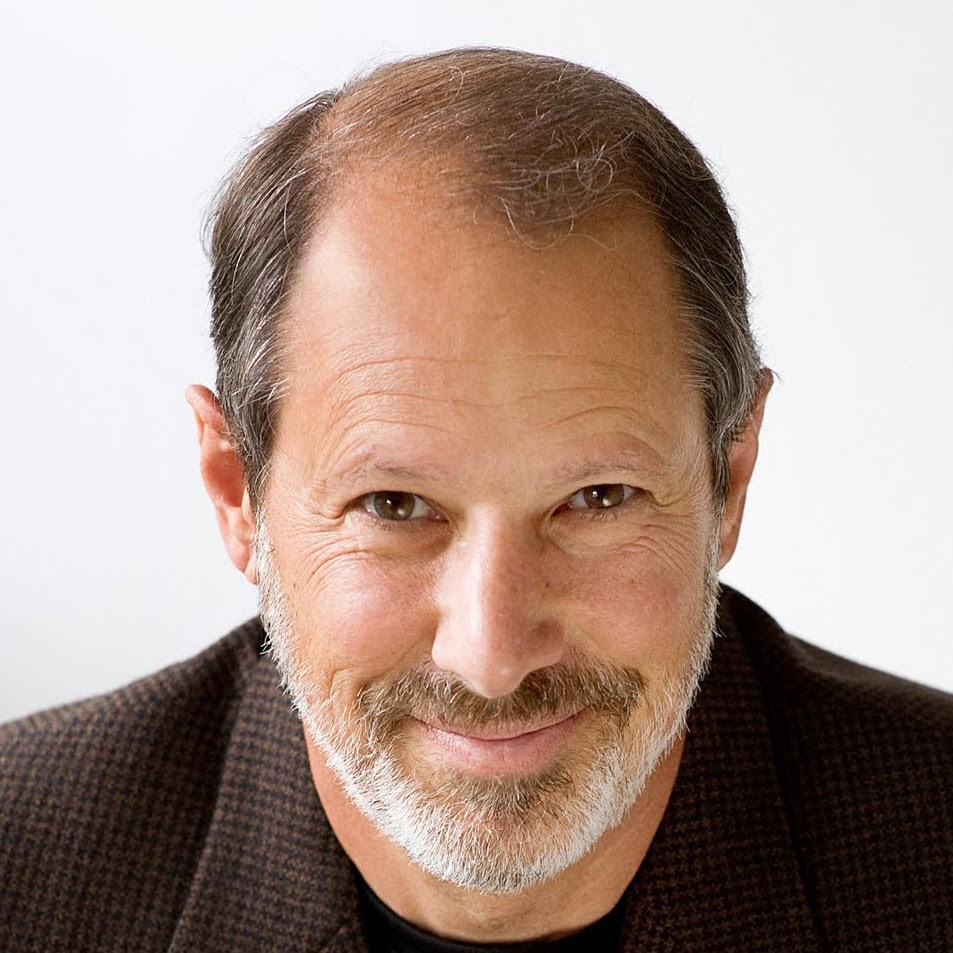
Brian Klepper
Worksite Health Advisors
Follow Us
© 2026 Arizent. All rights reserved.

Can business leaders be coaxed into focusing on the serious economic threat posed by unbridled health care excesses?
Retirement confidence around the world is up, yet only a third of employees report receiving retirement information from their employer.
Tuition assistance programs can be a valuable benefit in a competitive job market.

Commentary: As more baby boomers work past the traditional retirement age of 65, understanding how Medicare interacts with workplace health benefits becomes crucial for economic well-being.

Martha G. King, managing director of Vanguards institutional group, addresses the evolution of retirement plan education and the challenges of guaranteed annuity products within 401(k) plans.

SMILE Community Action Agency has made a concerted effort in the past year and a half to offer a more in-depth benefits package to employees so that it can become an employer of choice.
Actively managed funds still represent the largest chunk of most 401(k) investment lineups, but passively managed investments have risen in recent years because of fee disclosure regulations, target-date funds and the notion that managed accounts have been unable to beat the returns of index funds.
Is the U.S. health care system overrated and overpriced?

Commentary: Benefit professionals should take advantage of new technology and services to protect employees and help them resolve ID theft situations, says VEBAs Tinker Kelly.
With the final comment period for the DOLs proposed fiduciary rule closing later this month, experts say the pressure is on regulators to issue a final rule before President Obama leaves office.
Retirement plan sponsors need more clarity with QDIA regulations, says the Government Accountability Office.
Non-government money market funds in 401(k) plans are likely to be institutional prime money market funds that will be affected by reform rules announced by the SEC.
Employees are gaining confidence in their short-term finances but the majority is still not saving enough for retirement.
The retirement system continues to change, with close to half of all corporate DB plans now closed to new entrants.
Stock market swings reiterate need for ongoing retirement plan communication.
Reducing cash-outs and stranded 401(k) accounts increases average account balances, a key industry metric for measuring retirement plan success.
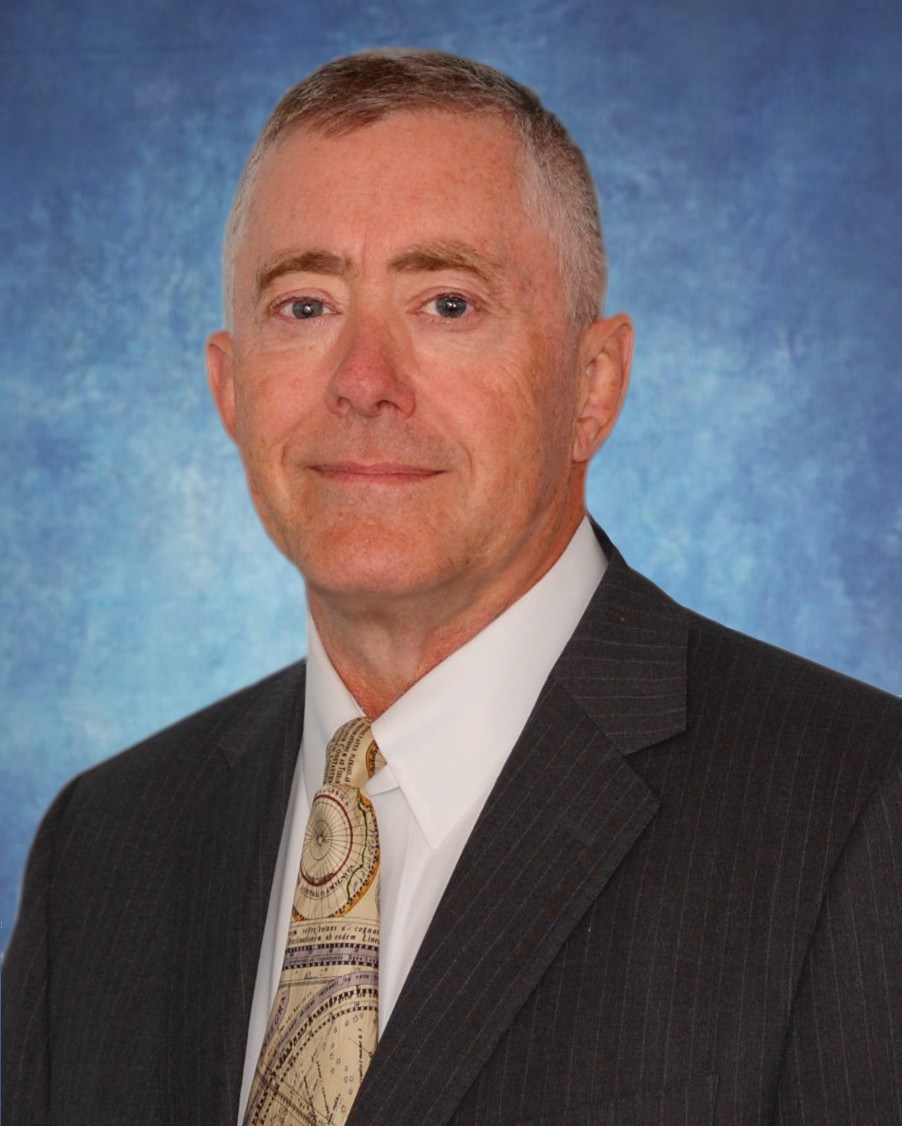
Ron Shaw, retirement program manager for Paychex, focuses on the retirement readiness of the companys young workforce.
The adoption rate of managed accounts remains low, yet retirement plan participants who use them report higher projected retirement wealth and better portfolio diversification.
Americans express lower overall retirement confidence than in years past, but rank saving for retirement a top priority.
Generation Y employees want more customization and education about their benefits and employers need to provide a broad range of offerings while taking a holistic view to contain rising health care costs.