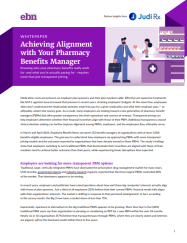
White Paper Achieving alignment with your pharmacy benefits manager
New research: How employers are approaching pharmacy benefit management and the outcomes reported by organizations that have already moved to these PBMs.
By
will
Follow Us
© 2026 Arizent. All rights reserved.

New research: How employers are approaching pharmacy benefit management and the outcomes reported by organizations that have already moved to these PBMs.
MetLife’s president of U.S. business shares why improving employees’ benefits literacy results in them making smarter choices for their health and financial wellness.


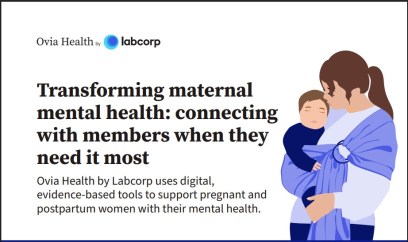
For employers looking to better support employees through pregnancy, postpartum, and maternal mental health challenges.
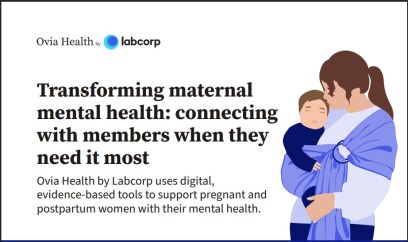
For employers looking to better support employees through pregnancy, postpartum, and maternal mental health challenges.
As the scope of gene therapy grows, understanding their impact and cost can help organizations decide how to cover them through their healthcare plans.
Why medical specialty drugs are outpacing pharmacy spend, and what self-funded employers can do about it.
Women's health benefits expanded rapidly around support and navigation, but preventing pregnancy complications now demands more clinically integrated care.

As healthcare prices and employee interest soar for the blood glucose and weight control drugs, offering coverage through lifestyle spending or specialty care accounts can help contain costs.

Part one of this two-part series looks at the background, transparency solutions and how to understand PBM profitability.
Cut healthcare costs and boost flexibility—see how ICHRA can transform your benefits strategy.
3,000 patients share their GLP-1 experiences in one of the largest surveys of its kind

With the current high-cost and high-pressure prescription drug landscape, employers are being forced to rethink how they manage pharmacy benefits – everything from the procurement process to evaluating ongoing service levels, performance, and costs. For many, this may mean shifting from a traditional pharmacy benefits manager (PBM) model to a transparent PBM model.
High copays and deductibles don't just shift costs—they delay care.
For many growing organizations, health benefits have become one of the largest line items on the P&L, yet remain the most difficult to manage. If you are operating under a traditional fully-insured model, you are likely facing a "black box" of data, annual premium hikes that feel arbitrary, and a rigid plan design that doesn't actually reflect your company culture.
Learn how benefits strategies can ease financial strain and prepare employees for healthcare challenges.
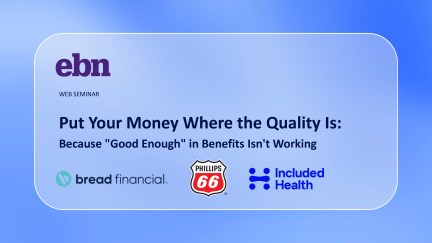
Join us for a candid discussion,as leaders share what's truly moving the needle in healthcare benefits: quality, efficiency, and human connections.
Current events are taking a toll on employees' mental health, and they're in need of more comprehensive support.


A dedicated space to wellness can combat burnout and improve worker productivity.

Direct-to-employer carve-outs can make drugs like GLP-1s more affordable for companies and more accessible for employees.
Sidecar Health's approach removes barriers associated with provider network restrictions, prior authorization, formularies and step care.