Benefits Think Helping distressed employees during changing financial times
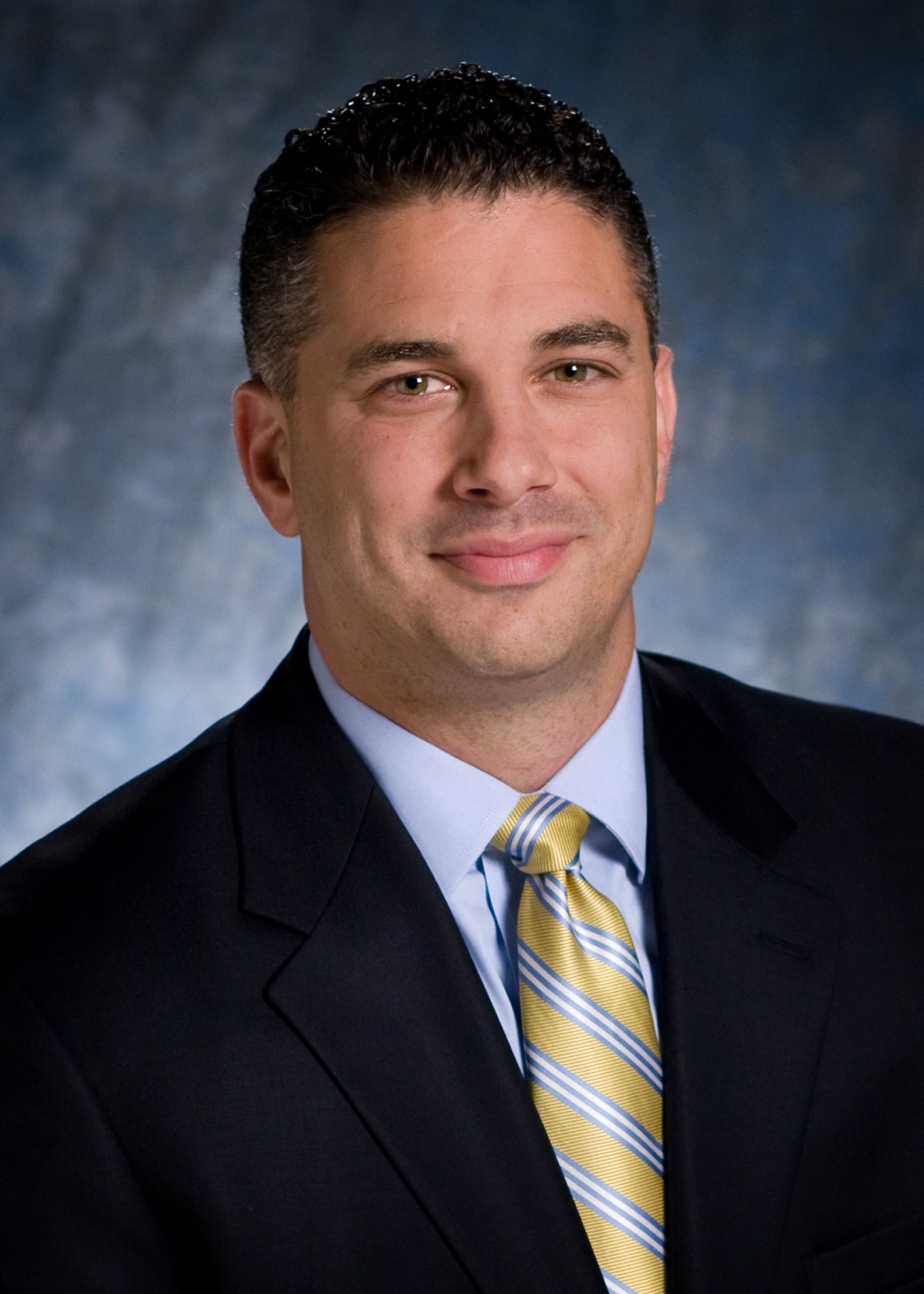
It is in the best interest of every company to help workers experience success, says CFP Mark Singer.
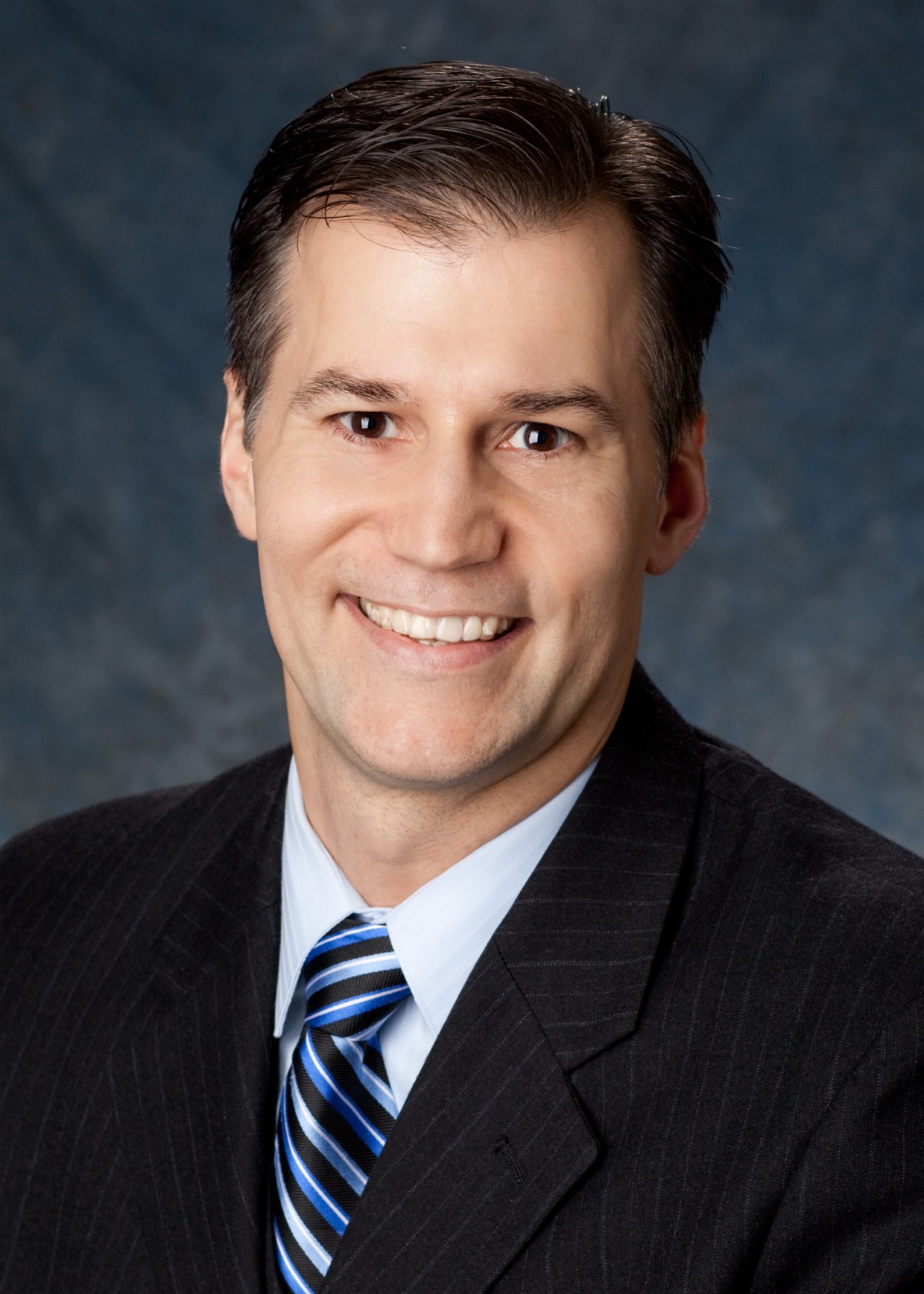
Mark Singer
The Financial Literacy Toolbox
Follow Us
© 2026 Arizent. All rights reserved.

It is in the best interest of every company to help workers experience success, says CFP Mark Singer.
From tech firm CEOs to brokers and HR professionals, these industry innovators will help shape the coming year as trends emerge and a new administration takes office.

A new Guardian study identifies specific behaviors of the most fiscally confident Americans.

Retirement expert Bob Lawton shares how leading-edge employers are strengthening their DC plans this year.

More than 8 in 10 young employees say they plan to work into retirement, which indicates a “fundamental shift.”
Beginning in January, the book publishing company will give employees up to $1,200 annually to tackle loans.

More than 8 in 10 young employees say they plan to work into retirement, which indicates a “fundamental shift.”
Employers have positions to fill, which gives workers leverage, confidence and options, says ADP’s Aldor Delp.
Beginning in January, the book publishing company will give employees up to $1,200 annually to tackle loans.
There is a disconnect between employees’ capacity to save and advisers’ willingness to address savings education, says T. Rowe Price’s Patrick Delaney.
Employers have positions to fill, which gives workers leverage, confidence and options, says ADP’s Aldor Delp.
As the older workers reach the last years in their careers, benefit managers often urge them to start saving for their final years of life.

As the older workers reach the last years in their careers, benefit managers often urge them to start saving for their final years of life.

Industry leaders share how employers can maximize plan potential while steering clear of common pitfalls.
As employees delay retirement, the programs are becoming the order of the day — and employers are taking notice.
High percentages of people become fiscally bound and gagged before they ever learn the consequences of poor monetary decisions.
Employers are worried about participants delaying retirement because of a lack of savings, but advisers can ease these concerns, says Fidelity’s Jordan Burgess.
As employees delay retirement, the programs are becoming the order of the day — and employers are taking notice.
High percentages of people become fiscally bound and gagged before they ever learn the consequences of poor monetary decisions.
Industry leaders share how advisers can maximize plan potential while steering clear of common pitfalls.