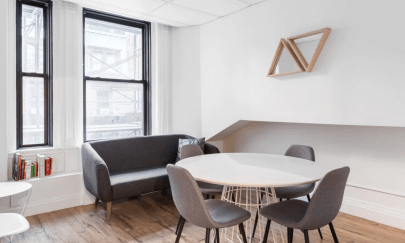
Vaccines herald return to offices, but workers don’t want to go
More than half of U.S. employees currently working from home say they’d like to keep their remote arrangements beyond the pandemic, according to a Pew Research Center survey.

Follow Us
© 2026 Arizent. All rights reserved.

More than half of U.S. employees currently working from home say they’d like to keep their remote arrangements beyond the pandemic, according to a Pew Research Center survey.
Labor attorneys advise employers on how to handle harassment during the pandemic.


As firms are preparing for what safe work will look like on the other side of the pandemic, it will be crucial to go beyond standard protocols.

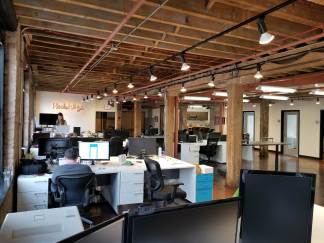
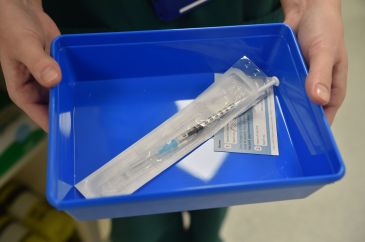
UPDATED: As COVID-19 vaccines begin to roll out, this is what an employer is allowed to require before employees return to work.

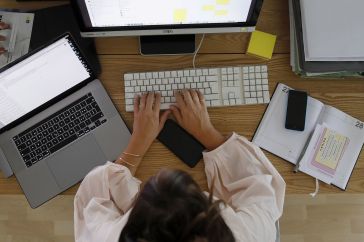
Strategists from Deutsche Bank propose a 5% levy for those who work from home on a regular basis and not because of a government lockdown mandates. Such a measure could raise $48 billion a year in the U.S.
The housing market, a bright spot in the U.S. economy, has surged as more Americans seek homes in smaller and cheaper locations.

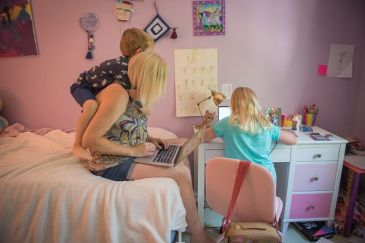
Many parents trying to work from home may be interacting less with their children, not more.
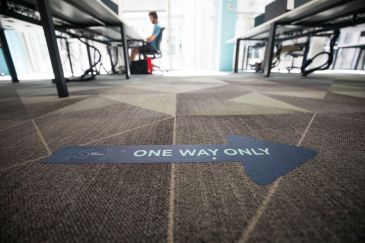
Temperature checks and plexiglass barriers between desks can't prevent one of the most dangerous workplace behaviors for the spread of COVID-19 — the irresistible desire to mingle.
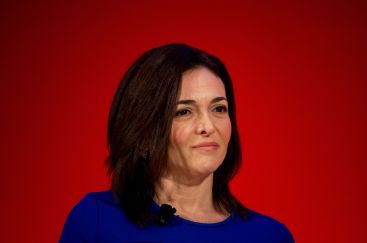
One out of four women said they may downshift their careers or leave the workforce entirely, threatening decades of career progress for female employees.

Nearly one-third of respondents said they would be uncomfortable getting back to offices, shops and factories, while half said their greatest concern was contracting the disease at work.
COVID-19 has many professional women reevaluating their priorities.
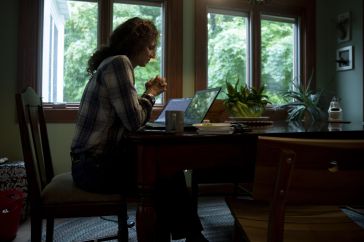
Bosses should do more to make the work-from-home experiment palatable and safe for all involved by subsidizing utility bills and workspace equipment, and changing managerial habits, with more trust given to employees.
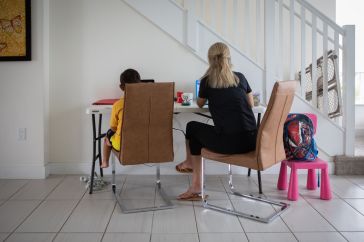
Many of your employees will be seeking guidance, as they struggle with the decision to send their child back to school.

Mobile-first communication can help employers better communicate with their non-desk workforce.

Many employees who were given the option of working from home are itching to learn what comes next with return-to-work plans.

Health Advocate has launched a return-to-work solution to support employers as they develop and implement workplace reopening plans.
School closures will continue to impact the labor force participation rate for women, who generally take on a greater share of childcare obligations.

The stress on your employees today is unprecedented and unrelenting. In response, we must remember that while our patience for COVID-19 is flagging, our commitment to behavioral health can boost workplace culture.

Returning to work during the COVID-19 pandemic requires striking a balance between safety and productivity. Here’s how employers in the healthcare, insurance and manufacturing industries did it.

Breather, a private workspace provider, offers employees a chance to take a break from their home offices, and a safer alternative to returning to work full time.