Employers need to rethink access to mental health and recovery care
Organizations are seeing more demand for mental health and substance use services. New approaches aim to make care easier to access before employees reach a crisis.


Follow Us
© 2026 Arizent. All rights reserved.

Organizations are seeing more demand for mental health and substance use services. New approaches aim to make care easier to access before employees reach a crisis.
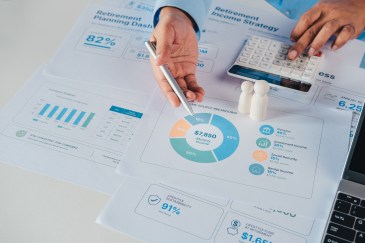
Workers estimate they’ll need over $5K in monthly retirement income, but many have no clear strategy for turning savings and investments into a steady paycheck.
Jose Conde has been working with specialty care support platform Lantern for over a year, receiving aid with everything from oncology specialist connections to claims to empathetic support.


Leading benefits professionals — and EBN Excellence in Benefits award winners — share how they are contending with rising health plan expenses.


The CEO of Connections Health Solutions explains how its crisis receiving centers can provide faster and more cost-efficient access to specialized care.

Education and healthy work routines can help keep employees from experiencing chronic pain and lower productivity.
Less expensive options and customized levels of support can help employers make these medications work within their benefits plan.

When providers rush to high-cost procedures, plan sponsors are left subsidizing a bypass of the underlying metabolic issues that most determine pregnancy success.
The human resources director discusses HR's biggest trends, challenges, and strategies for success.
Asking difficult questions, pushing for transparency, and challenging how prices are set have helped a healthcare provider offer better coverage to its employees.
The goal is to strike a thoughtful balance that supports employees during important life events while maintaining productivity, managing costs and ensuring equitable access.
With health benefit costs expected to rise 8.2% in 2027, employers are looking for ways to control spending without simply shifting more costs to workers.

Supplemental offerings such as vision, dental, accident and life insurance provide preventive care and essential coverage when things go wrong.

The commercial landscaping company’s benefits manager shares the vendor partnership and internal strategies that improved employee utilization.

Intentional efforts to connect women with comprehensive care and support can help them manage menopause symptoms and build a stronger culture.

Brokers can model ICHRA versus group plans and benchmark contributions against various metal tier plans such as gold plans.

As healthcare expenses approach double-digit increases, employers are looking for savings in waste, care delivery, and plan administration before cutting benefits.

From emergency savings to retirement and AI-powered advice, employers are rethinking financial wellness as workers struggle to keep up with rising costs.

Today's complex stressors require clearer access pathways and a company-wide commitment to mental health support.

Rising healthcare costs are forcing employers to reevaluate which benefits are worth the cost. One Pass CEO Tom Wiffler says engagement can reveal which programs deliver real value.