This CEO made time off mandatory and boosted productivity 

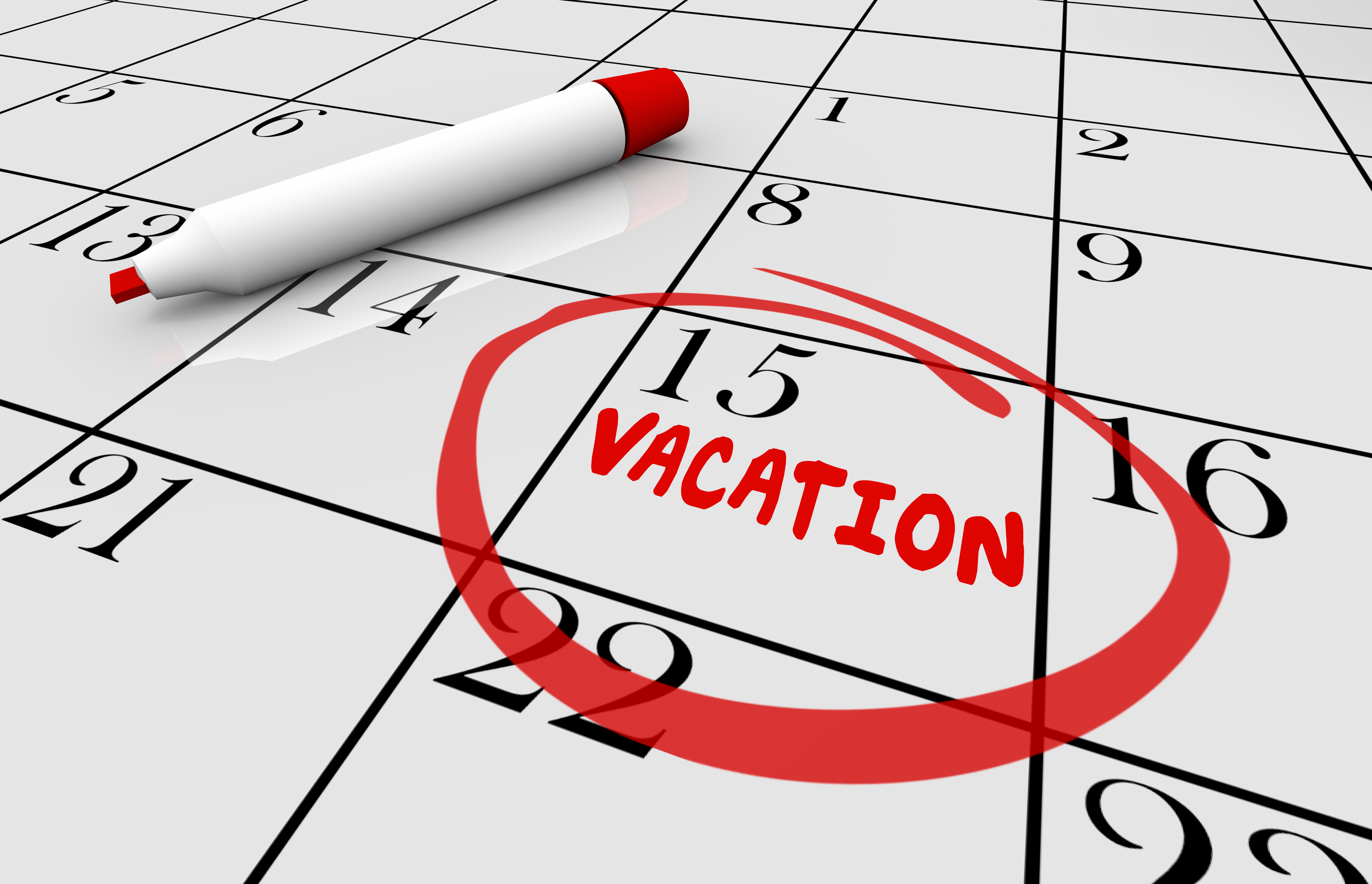
A calendar with the word "VACATION" circled on it.
Adobe Stock
  • Key Insight: Discover how mandated executive downtime improved clarity, creativity and team productivity.
  • What's at Stake: Unchecked executive burnout risks turnover, hiring costs, and degraded organizational performance.
  • Supporting Data: Trend: PTO underuse persists; firms trial "PTO-maxxing" to restore time-off usage.
    Source: Bullets generated by AI with editorial review

There was a time in her career when Jenny Phillips struggled to maintain work boundaries.

Processing Content

Phillips, who is CEO of a Utah-based homeschool curriculum publishing company, said that periods of nonstop work eventually took a toll on her productivity and creativity, especially during stretches when she was also dealing with mental health challenges.

"Slowing down and making sure I had periods of deep rest away from work allowed me not only to avoid those challenges, but to achieve the highest level of productivity I have ever experienced," Phillips said.

She later built that lesson into policy at her company, The Good and the Beautiful, formalizing expectations around time off and designating every other Friday as a day off for upper management, given the demands of their roles.

Phillips says the approach has helped employees feel more refreshed and engaged.

"Having regular Fridays off allows me to schedule appointments and errands during that Friday, which protects more of my weekend for quality time with family and friends," said Heather Wiseman, chief marketing officer for the publishing company.

Read more: Employees aren't taking their time off. Can 'PTO-maxxing' help?

Phillips recently spoke to Employee Benefit News about her company's PTO policy and the lessons other benefits leaders can take away from it. 

How do you measure whether enforced time off is actually improving productivity in a way HR or benefits leaders would recognize? 
There is actually a growing body of research showing that periods of deep rest away from work help improve focus, creativity, problem-solving and productivity. In our own experience, we have found the same thing. When we require our leaders to have periods of longer disconnect, they tend to come back with greater clarity and creativity and are able to perform at a higher level. We also know that burnout is expensive. If employees leave or need time away because of mental health challenges, there are major costs involved in recruiting, training, and the learning curves required to get new people up to speed. We would much rather help people stay healthy and productive than deal with the costs and disruption that come when people burn out and leave.

What does enforcement look like operationally? Who tracks it, and how do you ensure consistency across managers? 
Our organization is unique in that our culture is mission-driven. We strive to bring truth and beauty to the world, to encourage noticing the amazing world around us, and to make it a better place. Our upper management believes in and works with our mission as a top priority, and with that, we function with a strong sense of integrity. We do not have active "tracking" in place for this benefit, as I do not find it is needed. We all simply trust that our management is properly adhering to the policy. Also, anyone who qualifies for this benefit is aware that if they do not adhere to the time-off policy, they will lose the benefit. 

What systems or tools did you have to put in place to make nonnegotiable executive boundaries actually stick? 
Our senior directors and executives manage their workflow to allow for this benefit. As we create projects and deadlines, the expectation is that this time is built in. With the appreciation and encouragement of family time and work-life balance, it feels less like a boundary or rule and instead is just a simple fact that it is part of how we do what we do. 

Jenny Phillips

What has surprised you most about employee adoption or resistance from a benefits and engagement perspective? 
Surprisingly, we have found that giving the senior executives Fridays off has also improved the productivity of the teams below them. On those Fridays, no meetings are held, and, thus, employees have uninterrupted time to work on their own projects. There was also a surprising effect that we did not foresee for our senior executives. Leaders tend to be very driven in their work, always having work on their minds and having a hard time ever fully disconnecting. Forcing them to completely disconnect from work on their Fridays off, taking three full days where they are not allowed to work at all or even check in, has helped them learn how to disconnect during the week as well, setting better boundaries and learning to let work be out of sight and out of mind when the workday is done. 

Read more: How much PTO workers get, based on company size

This has allowed them to approach each day with more renewal and refreshment, bringing greater clarity, creativity and energy to their work. Ironically, requiring them to work less has actually helped them perform at a higher level. 

How do you handle exceptions — urgent business needs, deadlines, or client demands — without undermining the policy?
In our line of business, exceptions do occur. I trust my team to let me know if they do see the need to work on what should be a Friday off. For example, recently our chief development officer needed to monitor several projects that had a tight print deadline. She reached out to me via email to let me know that her attention was needed and that she'd be working for several hours that Friday. I let her know I appreciated the notification, that I understood the urgency, and hoped additional Friday work would not be needed. 

The teams do a wonderful job of managing workflow; however, there are times that exceptions do need to be made. With open communication and respect, I have not found that it undermines the policy at all. Instead, it encourages communication, teamwork, and further hones everyone's time-management skills. 

If a benefits leader wanted to replicate this, what's the first operational step you'd tell them to take? 
I would suggest starting small and making it temporary. Try giving your top leaders one or more Fridays off a month for a six-month period, and then analyze the results before making it a permanent benefit. 

In addition, I highly recommend making sure that employees are actually completely disconnecting from work. If employees are still checking emails here and there, jumping on for a quick meeting, or putting out little fires as they come up, it does not provide the same benefits. We have put a clear policy in place that they are not even to check their email. If an urgent issue arises, we have asked people to text the person, which rarely happens, but it allows the leader to rest knowing that they will be contacted if something truly urgent comes up. Otherwise, there is no need for them to check in. 

If an employee is found answering emails, holding meetings, or doing other work on their Fridays off, they will receive official warnings for breaking policy and stand to lose the benefit if they continue. We have found that the complete disconnect is really the key. Simply working less is not enough. Learning how to truly rest is what provides the biggest benefits. 


For reprint and licensing requests for this article, click here.
Employee benefits Health and wellness Workforce management Industry News
MORE FROM EMPLOYEE BENEFIT NEWS
Load More