New Mastercard partnership provides flexible benefits to gig and independent workers
Through the partnership, employers can offer health, dental and vision benefits to contract employees through their credit cards.

Follow Us
© 2026 Arizent. All rights reserved.

Through the partnership, employers can offer health, dental and vision benefits to contract employees through their credit cards.
Though it was initially necessary to keep employees from getting sick, remote work promises to make people more productive and happier while helping the environment and preserving infrastructure.

Persistently high jobless claims, along with this week’s announcements of tens of thousands of layoffs, indicate widespread economic pain.
As many as tens of millions of women may never return to the labor force, even after a vaccine is found. Altogether, global gross domestic product could be $1 trillion less in 2030 than it would be without a gender unemployment gap.
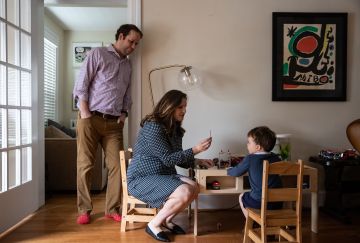
“This isn't just an issue for women. It's an issue for families, and it's an issue for the government and economies because it drives GDP,” says Jennifer Reynolds, a former investment banker and CEO of Toronto Finance International.


Chances of further employment and economic gains are diminishing without the widespread stimulus payments and small-business aid that have sustained incomes and spending.
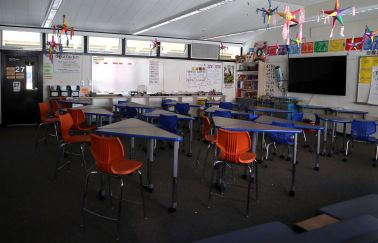
School closures will continue to impact the labor force participation rate for women, who generally take on a greater share of childcare obligations.
The Internal Revenue Service projects that lower levels of employment in the U.S. could persist for years, showcasing the economic fallout of the coronavirus pandemic.


Uber and Lyft were ordered to convert their California drivers from independent contractors to employees with benefits but the ruling won’t be the last word, as the companies vowed to appeal the preliminary injunction.
Initial jobless claims in regular state programs fell by 249,000 to 1.19 million in the week ended Aug. 1, Labor Department data showed Thursday.
Initial jobless claims in regular state programs fell by 99,000 一 the most in a month 一 to 1.31 million in the week ended July 4, Labor Department data showed Thursday.
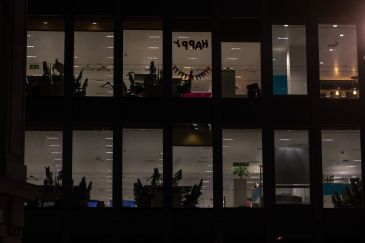
Applications for U.S. unemployment benefits gradually eased last week despite a stream of business reopenings, underscoring the longer-term labor-market challenges caused by the coronavirus pandemic. Initial jobless claims for regular state programs totaled 1.54 million in the week ended June 6, down from 1.9 million in the prior week, Labor Department figures showed Thursday. Applications […]

Since efforts to the contain COVID-19 pandemic rapidly shut down the U.S. economy in mid-March, about 38.6 million initial unemployment insurance claims have been filed under state programs.
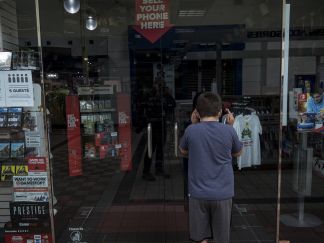
Fears of a rapid, massive displacement of humans by robots haven’t yet been realized, but machines have been taking over human tasks for centuries, and the pandemic seems likely to accelerate this process.

Postmates began developing autonomous delivery robots in 2017, and now fleet operators have transitioned to operating them from home.
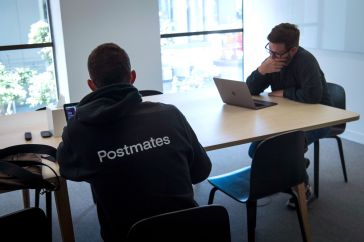
Joblessness now stands at the most since the Great Depression era of the 1930s after the coronavirus pandemic brought the U.S. economy to a standstill.
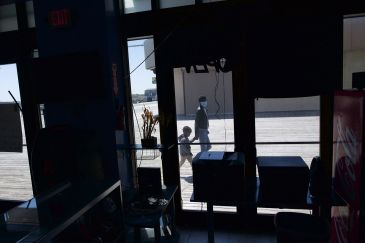
The Labor Department’s figures are projected to show a jobless rate surging to 16%.
With governments bracing for economic contractions and joblessness not seen since the Great Depression, more of them are doling out part of their $8 trillion-plus stimulus to prop up the gig economy.

The International Labour Organization expects 195 million full-time job losses globally, and forecasts a “significant rise” in underemployment.

The five-week total for unemployment claims reached 26.5 million in the steepest downturn for the U.S. labor market since the Great Depression.