Another ‘Great Retirement’ wave hits the US
Employers may be tipping others into retirement by pressuring workers to spend more time in the office.

Follow Us
© 2026 Arizent. All rights reserved.

Employers may be tipping others into retirement by pressuring workers to spend more time in the office.
Despite the healthy pickup in job growth, it's taking longer for unemployed Americans to find work.

Healthcare, finance and construction industries have seen strong employment acceleration.
Employers continued to hire at a solid pace last month and the jobless rate unexpectedly returned to a historic low, indicating a sturdy labor market that could lead to another outsize interest-rate hike.
Worker feedback and program data helps company leaders make the best benefits decisions for employees.

Momentum may be tested by a new COVID-19 strain that could keep potential workers sidelined for longer.

Economists and companies expected a wave of interest from workers as the financial lifeline was pulled away, hoping it would provide the incentive to get back into the workplace.
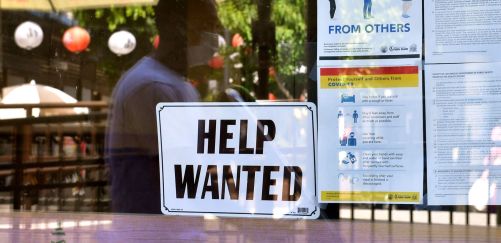
PRO Unlimited’s quarterly data reveals the locales with top job opportunities.

The country is still recovering from the sudden loss of 22 million jobs.

Unlike past recessions, millions abruptly left the workforce as soon as the pandemic began and are still not seeking employment.

The drive for $15 has succeeded simply by resetting Americans’ idea of what a reasonable wage should be.

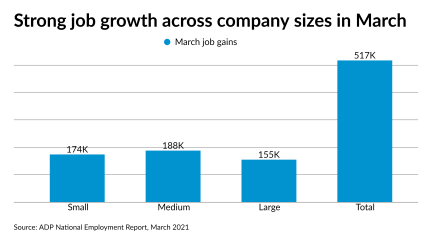
The March jobs report leaves little doubt that the U.S. recovery is gaining even more momentum.
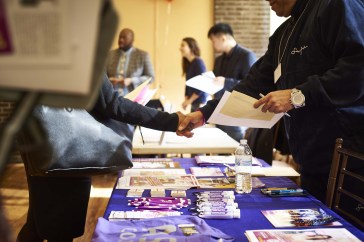
The economy continued to rebound this year despite the ongoing COVID-19 pandemic, payroll giant ADP reported Wednesday.

Small businesses are recording a significant jump in job growth this month, while weekly and hourly earnings grew as well, according to payroll giant Paychex.
The data show a jobs recession that was hardest on women without college degrees and Black and Hispanic women, and was pretty tough on men without college degrees and Hispanic men too.
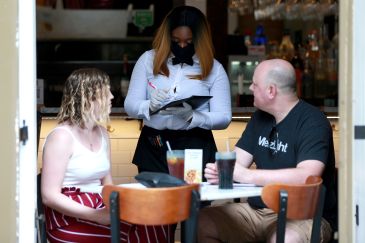
Economists now expect hiring to recover along with increased immunizations.
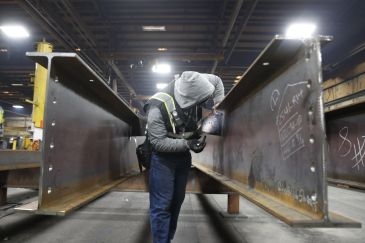
In the coming months, as more Americans get inoculated and virus cases fall, economic activity is poised to resume and job cuts may decline further.
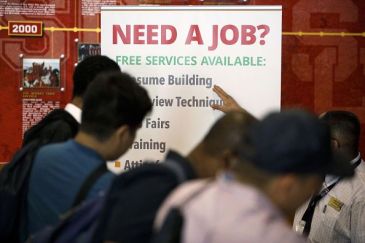
Less jobs were lost to the pandemic than expected, but unemployment levels still haven't recovered.

Experts see powerful employment gains over the next three years that evade the curse of past recessions. If they’re right, millions of Americans will leap back into the workforce as soon as vaccines against the coronavirus roll out.

Prolonged unemployment harms physical and mental well-being, traps workers in poverty and increases family stress, according to studies.