The politics of rising ACA premiums
Rising Affordable Care Act premiums are a hot election topic, but political fallout from the law will be felt long after the election.
Follow Us
© 2026 Arizent. All rights reserved.

Rising Affordable Care Act premiums are a hot election topic, but political fallout from the law will be felt long after the election.
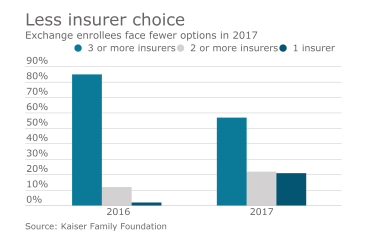
Individuals signing up for plans this year are facing not only rising premiums, but also fewer options to choose from after several big insurers pulled out from some of the markets created under the Affordable Care Act.

With the first presidential debate taking place tonight, now’s a good time to look at where the presidential candidates stand on the Affordable Care Act, prescription drug costs, Medicare and more.

President meets with top executives from more than a dozen health insurers, to re-affirm his support for the Affordable Care Act after several companies retreated from the law’s government-run insurance markets.

Let’s consider the impact of the approaching moratorium, the ways employers can use it to their financial advantage and what might happen when it ends in 2018.

In a “system built by the rulemakers,” Mark Gaunya, principal at Borislow Insurances, discusses how to stem rising costs through provider and payer competition.

The system in America today is not sustainable; we can do better through improved transparency and quality, says adviser Mark Gaunya, who provides 10 operating principles.
The system in America today is not sustainable; we can do better through improved transparency and quality, says adviser Mark Gaunya, who provides 10 operating principles.
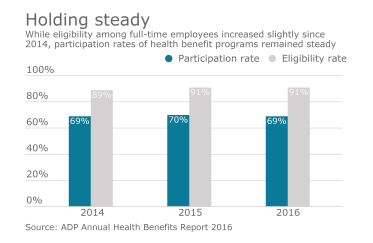
Even as eligibility rates rise, limited workforce participation and smaller premium increases have kept the employer health benefits landscape stable.
The first ACA reporting season was traumatic for many employers. But the hard-learned lessons should lead to a much better process for the 2016 plan year.

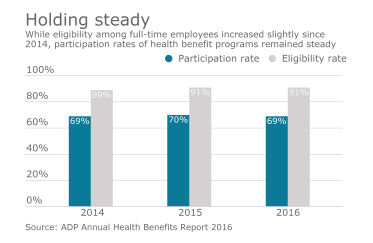
Even as eligibility rates rise, limited workforce participation and smaller premium increases have kept the employer health benefits landscape stable.
The first ACA reporting season was traumatic for many employers. But the hard-learned lessons should lead to a much better process for the 2016 plan year.
The National Business Group on Health embraces a proposal to eliminate the excise tax, but is wary of efforts to cap the employee income exclusion for health benefits.
Employers need to understand when the Health Insurance Portability and Accountability Act applies and ensure that app developers they do business with are compliant, says lawyer Stefano Quintini.


Most organizations have come to terms with the Affordable Care Act, but repeal of the Cadillac tax still appears on many wish lists.

DOL outlines companies’ obligation under the statute, but still leaves many issues unresolved, says attorney Jeff Nowak.

Even though most employers have come to terms with the Affordable Care Act, there are still changes they would like to see, says Willis Towers Watson’s John Barkett, including a repeal of the Cadillac tax.
CIAB argues that a Colorado movement to establish a state-run health insurance program is “ridiculous” and would decimate private group healthcare.


Republican lawmakers aren’t giving up yet in their fight to kill stricter rules for brokers that have been championed by President Obama.
Affordable Care Act’s loopholes and inefficiencies are creating losses among carriers and they, in turn, are pressing advisers, says Sally Pipes, president and CEO of the Pacific Research Institute.