Benefits Think Healthcare is a problem. This employer has a solution
Asking difficult questions, pushing for transparency, and challenging how prices are set have helped a healthcare provider offer better coverage to its employees.
Follow Us
© 2026 Arizent. All rights reserved.

Asking difficult questions, pushing for transparency, and challenging how prices are set have helped a healthcare provider offer better coverage to its employees.
Collaboration between employers, brokers and third-party administrators will be essential to developing customized, cost-effective and employee-friendly solutions.


Healthcare affordability has been the organizing principle of benefits strategy for decades — and that work matters. But there's a gap no negotiated rate can close: 38% of insured employees delayed or skipped care last year because they couldn't pay when it was needed. Not because they lacked coverage. Because they couldn't pay.
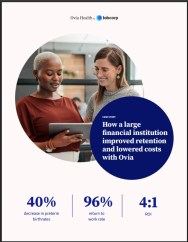
See how one employer took a more connected approach to supporting employees and improved retention, pregnancy outcomes, and healthcare costs along the way.
Whether you're shaping benefits, guiding clinical strategy, or advising employers, this session will give you the data and the framework to put cancer back on the executive radar.
Healthcare costs are squeezing employer margins, and small and midsize employers aren't waiting for another renewal to act. They're rethinking how they fund healthcare, manage costs, and partner with advisors.
With this alternative model, benefit professionals have the potential to not only stabilize employee health benefit costs but actually return dividends.

Experts suggest locking in this emerging alternative to traditional health insurance coverage to help stabilize soaring health benefit costs.

Brokers are urged to read the fine print on stop-loss contracts to ensure adequate coverage is in place, and have clients pool risk whenever necessary.

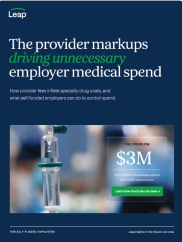
A guide for benefits leaders at self-funded employers on controlling specialty infusion spend without disrupting care.
Advisers say the health insurance market could stay hardened in 2027 and beyond amid greater involvement in benefit design strategies from executive teams.

Employers are feeling pressured to cover weight-loss drugs without breaking the bank, and considering an alternative to traditional health insurance.

Benefit advisers unpack their latest client experiences helping employers respond to a hardening group health insurance market and employee education challenges.
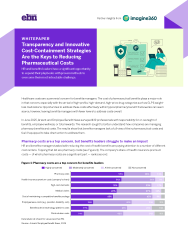
New drug pricing proposals could reshape employer pharmacy strategy, as benefit managers struggle to navigate rising prescription costs.


Sidecar Health's approach removes barriers associated with provider network restrictions, prior authorization, formularies and step care.

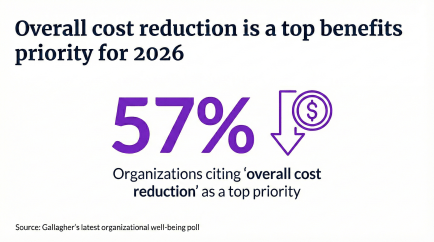
As health plan costs continue to climb, "doing nothing" has become the most expensive strategy of all, says this panel of benefit experts.

A one-size-fits all health insurance approach often fails to meet the needs of a modern and diverse workforce. This white paper outlines how ICHRAs foster budget sustainability and employee choice.

Benefit leaders found innovative and cost-effective ways to deal with increasing strain on their healthcare budgets.
With about 7 million additional Americans expected to sign up for HSAs, these vehicles can help finance costly GLP-1s.

HR and benefits leaders have a significant opportunity to expand their playbooks with proven methods to overcome their most intractable challenge.