Congress’ push to rein in drug costs will impact benefit strategies
New drug pricing proposals could reshape employer pharmacy strategy, as benefit managers struggle to navigate rising prescription costs.


Follow Us
© 2026 Arizent. All rights reserved.

New drug pricing proposals could reshape employer pharmacy strategy, as benefit managers struggle to navigate rising prescription costs.
New research from EBN reveals how GLP-1s and menopause benefits are changing employee benefit strategies—and what employers must plan for next.
Pharmacy cost management is one of the toughest challenges employers will face in 2026, according to new data from Employee Benefit News.

Benefit leaders found innovative and cost-effective ways to deal with increasing strain on their healthcare budgets.
The companies have been looking for ways to gain an edge through deals with the firms that control drug benefits.
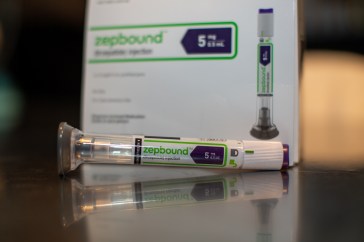
The U.S. agreed to exempt U.K. pharmaceutical products from tariffs.

The plan to eventually phase out rebates portends a seismic shift in the flow of billions of dollars among drugmakers, insurers and employers.

Key to cost containment lies in partnering with transparent PBMs, a more thoughtful approach to prescribing GLP-1s and encouraging the uptake of biosimilars.


It's unequivocally clear that pharmacy costs are a core concern for employers and HR leaders today, however they're uncertain how to overcome it. According to EBN's 2025 State of Pharmacy Management research, less than a quarter of benefits leaders strongly agree that they fully understand how prescriptions are paid for. HR leaders feel they have very little influence over pharmacy costs, and this lack of awareness is not helping their level of concern.
Without the right contractual terms in place, hidden costs may mar pooled purchasing power at the expense of employer clients.

The incentives to encourage non-generic brands will encourage pharmacies to keep them in stock and increase their profits, says UnitedHealth's CEO.

President Biden's Inflation Reduction Act is expected to save taxpayers an estimated $237 billion over the next decade.
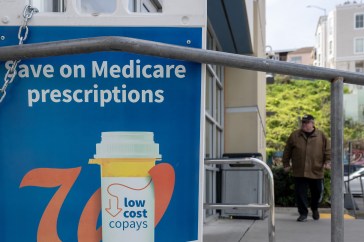
The co-founder of telemedicine platform Hey Jane explains why employers need to offer resources and benefits that address abortion care and support.


Definitive steps can be taken to strategically optimize pharmacy benefits in a way that balances cost with quality care.

Drug shortages have soared to a five-year peak as low profit margins discourage investment in generic manufacturing.

Pairing coverage with the highest quality behavior change support will put employers ahead of the curve

In a joint open letter, executives said the ruling undermined the U.S. regulators authority.
The pharmacy chains were sued for allegedly failing to create legally mandated monitoring systems to detect illegitimate opioid prescriptions being filled.

Pharmacy benefit managers, or PBMs, suspended in-person audits because of COVID last year, shifting to virtual audits, allowing benefit managers to review — and potentially deny — more pharmacy claims than ever before.

For most employers, just 1% of their members are driving 40% or more of pharmacy benefits costs.