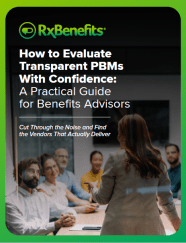
Report How to evaluate transparent PBMs with confidence: A guide for benefits advisors
Clean pricing, broken results. Stop trusting the RFP and start evaluating what actually delivers for your clients.
Follow Us
© 2026 Arizent. All rights reserved.

Clean pricing, broken results. Stop trusting the RFP and start evaluating what actually delivers for your clients.
A look at traditional PBMs and pass-through models, potential savings areas, developments and partnering with the right consultant.
If you advise self-funded employers, this report equips you to guide clients in the fast-changing 2026 PBM landscape.

New drug pricing proposals could reshape employer pharmacy strategy, as benefit managers struggle to navigate rising prescription costs.


The plan to eventually phase out rebates portends a seismic shift in the flow of billions of dollars among drugmakers, insurers and employers.
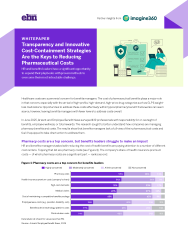
HR and benefits leaders have a significant opportunity to expand their playbooks with proven methods to overcome their most intractable challenge.
Key to cost containment lies in partnering with transparent PBMs, a more thoughtful approach to prescribing GLP-1s and encouraging the uptake of biosimilars.


Without the right contractual terms in place, hidden costs may mar pooled purchasing power at the expense of employer clients.

Rice University's executive director of HR operations ditched a traditional model for one that's providing lower costs and better customer service.


Amid high-profile, class-action lawsuits over inflated prescription drug prices, advisers are urged to cement a fiduciary process for employer clients.

Definitive steps can be taken to strategically optimize pharmacy benefits in a way that balances cost with quality care.

Examine adaptability and foresight to understand the intricacies of an evolving pharmaceutical market.
Bipartisan support is building to make pharmacy benefit managers more transparent and accountable, which would benefit millions of working Americans.
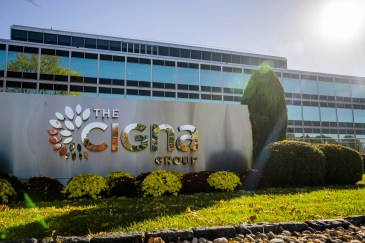
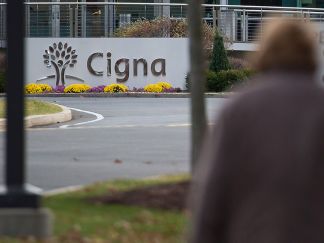
The insurance giant's pharmacy-benefit management unit will market a "fully transparent" option charging a flat monthly fee for each member.
Karthik Ganesh, CEO of EmpiRx Health, explains why his company stands by a value-based model when working with employers.


It starts with rejecting subjective concepts and demanding objective pricing metrics.

A team-based care model is extremely effective at improving clinical outcomes for high-risk patients with chronic conditions and lowering healthcare costs.


Here’s how healthcare company, Capital Rx, is bringing pharmacy benefit management solutions to consumers in the wake of rapidly increasing drug costs.

Dae Lee, pharmacist attorney for healthcare and life sciences law firm, Frier Levitt, reflects on the role PBMs have played in the healthcare industry.

Should employers increasingly consider cutting out the middle man in the prescription drug procurement pipeline?