What employers are getting wrong about open enrollment
Open enrollment doesn’t have to overwhelm employees. Collective Health’s Jacque Ludwig shares how employers can drive engagement and make benefits easier to navigate.

Follow Us
© 2026 Arizent. All rights reserved.

Open enrollment doesn’t have to overwhelm employees. Collective Health’s Jacque Ludwig shares how employers can drive engagement and make benefits easier to navigate.
MetLife’s president of U.S. business shares why improving employees’ benefits literacy results in them making smarter choices for their health and financial wellness.

Caregiving should be viewed as a measurable workforce issue directly tied to productivity, retention, employee wellbeing and long-term workforce stability.

As artificial intelligence continues to move into the mainstream, opportunities abound for eliminating confusion, personalizing content and improving outcomes.


Rising healthcare costs are forcing employers to reevaluate which benefits are worth the cost. One Pass CEO Tom Wiffler says engagement can reveal which programs deliver real value.

Childcare issues are putting pressure on working parents and employers alike. Here's what benefit leaders should know about costs, tax credits and care.

Employers face another steep rise in healthcare expenses in 2027, prompting a closer look at GLP-1 coverage, pharmacy spending and high-cost conditions.

In addition to finding success with a self-funded model, an in-house program gives Fello's employees access to cost-free primary and urgent care.

Public sectors are approaching chronic disease support out of necessity, leading to benefits that build a stronger workforce.

Collaboration between employers, brokers and third-party administrators will be essential to developing customized, cost-effective and employee-friendly solutions.

As costs to treat serious conditions surge, employers must plan how to absorb budget-altering expenses ahead of time.
Bringing a procurement partner into the benefits planning process can offer greater insight and negotiation power, helping to reduce overall costs.

Gap coverage, supplemental benefits and options for various types of workers can help avoid cost shifting and still provide support.
As GLP-1 spending climbs, employers are asking whether the drugs deliver enough value. Better data could help them measure the payoff more accurately.

Kelley Daviss brought in Twin Health and heard great things from employees — then an unexpected diagnosis led her to experience the metabolic health platform's impact herself.
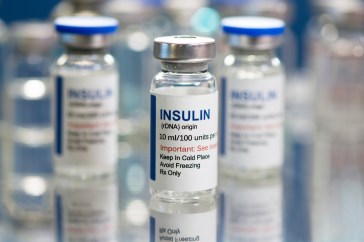
The legislation calls on Congress to lower prescription drug costs, shift subsidies directly to consumers, and enforce strict price transparency.


Employers are under pressure to keep benefits competitive while controlling costs, driving new scrutiny of PBMs, hospital prices and GLP-1 coverage for 2027.

Helping employees manage symptoms will enhance productivity, engagement and retention – protecting institutional knowledge and strengthening business outcomes.
Multiple experts weigh in on the challenges and considerations benefit leaders need to keep in mind as they make decisions about medication coverage.

Organizers should ask, "Where are patients getting stuck, where are teams overloaded, and where is the current process failing to scale?"