Benefits Think New class of female advisers still confronting old challenge: cracking the glass ceiling
The Top Women in Benefit Advising class of 2020 proffer their best advice to counter both conscious and unconscious bias in the workplace.
Most job searchers already know: the more they’ve been paid in the past, the more they can demand in the future. This method can create a disconnect between pay and productivity.
Marilyn Booker seeks a judgment that bars the bank from discriminating against her and other Black women and asks for unspecified damages.
What’s the racial makeup in your board of directors? Who gets promoted? The social display of empathy is a good first step, but it’s time for corporations to do more.
The disparity raises the prospect that women’s gains in the labor market and efforts to reduce the gender pay gap are being undermined by the lockdown.
Before the pandemic struck, women already faced a century-long wait to reach parity with men, a daunting prospect that now risks becoming further out of reach if the economic disparities unleashed by the crisis are ignored.
Experts suggest electronic paper trails and consistent HR policies to stay out of court.
“New Jersey represents the last vestiges of the old-boy machine politics," says former state Sen. Barbara Buono.
“You need laws and structures that lead the way to gender equality,” says Finnish Prime Minister Sanna Marin at the World Economic Forum.
IBM called for rules aimed at eliminating bias in artificial intelligence to ease concerns that the technology relies on data that bakes in past discriminatory practices and could harm women, minorities, the disabled, older Americans and others.
With its appointment of Martine Lellis, one of the largest and most-acquisitive RIAs ups its leadership ranks to almost 40% women.
On average, the company’s female employees earn 29% less than the men, a reflection of how few women occupy the most lucrative jobs.
Workplaces should focus less on employees’ attitudes and more on organizational policies and systems to prevent bias.
Technology is a major factor in why women are still far from reaching equal pay in the workplace.
Some states are enacting laws that may help equalize pay, but it may not be enough.
The court recently heard two cases which could help to reshape federal discrimination law.
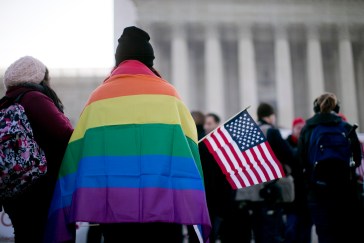
The court is set to consider whether federal law gives LGBTQ people any protection against employment discrimination.
Opponents say the measure wouldn’t impose new substantial protections and would instead be a boon for trial lawyers while adding burdens to hiring.
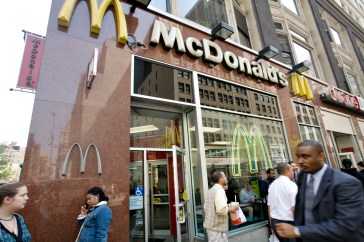
The fast food chain is now using augmented writing platform Textio in an effort to help minimize gender bias in job postings.
When tech tools rely on data that is inaccurate or biased, they can inadvertently discriminate against women or minorities.