Uncategorized

4 reasons unhealthy eating can be addictive

Health experts agree: exercise and physical activity can only get you so far. To a large extent, you are what you eat. So, with proper diet an integral part of any wellness program, why can it be so hard to eat healthy? One in three American adults and 20% of American children are now considered obese, says Pulitzer Prize-winning New York Times journalist Michael Moss. Additionally, Moss says, 24 million people in the U.S. suffer from type 2 diabetes with another 79 million having pre-diabetes. [Images: Shutterstock]

Choose TDF first, then recordkeeper

Choosing the right target date fund is critically important for plan sponsors and yet it’s a decision that gets made by default far too often, according to Mark Davis, senior vice president and financial adviser with CAPTRUST Financial Advisors. Davis made his remarks as part of a panel discussion at the ASPPA 401(k) Summit, being held this week in Las Vegas.

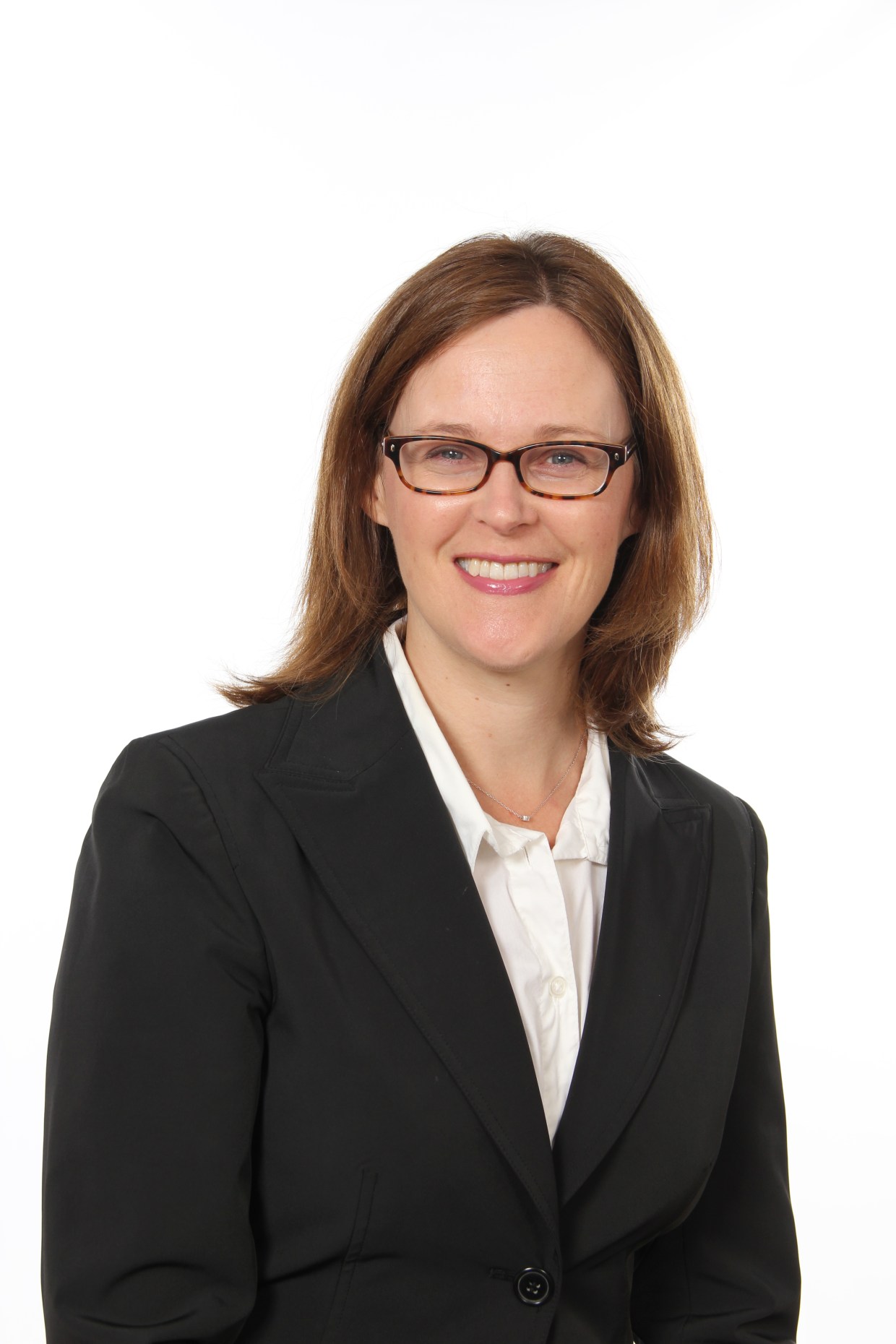
Andrea Davis
By Andrea Davis
Editor-in-Chief
Employee Benefit News

3 Things You Need to Know

Start your week with three important facts, changes or conversations from recent events. Want to keep on top of developments in benefits, health care, finance and employment? Then these are Things You Need to Know.

Carriers are from Mars, employers from Venus: 4 responses to get the health information you need

If you want to lead your wellness program to success, prepare to charm and disarm your health plan administrator. To get useful and useable data may take some perseverance. It’s easy for them to throw around technical terms and intimidate you into surrender. Here are four scenarios offering common responses from plans and how to counter them. (Compiled by Linda K. Riddell, frequent EBN guest blogger and principal at Health Economy, LLC.) [Images: Shutterstock]

How stressed is your city?

Regardless of where in the country they live, Americans have one thing in common when it comes to stress – they consistently report experiencing more stress than they believe to be healthy. They also report work as one of the top stressors in their lives. Here’s how stress levels vary in major cities across the country, according to the American Psychological Association’s Stress in America report. [Photos: Thinkstock]

3 Things You Need to Know

This new feature will start your week with three important facts, changes or conversations from recent events. Want to keep on top of developments in benefits, health care, finance and employment? Then these are Things You Need to Know.

8 strategies to maximize DC retirement plans

Employers have started to “nudge” employees towards better savings and investment in their defined contribution (DC) plans, but many employees still aren't saving enough. Using automatic defaults in contributions and investments helps, but may not produce adequate retirement income for most employees. Even if an employee accumulates sufficient assets, there’s still the problem of managing those assets during their retirement years. To help employees make the most of their retirement savings plan Alan Vorchheimer, a principal at Buck Consultants, offers 8 strategies for DC retirement plan sponsors. [Images: Shutterstock]

12 questions to ask an EAP provider

When one of your employees calls your employee assistance program provider for help, you want to feel confident that he or she will be treated well. Colleen Grady, senior consultant with Longfellow Benefits, a Boston-based employee benefits consulting firm, suggests employers ask the following questions of prospective EAPs.

Benefits Think Moving beyond baby steps with wellness

Employers are beginning to face the hard truth that giving employees access to wellness support has done little to change the overall health of their employees. To reach that goal, they have to move beyond providing information to a much more effective level of wellness support: Employee health risk management.

Slices of the Sandwich Generation

According to a recent study from the Pew Research Center, nearly half of adults in their 40s and 50s have a living parent and are either raising a young child or financially supporting a grown one, aged 18 or older. Fifteen percent of middle-aged Americans are providing financial support to both an aging parent and a child. "While the share of middle-aged adults living in the so-called Sandwich Generation has increased only marginally in recent years, the financial burdens associated with caring for multiple generations of family members are mounting," the Pew researchers say. [Images: Thinkstock]

Sign Up Form

Login Modal Form