New benefits and incentives keeping employees happy and engaged
Our top stories from February explore how employers are reacting to the ups and downs of the employee experience during the pandemic.


Follow Us
© 2026 Arizent. All rights reserved.

Our top stories from February explore how employers are reacting to the ups and downs of the employee experience during the pandemic.
The advent of the Internet and other technology advances in recent years has made working from home — whether for themselves or corporations — much easier than in the 1980s when only 10% of Americans could pull that off.

Office rental prices across the country have been dropping precipitously, as fewer than 20% of office workers were back at their desks as of the end of last year.
Extended-stay discounts, the reopening of certain international borders, and better awareness on the precautions to take when traveling have further enabled a second-wave exodus.

Employers need to evaluate their company culture and policies to maintain employee well-being.

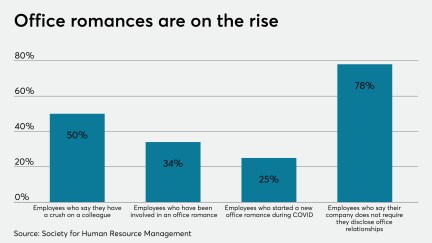
Office romance is on the rise and employees are becoming more brazen when it comes to expensing personal items during COVID-19.

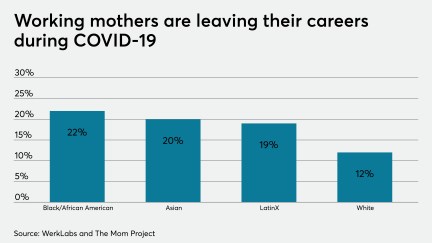
More than 2.1 million women have left the workforce completely since February 2020, according to the Bureau of Labor Statistics.
Employees are still asking their colleagues out on dates despite the virtual office environment.

Remote work is increasing energy consumption in U.S. homes, but employees have the opportunity to switch to clean energy.


Employers have big plans to recruit more workers in 2021. But deciding where they’ll work is the most recent workplace debate.
Providing employees with options for both remote and in-person work arrangements will shape the future workplace.
Employees should consider moving to one of these cities for cheaper cost of living and great internet service.

“The trick here is not to rush,” AmEx CEO Stephen Squeri said. “I’m not rushing people back into the office."
Certain states are taxing nonresidents who used to work in the state but now do their jobs from home during the COVID-19 pandemic.

With employees embracing remote work for the long-term, organizations are launching new benefits and programs to address the specific needs of their workforce.

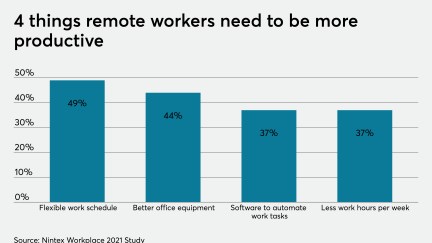
Employers are recognizing that a hybrid work model will keep employees happy and productive during the pandemic and beyond.
While there have been many advancements made towards ending the pandemic, morale should remain a top priority for HR professionals and team leaders alike.

The pandemic has probably boosted remote working permanently, according to Deloitte’s annual Readiness Report.

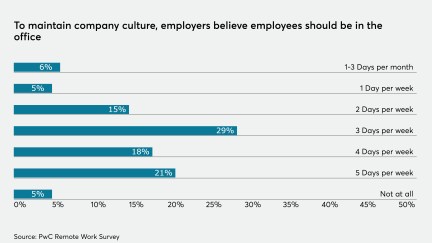
Research from PwC shows there is a disconnect between employers and employees when it comes to what the return to work may look like post-pandemic.
The more organizations adapt to a remote workforce and introduce new technologies to help employees stay connected, the more opportunities are created for growth, development and success moving forward.