2016’s most ridiculous late-to-work excuses
While traffic is the most common cause of tardiness among employees, followed by oversleeping and bad weather, those are just the tip of the iceberg when it comes to the bizarre late excuses.
Collaboration between the Mayo Clinic and consulting firm Delos in research effort to make working spaces better for employees.
Employers often overlook the wellness implications of their indoor office spaces but the Well Living Lab, a collaboration between the Mayo Clinic and consulting firm Delos, is hoping to change that.
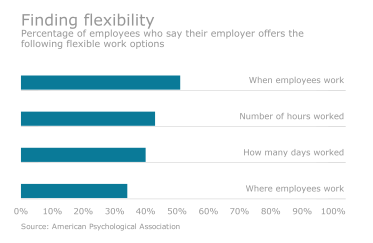
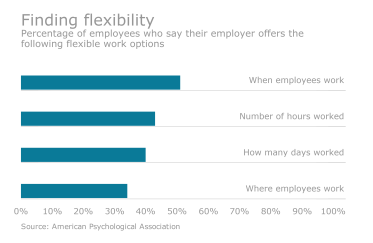
It’s tough to keep good people, but EBRI CEO Harry Conaway, says employers willing to let staff work where and when they want have a better shot at maintaining all-stars.
EBRI CEO Harry Conaway, speaking this week at the NAPA 401(k) Summit in Nashville, says employers need to embrace the growing benefit trend to help keep and attract employees.
Build-A-Bear’s CEO Sharon Price John addresses the 2016 Great Place to Work conference in San Diego, speaking on the importance of trust in the workplace.
Healthcare reform complexities require employers to work closely with brokers to understand how regulations relate to their company.
While benchmarking 401(k) plan investments and fees is important, new research suggests employers and their advisers aren’t doing enough to measure workers’ retirement readiness.
Employers need to work closely with their insurance advisers to understand the big picture of healthcare reform and the how it relates to their specific company.
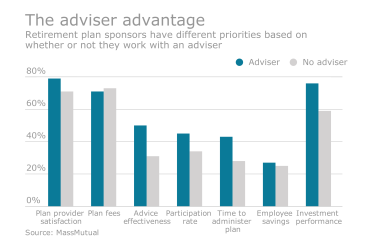
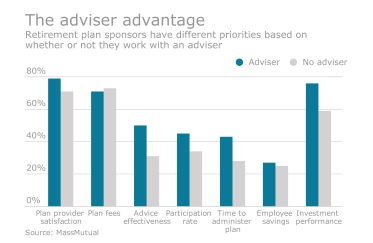
Regardless of what the final Department of Labor regulations say about fiduciary responsibility, sponsors should not hire or continue to work with an adviser who will not sign on to the plan as a fiduciary.
While benchmarking 401(k) plan investments and fees is important, new research suggests employers and their advisers aren’t doing enough to measure workers’ retirement readiness.
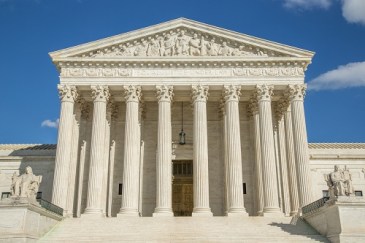
The U.S. Supreme Court deadlocked in one of its highest profile cases, issuing a 4-4 ruling that lets more than 20 states continue to require public-sector workers to help fund the unions that represent them.
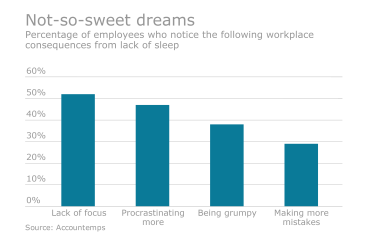
Tired workers are rampant in the workplace, and companies need to wake up to reality or face continued loss of productivity.