Millennials don’t plan on retiring at 65 — here’s their new strategy
More than half of millennials are working toward financial independence, not a traditional exit from the workplace.

Follow Us
© 2026 Arizent. All rights reserved.

More than half of millennials are working toward financial independence, not a traditional exit from the workplace.
The case for better aligning default options with income needs is undeniable. But how can we best implement these choices?
As employers begin building their back-to-the-office plans, virtual education offerings are here to stay.


Many employees, particularly women, are likely to become unexpected caregivers at some point. Companies should do more to ease their burden, says a top retirement and wealth specialist at Bank of America Merrill Lynch.
While labor groups demanded cost of living increases amid the pandemic, HR newcomer Talika Johnson convinced them contributions toward retirement savings would be of greater benefit to employees.

D&I initiatives are no longer nice-to-have, but rather vital for organizations to thrive as employees increasingly demand them.
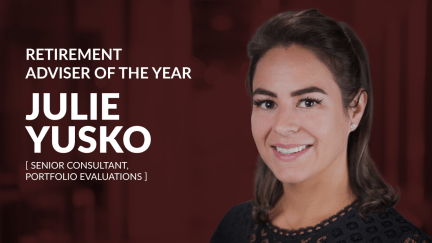
“I’m on track in saving for retirement because from a young age I learned these things,” says Adviser of the Year winner Julie Yusko. “I hope my experience can help others be in the best position so that we have fewer people who are approaching retirement age and wondering how they're ever going to retire.”
The COVID-19 crisis is creating greater challenges for certain employee demographics, impacting their ability to save for retirement.
Defined contribution plan participants will seriously diminish their retirement savings if they prematurely cash out all or part of their 401(k) savings account balances.

Early retirement has been a key driver in the decline in labor-force participation due to COVID-19.
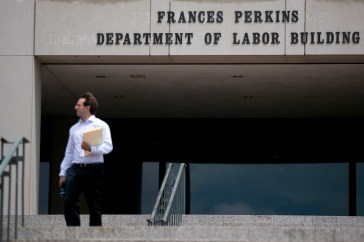
The Department of Labor issued a new rule that allows companies to distribute retirement benefit information electronically.

Many employees are not in a financial position to deal with an emergency medical crisis like the current pandemic and it’s hurting their retirement.
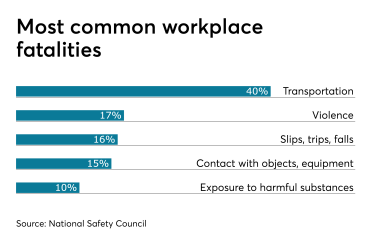
Those 55 and older were more likely than younger workers to die of lingering injuries days, weeks, months or even years after a workplace incident.
Making the transition into retirement requires self-reflection and preparation ahead of time.
Figuring out ways to keep older workers engaged and help them overcome the prejudices that prevent them from getting hired is a task often neglected by policymakers

Within 10 years, millions of baby boomers will be facing financial and health-related challenges in retirement.
Deciding against auto-enrolling employees in retirement plans is a big miss benefit managers keep making.

Deciding against auto-enrolling employees in retirement plans is a big miss benefit managers keep making.
Prudential offers solutions for employees struggling to reach their goals.
What employers should consider when tapping a broker to help employees navigate retirement plan selection.