“As the advisory field becomes increasingly crowded, perhaps the biggest problem is being seen in the first place.”
- Have a professionally designed website. Your website is the base of your digital narrowcasting platform, and if you want to look like a credible professional, it needs to be professionally designed. The best adviser websites not only include the structural essentials (e.g., proper navigation, a mobile-friendly responsive design, etc.) but also visually convey your professionalism, featuring a clean, modern design with appealing graphics and fonts. Just as you wouldn’t build your own office space by hand, you shouldn’t create your website yourself, nor should you just use a pre-packaged template. For most of your prospective clients, your website will be their first impression of you, so you need to make it a good one. Avoid buying your website from a company that retains ownership of its theme and template, and uses their own proprietary content management system. Doing this means that, if you want to make a change to your own website, you can only do so by getting their permission and having them do it for you. More important, using another company’s proprietary theme and template, or their entire content management system, means that, if you want to change where your house is located, your only option will be to walk away entirely and build a new one from scratch.
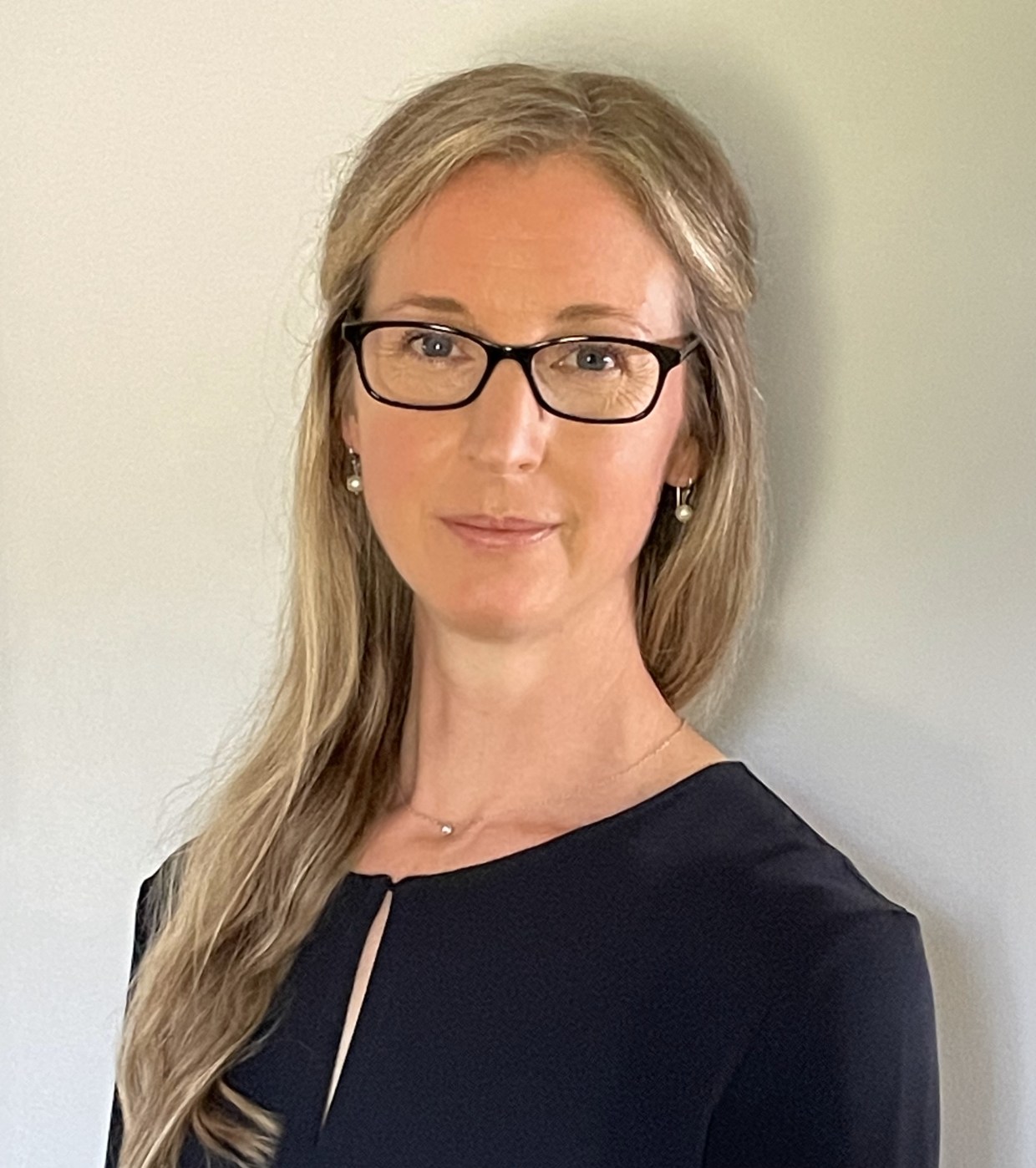
- Feature professional photos. People connect with other people by actually seeing them, which means that it’s essential for you to have your picture and pictures of your team members up on your website. And they should be real, professional headshot photos. Pictures of you from a family event with your significant other cropped out of the picture are not acceptable. Nor is having a photo so old and outdated that, if someone saw your photo and then met you, they wouldn’t recognize you.
- Have a compelling About [You] page. Because people connect with people first, most prospects who visit your website will go first to the About [You] page to learn more about who you are. Then, if they decide they like what you have to offer, they will move on to read more about what you do. So tell your story on your About page, written in the first person, as though you’re talking with your readers, in order to really connect with them. And be certain to note not just who you are, but also whom you’re trying to connect with, so that if the reader really is a good prospect, your message will resonate.
- Feature case studies. Your website should have examples of the ways you work with clients and how you helped solve a problem. Hyatt advocates that you include outright testimonials here, but unfortunately, as those aren’t permitted in the financial services industry, anonymous case study examples of what you did and the (non-investment-performance) results achieved are the best you can deliver here.
- Have a blog. The purpose of a blog is to demonstrate your knowledge and expertise, which helps show a prospective client what you do and why he/she should work with you, and also becomes a reason for that prospect to keep coming back to your website for more. A website without a blog is just a (mediocre) digital brochure, which doesn’t engage strangers who visit to become prospects or clients.