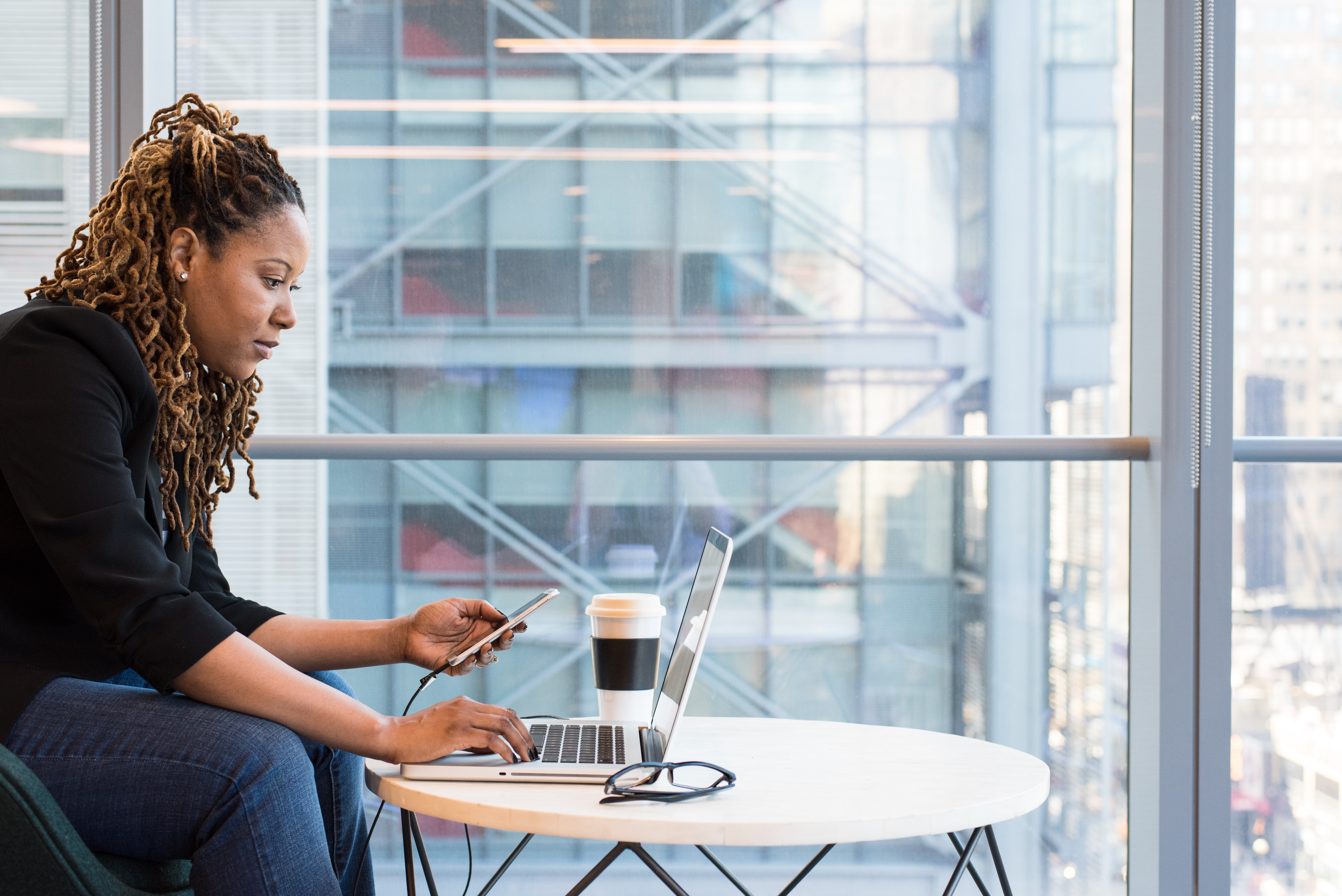
As more employers ask their workers to return to the office, this may also mean a return to slacks, button-ups and blouses. Yet, a traditional dress code could get in the way of a company’s DEI promises.
According to a study by beauty wellness company Univia, over 85% of employees believe physical appearance matters in the workplace, and nearly one-third of women recalled experiencing questionable treatment related to how they look in the workplace. While appearance-based bias stems from factors like height, weight, race and other cultural identifying features, as well as wardrobe, a dress code does not make it easier for diverse talent to feel comfortable in their own skin at work, says Ritu Bhasin, author of “The Authenticity Principal” and founder and CEO of Bhasin Consulting, a DEI consulting firm.