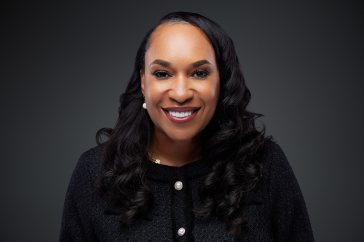
- Key Insight: Learn why Würk's CEO eliminated office mandates while other global companies enforce them.
- What's at Stake: Employers enforcing office mandates face losing staff who feel unsupported by corporate policies.
- Supporting Data: Nearly 79% of employees believe RTO mandates are designed to serve one specific group.
Source: Bullets generated by AI with editorial review
Many leaders believe that
Already, two-thirds of global companies
It's because of these statistics that Deborah Saneman, CEO of workforce management and HR technology company Würk, decided to forego
"We don't have any kind of official return to work mandate," Saneman said. "Instead, we gave employees the option to come into the office whenever they wanted but they don't take us up on it often."
Read more:
Preserving hybrid and remote work has always been part of Saneman's leadership strategy. When she stepped in as Würk's CEO in 2023, Saneman said that one of her top priorities was striking the right balance
To accommodate the change, Saneman downsized their Denver office where the Würk is headquartered from 15,000 square feet to just over 600. Cutting costs where they could ensure that having a
In fact, Saneman's approach has allowed the business to grow revenue by nearly 50% while increasing headcount by less than 10%, demonstrating that productivity can improve without significant workforce expansion. Currently, there are still employees that go into the office up to three to four days a week, but according to Saneman they make up less than 5% of the company's staff.
"To me, the most important thing when trying to run an efficient organization is to have a culture of accountability," Saneman said. "I focus more on accountability and the results that they own than really physically where they're coming into an office."
Despite rejecting traditional RTO structures, Saneman shared the policy changes and culture shifts necessary to make sure her strategy is effective and her company runs smoothly.
How would you define your approach?
Part of being a results-focused organization is being very clear about our goals and objectives. We started with a three-year plan outlining where we wanted to be at the end of that period, then broke it down into 12 quarters. We monitor performance, conduct evaluations, and provide coaching every quarter, creating a high degree of transparency across the organization. If someone isn't performing, it's the supervisor's responsibility to coach them and help them get where they need to be. We also make sure everyone understands exactly what success looks like.
Read more:
We go beyond a traditional job description that simply says, "You're responsible for this, this and this." We take it a step further by defining what excellent service actually means. For a service-focused organization, that includes how calls are answered, how quickly they're acknowledged, response times, and the time it takes to resolve an issue. We're very specific about those expectations instead of relying on broad statements, and we do that for every role in the organization.
How does culture play into your strategy?
Our workplace culture and values system is called UPBEAT. It stands for united, present, bold, excellent, accountable and thoughtful. If you're demonstrating those values most of the time — five out of six of them every quarter — then you're fitting in with our culture and meeting expectations. Being present is one of our most important values. That means cameras on and being on time for meetings. Because we're spread across the United States, it also means being mindful of different time zones, from the East Coast to the West Coast, so everyone is present and accountable.
What has been the biggest benefit you've seen?
What it's led to is what we call "boomerangs."' We've had people leave for other organizations, whether for comparable pay or different opportunities, and then come back. Over the past three years, we've had seven employees return. They left on great terms, they were strong contributors and a great cultural fit, but they felt it was time to move on. When they came back, they told us they couldn't find the kind of culture we have here. They appreciated that everyone across the organization is held accountable, while still maintaining such a strong balance between work and life.
What advice would you give to leaders still figuring out how to address RTO?
The biggest piece of advice is to trust but verify. We've found that people perform better when we're very clear and transparent about our expectations. You have to show up, you have to be present, and you have to live our values, and if someone isn't demonstrating them, you have to provide feedback immediately. We don't let people slide for not having their cameras on or for not being available on Teams. People need to participate, they need to be engaged, and they need to be bold.
My advice is to set those expectations from the top. In every meeting I'm in, my camera is on, and I expect the same from our team. I also expect people to be focused and not distracted. Once you've established those expectations, you need to make sure you have the right controls in place to reinforce them.
What's in store for the future?
We still don't have any intention of requiring employees to come in, but we do have a couple plans in the works. We want to gather for leadership training because we have such great individual contributors, so we're always looking for different ways to do that. We've also implemented a mentor program for people who want to be mentored by someone else in the organization — so to give people insight and opportunity to interact with people they might not otherwise be interacting with. That's always the biggest thing for me as a leader — how we can continually make time spent in person, like through our regional meetups and annual celebratory events, a great experience and make sure people are getting value from them. That's something we will continually look at.