When the coronavirus outbreak turned into a COVID epidemic followed by lockdowns in many states, Congress stepped in to help by passing the Coronavirus Aid, Relief and Economic Security Act with broad support. Provisions first in the CARES Act (and now similarly included in the Consolidated Appropriations Act) directing payments to individuals, as well as those allowing the sponsors of 401(k) workplace retirement plans to temporarily increase loan and withdrawal limits, were widely covered at the time, but it is the rules permitting qualified individuals to delay their retirement loan payments that may generate the lasting impact for plan sponsors.
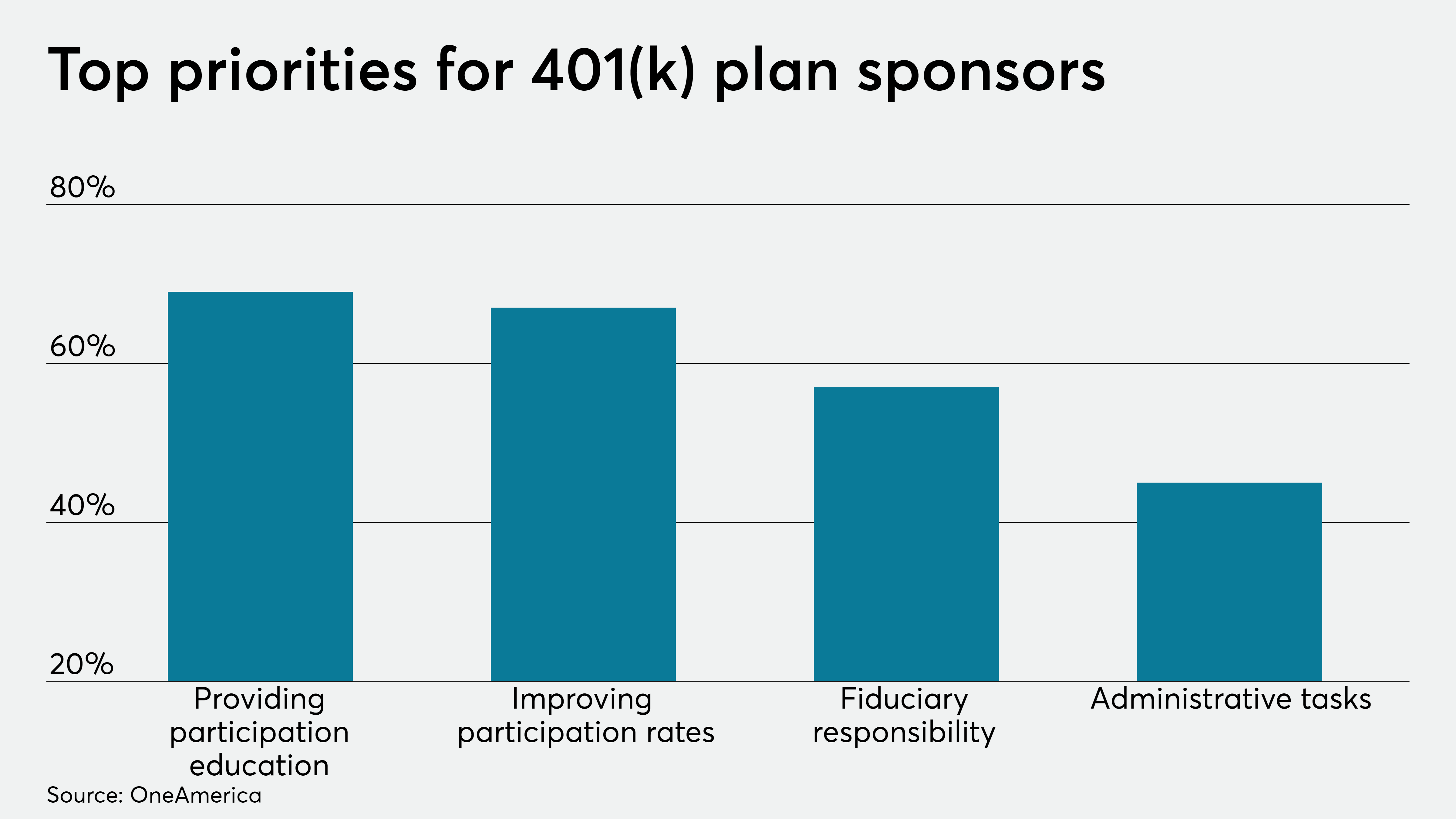
Plan sponsors have historically treated loans as an administrative program, outside the boundaries of fiduciary standards and review. The Department of Labor (DOL) takes the position, however, that a participant loan is a plan investment, and requires the same fiduciary oversight as any other investment in the plan. And loan administration, an area most plan sponsors spend little time on, just became more complex.