Pension plans see rebound in second quarter
A rise in equity and bond markets has fueled a partial bounce back in corporate pensions, according to data from Willis Towers Watson.

Follow Us
© 2026 Arizent. All rights reserved.

A rise in equity and bond markets has fueled a partial bounce back in corporate pensions, according to data from Willis Towers Watson.
For employees who have stocks vesting in the near term, consider carefully what your holistic financial plan indicates you should do.

Amid economic uncertainty of the pandemic and following the passage of the SECURE Act, momentum could be building for retirement income in workplace plans.
Early retirement has been a key driver in the decline in labor-force participation due to COVID-19.
Transparency around compensation is key in closing the gender pay gap, and thus the retirement income gap for the future, as it creates accountability for employers and trust with employees.

The pandemic is affecting one of the best perks of workplace retirement-savings plans: company matches to employee 401(k) contributions.
Years from now, terminated employees may discover they have less income in retirement due to an automatic rollover or automatic cash-out from a previous employer.

An early look at the impact from the economic shutdown was not as bad as feared, while industry insiders see opportunities for advisers and sponsors to talk up the value of retirement and emergency savings.
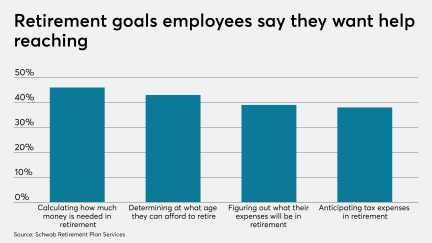
Americans’ retirement savings are increasingly threatened by disabilities that temporarily keep employees out of work by turning to hardship withdrawals from retirement plans.

The lack of seamless plan-to-plan asset portability prevents participants from easily moving and consolidating their 401(k) savings, leaving them open to the temptation to prematurely cash out their 401(k) accounts from prior employers’ plans.
Nearly 72% of Americans opted to stay the course and stick to their investment plan during the crisis, a survey found.


Those who feel they have inadequate savings may consider going back to work after the pandemic, even if it's on a part-time basis, according to an expert.

Many employees are not in a financial position to deal with an emergency medical crisis like the current pandemic and it’s hurting their retirement.
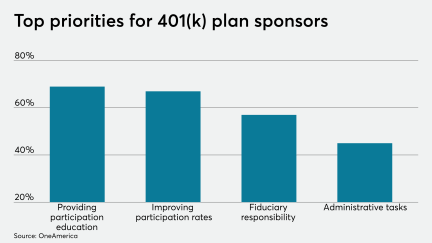
The majority of U.S. workers do not have enough savings to help them in the event of a medical emergency and often turn to their retirement funds for help.
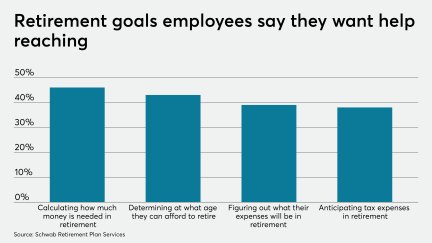
A retirement expert advises employers on helping workers save for the future during this pandemic.


The CARES Act waiver of penalties for premature 401(k) withdrawals may hurt the very American workers and families the Act is supposed to help.
Gauging any possible changes to their health insurance coverage is just one consideration they must address before they retire.
For starters, they can use the windfall to pay off debt, shore up their HSAs and build a cash reserve.
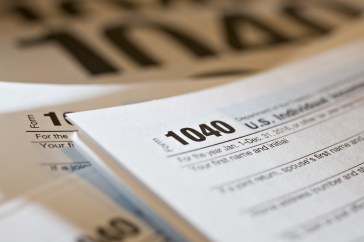
For one, clients will owe taxes still on the distributions, unless they recontribute the money into the account within three years.


Market volatility brought on by the coronavirus pandemic may present a great time to invest, as many stocks are being sold at bargain prices.