U.S. jobs rise less than forecast as economic rebound downshifts
Persistently high jobless claims, along with this week’s announcements of tens of thousands of layoffs, indicate widespread economic pain.

Follow Us
© 2026 Arizent. All rights reserved.

Persistently high jobless claims, along with this week’s announcements of tens of thousands of layoffs, indicate widespread economic pain.
Among the quarter of American employees still working at home because of the pandemic, a majority were in jobs such as computer science, legal and finance.

“This isn't just an issue for women. It's an issue for families, and it's an issue for the government and economies because it drives GDP,” says Jennifer Reynolds, a former investment banker and CEO of Toronto Finance International.


Chances of further employment and economic gains are diminishing without the widespread stimulus payments and small-business aid that have sustained incomes and spending.
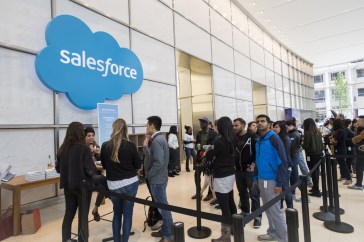
Sales and customer-support roles are among those being eliminated, and affects some workers who sell the company’s software aimed at financial-services firms, health and life-science companies and other cloud sales teams.
Some Silicon Valley startups, hungry for young talent, have presented an alternative to school: a remote internship, aimed specifically at young people looking for alternatives to a dismal school year.

Initial jobless claims in regular state programs fell by 249,000 to 1.19 million in the week ended Aug. 1, Labor Department data showed Thursday.

The White House and Democrats aim to strike a deal on virus-relief legislation by the end of the week 一 even though the two sides remain far apart on some key issues.
The renewed job losses in California might have a preliminary impact in the July U.S. jobs report due Friday 一 and an even bigger effect in August. Analysts are expecting a sharp slowing of job gains, with payrolls projected to have risen 1.5 million in July following 4.8 million in June.

The aviation industry has suffered more than most as the pandemic destroys ticket sales and strips companies of cash.

An avalanche of layoffs has been moving across the global corporate landscape, in almost every industry, as businesses assess their long-term strategy in a post-pandemic world. Prepping yourself to play head games is one strategy to try if you worry your job might be next.

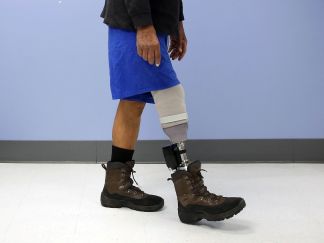
For America’s almost 30 million working-age disabled citizens, the large majority of job opportunities lie in food service, hospitality and retail. But when virus lockdowns brought those sectors to a standstill, workers with disabilities quickly saw their jobs vanish.
Applications for U.S. unemployment benefits posted the smallest weekly decline since March after coronavirus cases surged and reopenings paused or reversed across the South and West.
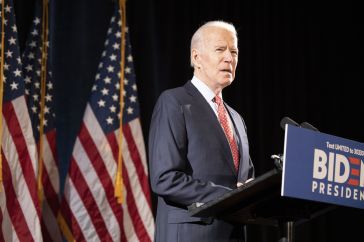
The former vice president’s plan is divided into four areas: a push to buy American and create manufacturing jobs; building infrastructure and clean energy; advancing racial equity; and modernizing the “caring” economy such as child-care and elder-care workers and domestic aides.
Initial jobless claims in regular state programs fell by 99,000 一 the most in a month 一 to 1.31 million in the week ended July 4, Labor Department data showed Thursday.

While many low-income employees in the service sector have been laid off or risk getting sick if they do go to work, the city’s high-paid tech workers have been mostly shielded.

“We must make these changes to succeed in the new retail environment,” Chief Executive Officer Pana Christou said in the statement.

After several years of increases, less than a third of millennials now anticipate changing jobs in the next two years. Young people cited the need for stability as one reason for their desire to stay put.

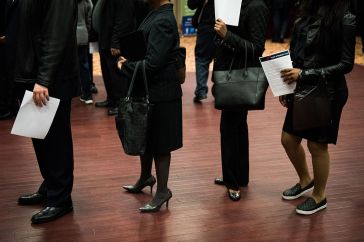
The hunt for a job this summer has become even more difficult for the nation’s youth because of the coronavirus pandemic.

Applications for U.S. unemployment benefits gradually eased last week despite a stream of business reopenings, underscoring the longer-term labor-market challenges caused by the coronavirus pandemic. Initial jobless claims for regular state programs totaled 1.54 million in the week ended June 6, down from 1.9 million in the prior week, Labor Department figures showed Thursday. Applications […]