Retirement accounts at ‘serious risk’ as COVID-19 spurs bankruptcies
To protect client nest eggs, advisors must know which savings vehicles are protected — and they’re not all created equal.


Follow Us
© 2026 Arizent. All rights reserved.

To protect client nest eggs, advisors must know which savings vehicles are protected — and they’re not all created equal.
As COVID-19 lockdown restrictions eased, New York, New Jersey and Pennsylvania businesses benefited.

The Internal Revenue Service projects that lower levels of employment in the U.S. could persist for years, showcasing the economic fallout of the coronavirus pandemic.


While it can be a great outlet for employees who want to help coworkers, or their favorite charities during the pandemic, PTO sharing can also present tax issues if not handled properly.


It won’t count as income to employees, but they also won’t be able to deduct it.

Early withdrawals from retirement accounts may be unavoidable in today’s economic climate. You can help mitigate the damage.

The majority of U.S. workers do not have enough savings to help them in the event of a medical emergency and often turn to their retirement funds for help.

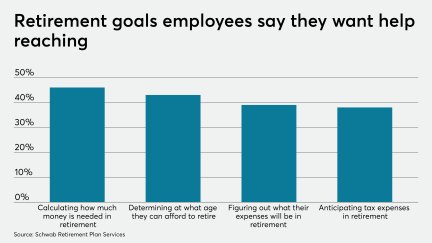
Gauging any possible changes to their health insurance coverage is just one consideration they must address before they retire.


For starters, they can use the windfall to pay off debt, shore up their HSAs and build a cash reserve.

For one, clients will owe taxes still on the distributions, unless they recontribute the money into the account within three years.


Market volatility brought on by the coronavirus pandemic may present a great time to invest, as many stocks are being sold at bargain prices.

Older clients are advised to take extra steps to protect their finances as the current crisis may leave them prone to making poor financial decisions.

Clients are advised to minimize spending and tap possible sources of cash and credit, including their tax refund.

While some retirees have seen a substantial increase in spending, many others are enjoying financial freedom.

To ensure their investments stretch as long as they live, clients are advised to develop a sustainable withdrawal plan and consider annuities.

To start, these clients are advised to start saving as early and contribute enough to their 401(k)s to qualify for their employer's matching contribution.

“It is really as important for plans to get people thinking about income rather than just accumulation,” an expert says.
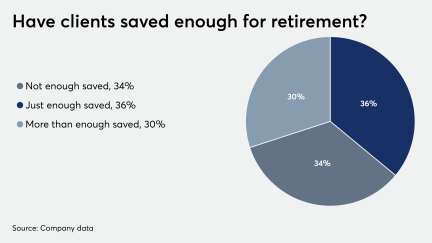
Older clients who have lost a job prior to retirement are advised to first consider filing for unemployment insurance and begin making revisions to their budget.

Aside from income taxes, retirees will also pay consumer taxes and may face a 3.8% Medicare surtax.
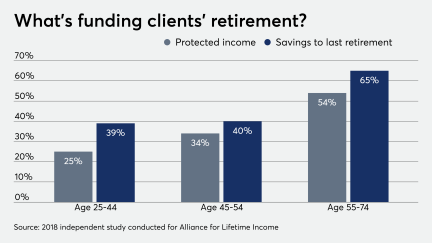
The spike in the number of older employees in the workplace reflects a trend over the past decade.