Claiming Social Security early could lead to poverty later in life
About 4.3 million of the 18 million workers in the 55-64 age bracket are likely to live in poverty once they reach 65, according to a study.


Follow Us
© 2026 Arizent. All rights reserved.

About 4.3 million of the 18 million workers in the 55-64 age bracket are likely to live in poverty once they reach 65, according to a study.
If retirees intend to rely heavily on Social Security for income, they should consider adjusting the timing of their bills to the date that they will receive their benefits.

The differences generally come down to investor eligibility and when taxes are paid, but that can have a significant impact.

Employees have to change their retirement goals and strategies over the years, starting off heavily in stock allocation while in their 30s.


Even if an employee does not use the triple-tax-advantage of these accounts, the benefits are still valuable.

An employee's long life could be the death of their retirement savings.


A Roth IRA is a good savings vehicle for workers who expect to move to a higher tax bracket in retirement.

People looking to retire but wanting to keep a part-time gig will benefit from a new law that gives a 20% deduction for “pass-through entities.”

Employees should look into filing for Social Security as soon as they retire to generate extra income and allow their spouse to delay and grow their retirement benefit.

Sometimes the strategy can eliminate a domino effect of other expensive tax problems down the road, Ed Slott writes.


Employees may expect a lower tax liability because of the new rates under the new tax law, especially those who were in the 25% bracket under the old law.
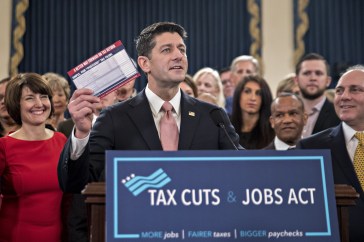
Employees should consider limiting their traditional 401(k) savings, as the plans provide taxable distributions that can boost their tax bill in retirement

Taxation of retirement plan distributions and Social Security benefits remains unchanged under the new tax law, but retirees are likely to see an increase in after-tax income.

Workers who are looking for new investments may want to invest in small-cap dividend payers,

As long as their earnings won't exceed the limit set by the Social Security Administration, they will not lose their benefits.
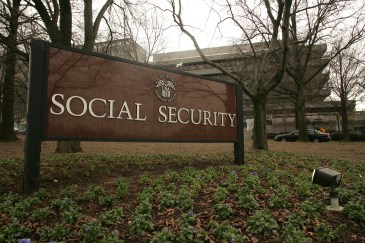
Retirees who consider taking withdrawals from their 401(k) and other similar plans should account for the tax impact before making a decision.

Workers have an option to stash their bonus in their 401(k), but doing it may not be a good idea.

Annual contribution limits for 401(k) plans have been raised to $18,500 this year, with catch-up contribution limits capped at $6,000.

Retirees will have to alter the way they file taxes under the new tax law, including making two years' worth of charitable donations every other year to exceed the standard deduction and itemize.

The law allows clients the ability to make tax-free withdrawals for elementary and secondary school expenses.