- Key insight: Learn how employer-subsidized GLP-1 program aims to reduce healthcare professionals' metabolic risk.
- Expert quote: Yaccarino warns declining caregiver health directly harms patient outcomes and organizational performance.
- Supporting data: eMed's program includes a $25 monthly employer fee per covered person; $99 monthly employee medication and clinical-support charge.
Source: Bullets generated by AI with editorial review
GLP-1s can have a
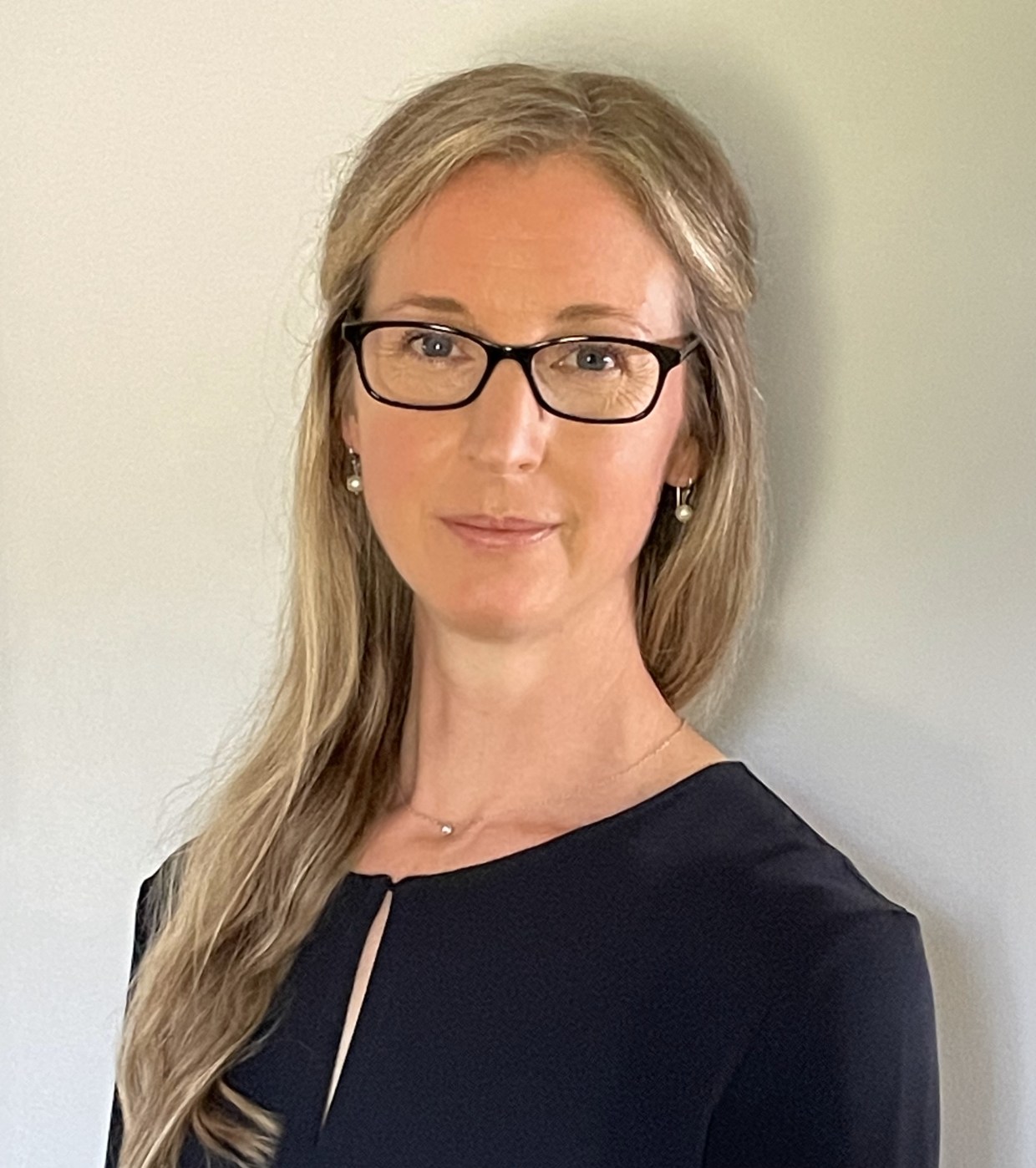
Brady, eMed's co-owner and founding chief wellness officer, is heading up an initiative that offers healthcare employers a fixed-cost of $25 per month per covered person, along with a $99-per-month charge for employees that covers their
"I relied on incredible healthcare professionals who helped me stay on the field," Brady said in a release, referencing his 23-season NFL career. "These were the coaches of my life. They fought for me and now I want to fight for them."
The healthcare industry employs more than 20 million people, according to the Centers for Disease Control. Between hectic schedules,
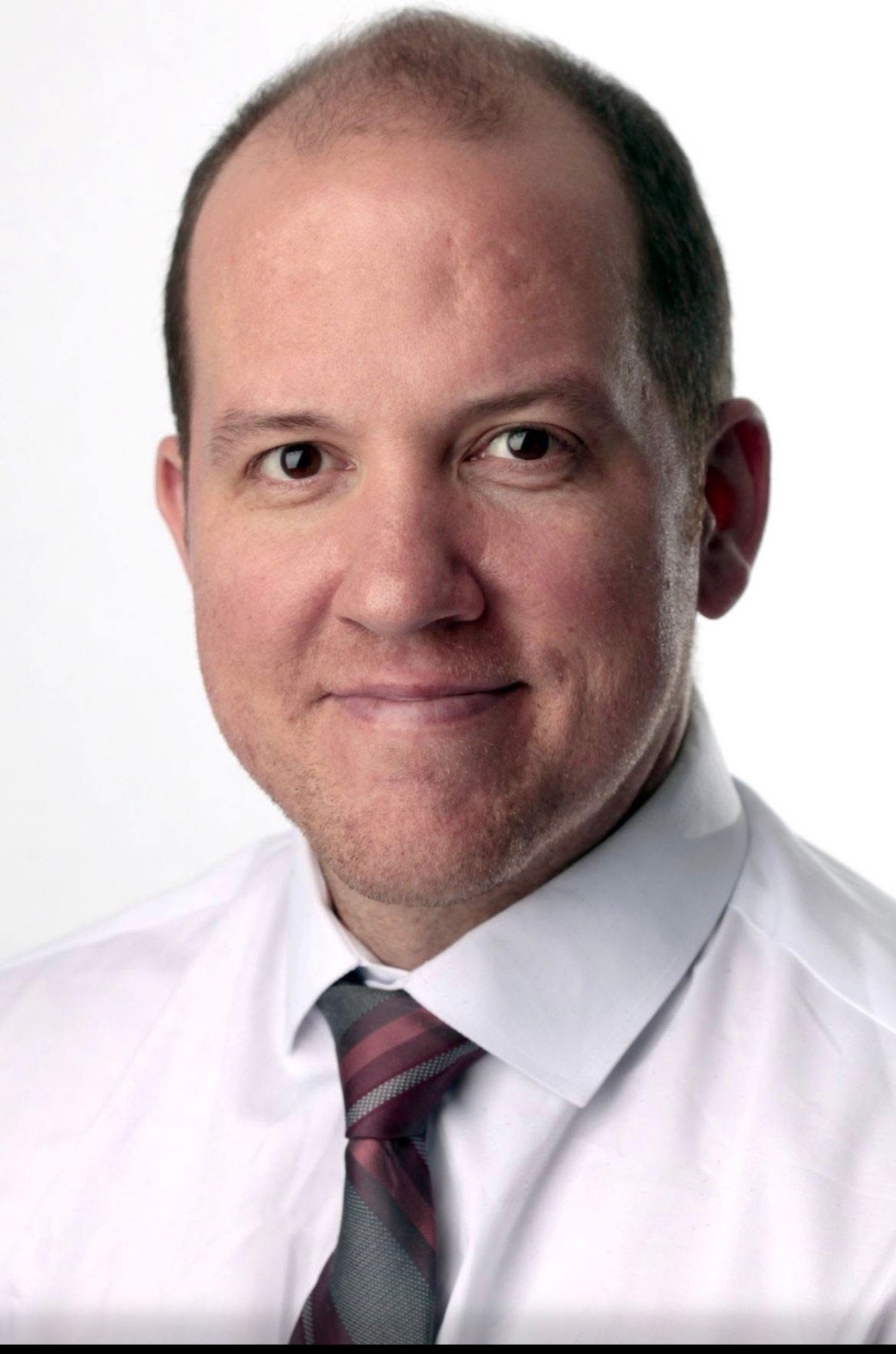
"When the health of our caregivers declines, patient outcomes follow. A healthier healthcare workforce doesn't just benefit the workers, it results in better care for all of us," she says.

Read more:
When GLP-1s and corresponding clinical support are more accessible, employees can get on an immediate path to better health: According to eMed, its members "see an average weight loss of 24 pounds, 96% show reduction in pre-diabetes markers within six months, and adherence exceeds 90% — more than double the industry average."
Improved metabolic health also cuts down on long-term, chronic conditions, such as type 2 diabetes, cardiovascular disease and high blood pressure — all significant cost drivers for employers.
"By 2030, chronic diseases could cost American businesses $2 trillion," says Yaccarino. "A chronic disease management program — like GLP-1s — is one of the highest-ROI investments employers can make. They reduce absenteeism, healthcare claims, and lost productivity, and can truly bend their cost curve into the future."
Yaccarino shares details about eMed's program for employees, and why employers need to include clinical support as part of their GLP-1 offerings.
Read more:
How do employees qualify for eMed's services, and what will they have access to in the way of medication access, clinical support?
Employees enroll through a streamlined intake process and complete an at-home lab screening. Licensed clinicians determine final eligibility based on blood test results, medical history, and individual risk factors. Licensed clinicians then review results and manage FDA-approved GLP-1 medication prescriptions when appropriate. Prescriptions can be delivered directly to their home or picked up at their local pharmacy.
How can employees engage with the AI and clinician touchpoints eMed offers?
From the moment an employee enters the eMed program, the experience is designed to be frictionless, and that starts with AI. An employee can qualify from home using at-home blood collection and biometric capture tools. Our empathic agentic AI supports the entire intake process — eligibility, lab workflows, and data collection — removing paperwork, waiting rooms, and friction between a person and their care.
Once enrolled, members are wrapped in a continuous clinical support system that runs 24/7. Our clinicians conduct weekly check-ins, manage monthly prescribing and dosage adjustments, and are available around the clock for side effect support.
AI tracks each member's progress, identifies early signals of disengagement or risk, and surfaces personalized interventions to keep individuals on track. This is a key driver of our outcomes. The result is a system where AI removes friction so clinicians can focus on what matters most: caring for members in front of them.
Read more:
Why is the clinical support for metabolic health so vital to the success of GLP-1 use?
Access to medications is critical, but convenience can be dangerous without proper clinical care and a commitment to FDA-approved medications.
Without proper oversight, around 60% of people quit within a year. They're not getting the dosage management they need. They're not getting support when side effects hit. And when they stop they lose the benefits they worked for, and employers lose the investment they made.
Our program's design is what drives real results, not just for the people on the medicine, but for employers. We're already seeing companies save more than $3,500 per employee annually in clinical care costs alone.