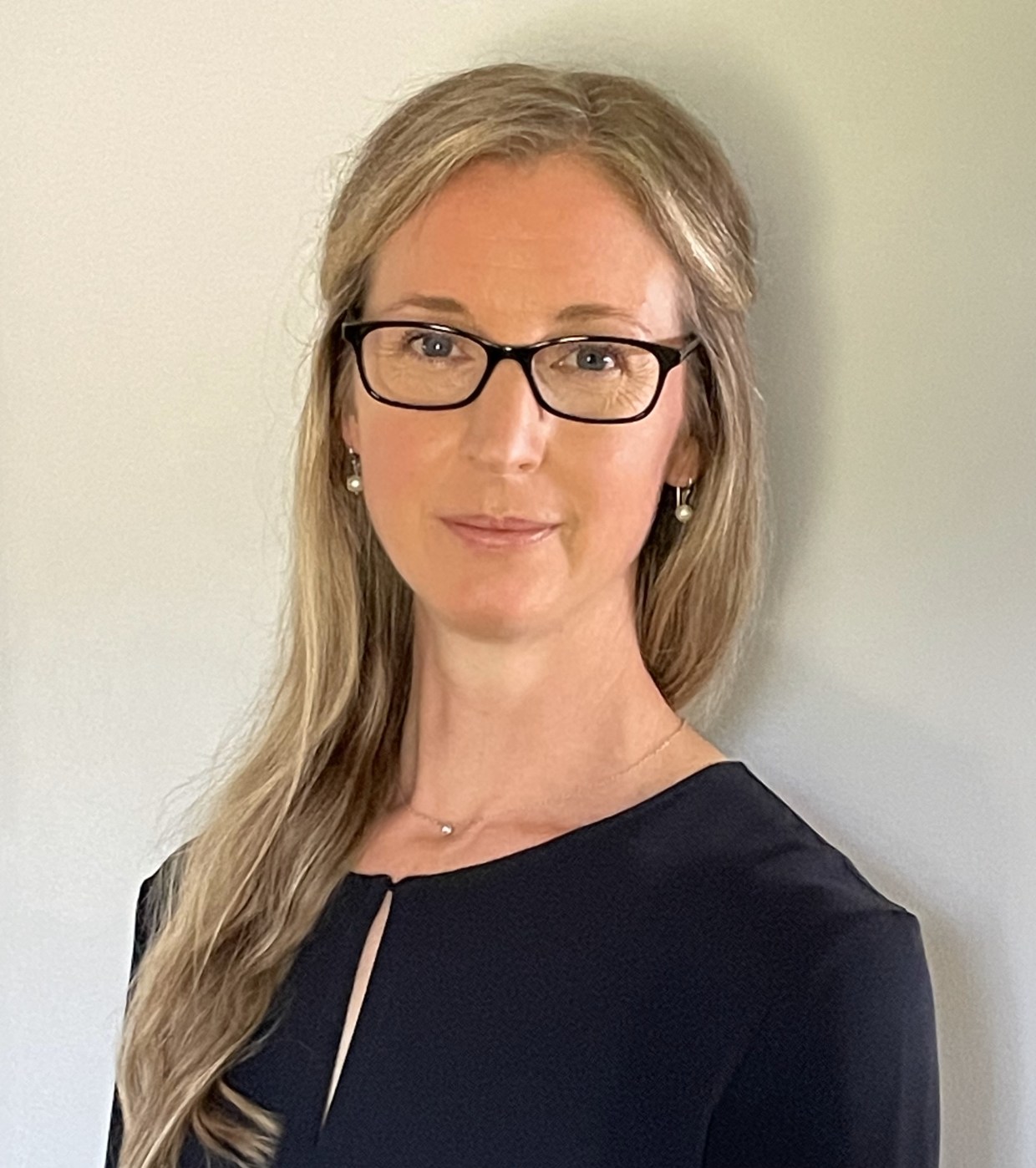
Key insight: Find out how Lendmark is addressing Type 2 diabetes within its employee population.
Expert quote: "There are a lot of companies out there that say they want employees to look after themselves, but you've got to have supportive programs around you." — Kelley Daviss, CHRO, Lendmark
Supporting data: Of the more than 40 million people who have diabetes, 90%-95% have Type 2 - American Diabetes Association.
When Kelley Daviss, CHRO at financial services firm Lendmark, analyzed the
"Like every other company, in looking for ways to help employees and to contain our costs for us and them, we look regularly at what our highest rate of diseases and afflictions within the population are," Daviss explained. "We learned that we had a high number of Type 2 diabetics in our company, and we were looking for something that was going to help the employee base with this, and of course help us with cost containment."
Type 2 diabetes is
Read more:
Lendmark's broker suggested the company look into adding Twin Health, a metabolic health platform that matches users with an AI "digital twin" that analyzes wearable devices and guides them in areas such as food, activity, sleep and stress, along with a clinical care team. Goal outcomes include lowering blood sugar,
In a 2025 Cleveland Clinic study of Twin Health group results, 71% "lowered their A1C below 6.5% without glucose-lowering medications (except metformin)," 85% of participants eliminated the need for GLP-1s, and 46% no longer needed to take insulin. Lendmark brought it on as a benefit in 2022.
"I have Type 2 diabetes in my immediate family, so I know the implications of having it," Daviss said. "Luckily, my numbers had never been off, but I thought this was one of the best things we could do — help these employees and hopefully bring them off of their medication. We had unbelievable results — employees talking to me and the rest of the benefit staff that had started Twin Health — they no longer had to take their oral or injectable medication, and we were hearing things like, 'It's changed my life,' and they were so grateful. The business is seeing cost issues now being affected, but more than anything we loved hearing from employees."
Read more:

The employee experience hits home
Fast forward to early 2025, and Daviss' numbers were no longer okay, she said. "I went for my annual checkup … and before I even made it home from my doctor's visit, she called my cell phone, and said, 'You're prediabetic.' I wanted to cry right there in the car. She said, 'We're going to talk about a plan. This will change.'" Daviss immediately reached out to Twin Health and, following an assessment that confirmed her doctor's findings, signed up for its program.
"I'm a rule follower, so as soon as I knew what to do, I was on it," she said, noting that she was impressed from the time she received her initial box of supplies, and appreciated that this was other employees' first impression as well. "I got what I call the fancy box — a glossy, colorful box that had my supplements, my Garmin watch that tracks every movement, every sleep, every heartbeat. There was a blood pressure machine, a continuous glucose monitor, and a few other things, and it was all packaged nicely."
The program helped Daviss understand how different foods reacted with her metabolism, and after three weeks she felt healthier and was sleeping better. Within two months she was no longer prediabetic. Since then, she's lost 20 pounds and her doctor slowly reduced her high blood pressure medication before finally deeming it unnecessary.
"It was a huge milestone, and it's because I was staying compliant with the program," she said. "I had a coach that I used and still do. She's awesome. Now it's a way of life for me — I've learned a lot and it's just been terrific. I'm proud that it's a program for our employees, and I'm grateful to have been fortunate enough to be part of it. It's been a big change for me."
Read more:
The flexibility of Twin Health's program makes it a good fit for workforces, Daviss said, since everyone approaches their health differently. For her, being able to monitor progress is motivation to keep a healthy momentum going, and she now takes short walks during the workday to see the positive change on her Garmin. Because Lendmark outwardly supports daily actions like this, and pursuing preventive care such as the wellness exam that revealed her condition, it's easier to stay on top of one's health, she explained.
"There are a lot of companies out there that say they want employees to look after themselves, but you've got to have supportive programs around you," Daviss said. "You've got to have a culture where you're allowed to take that time off. We want people to live better lives, to be healthier, and we want to be a part of that."