Benefits Think Tying employee satisfaction to health plan selection
By helping employees make better choices, advisers can help clients get more out of their benefits investment.
Scott Evans
benefitexpress
Follow Us
© 2026 Arizent. All rights reserved.

By helping employees make better choices, advisers can help clients get more out of their benefits investment.
Tim Doherty, head of Pinnacle HR Solutions, seeks out employers with a strategic view of health benefits.


Employers should consider a number of major factors, including stop-loss coverage and reimbursement models, before making the move.

EBRI analysis of five surveys show enrollment trending down over the past decade, but bullish signs persist.


A new report by Benefitfocus shows differences in healthcare cost across the U.S. and how HDHP participation continues to increase yet out-of-pocket cost continues to rise as well.
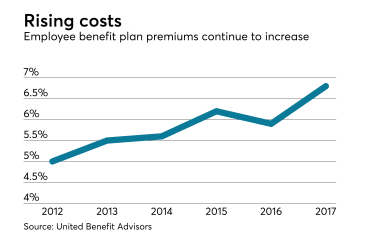
Targeting inflated medical costs, the benefits adviser pre-negotiates prices on behalf of its employer clients.

For small to midsize employers, these vehicles provide numerous advantages previously only available to larger enterprises.
By tying its clinical database to physicians’ EHR systems, the drug chain hopes to avoid patient sticker shock and prescription abandonment at the point of sale.

The service provides convenience and cost savings while ensuring employees miss fewer work days.

By tying its clinical database to physicians’ EHR systems, the drug chain hopes to avoid patient sticker shock and prescription abandonment at the point of sale.

Three hundred large hospital systems are teaming up to control rising drug costs. But even their firepower might not be enough.

For small to midsize employers, these vehicles provide numerous advantages previously only available to larger enterprises.
Three of the country’s most important companies have allied to take control of their healthcare costs.
Advisers take note: Industry expert Lindsay Resnick says runaway costs are driving employers of all stripes to reject the benefit market’s status quo.


Medical trend, workforce health and operational efficiency and employee productivity are three key metrics to consider when evaluating ROI.

Despite arguments to the contrary, the combination is unlikely to lower prescription costs for employers or employees.

Because marijuana is still treated as an illegal substance at the federal level, providers don’t get the same write-offs as other federally regulated business.

Addiction recovery costs are skyrocketing for companies, but employee education on drug usage can help stem the tide.

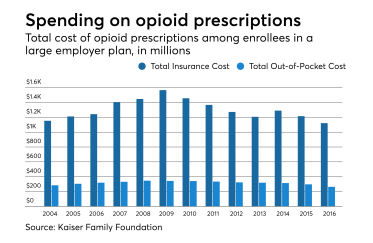
Making tweaks to your health savings account communications strategy can increase employee enrollment and contributions.
Outcomes were generally positive and can be used by advisers to help clients get more out of the program.
