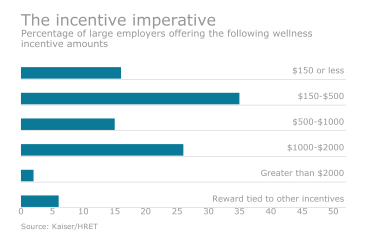
Are incentives the key to reducing healthcare costs?
How the concept of paying employees to encourage certain behaviors is making its way into other areas of benefits that advisers need to know about.

Follow Us
© 2026 Arizent. All rights reserved.

How the concept of paying employees to encourage certain behaviors is making its way into other areas of benefits that advisers need to know about.
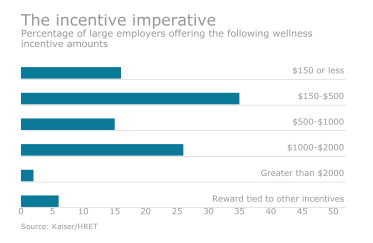
Employers are familiar with wellness incentives, but the concept of paying employees to encourage certain behaviors is making its way into other areas of benefits.
Some organizations are deploying a strategy that reduces their HSA contributions in favor of employer-funded indemnity products, such as accident and critical illness insurance.
How have employer-sponsored benefits changed since the last leap year? Long-term trends can give organizations a better understanding of whether they’re ahead (or behind) the benefits curve, says Compdata.
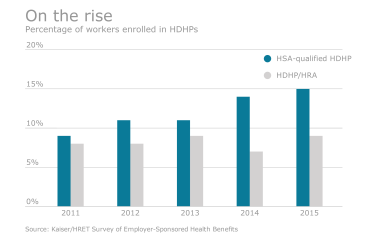
While just over half of companies with more than 1,000 employees offer at least one high deductible health plan, few have fully replaced traditional plans with the HDHP.

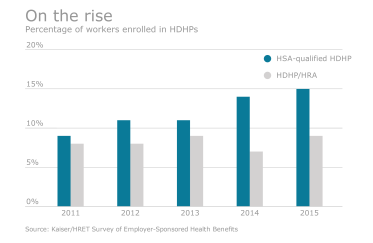
Voluntary benefits such as critical illness, hospital indemnity and accident insurance, are not regularly being offered alongside HDHPs.

The electronics manufacturer has launched a branded HR program to build a culture of healthcare consumerism and drive enrollment in its HDHP.
If employers offer an HDHP, executives should be maxing out their HSA contributions, says Robert C. Lawton.

Electronics manufacturer OSI Systems launches a branded HR program to build a culture of healthcare consumerism and drive enrollment in its high deductible health plan.
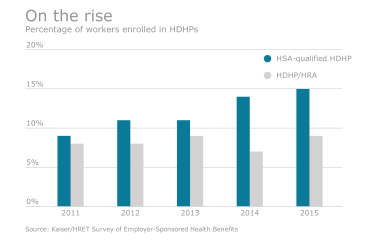
As the need for gap coverage continues to grow, advisers can help promote these underutilized benefits with better communications and education.
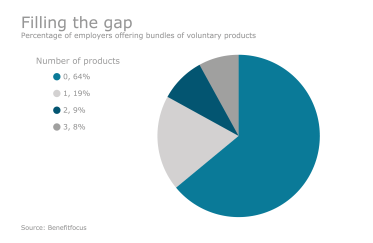
If employers offer a high deductible health plan, all executives should be maxing out their contributions to their health savings accounts, says Robert C. Lawton. Here’s why.
Workers need help understanding how and why to prioritize contributions to a health savings account.
Health savings accounts help workers save for healthcare expenses in retirement. Employees who are eligible to contribute to an HSA should max out those contributions before putting money away in their 401(k) plan, says retirement plan consultant Robert C. Lawton. Here’s why.
More employers embracing growing benefit distribution alternatives in an effort to reduce employee healthcare costs.