Benefits Think 2 ways to maximize value in a self-funded medical plan
Getting more out of the prescription drug plan and telemedicine are cost-saving avenues for plan sponsors to explore, says Corporate Synergies’ Bruce Barr.

Quality, confidentiality and scope of services are prime considerations for employers looking to implement clinics on or near their worksites.
Employers are already swamped enough dealing with a litany of benefit issues. That’s why, a panel of plan sponsors explained at the NAPA 401(k) Summit, they are looking for benefits help from their advisers.
Employers are already swamped enough dealing with a litany of benefit issues. That’s why, a panel of plan sponsors explained at the NAPA 401(k) Summit in Nashville, they are looking for benefits help from their advisers.
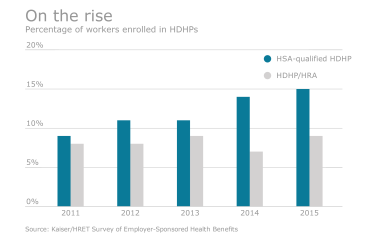
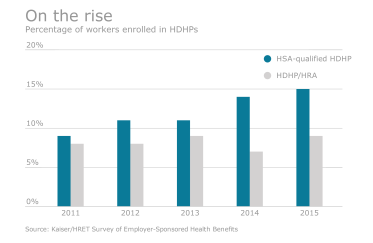
The majority of large employers offer high-deductible health plans coupled with health savings accounts, but traditional plans are still favored by many employees.
It’s important to educate employers and workers about available HSAs, HRAs and FSAs so that employees can get the most out of them.
Primary care provider-based wellness tests work well for remote employees, but ones conducted at the workplace are better for an employer’s bottom line, according to an analysis of medical claims data conducted by HealthFitness.
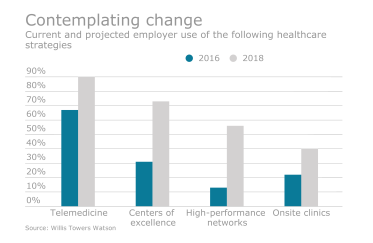
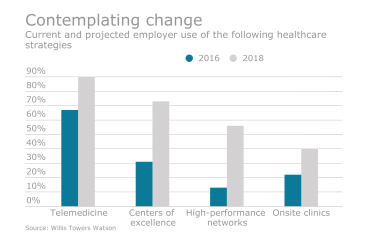
Group health plan costs are expected to rise modestly this year and plan sponsors anticipate a growth in strategies such as telemedicine and high-performance provider networks.
The majority of large employers offer high-deductible health plans coupled with health savings accounts, but traditional plans are still favored by many employees.
It’s important for employers to educate workers about available HSAs, HRAs and FSAs so that employees can get the most out of them.
Group health plan costs are expected to rise modestly this year and plan sponsors anticipate a growth in strategies such as telemedicine and high-performance provider networks.
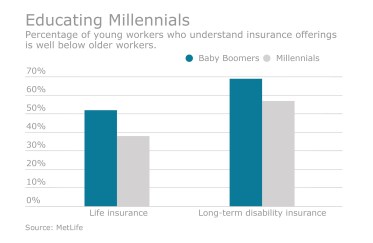
Young workers require a more hands-on approach when learning about insurance offerings, a new MetLife study reveals.
The health system is making strides toward value-based care but much of them are still detrimental for employers and employees.
It takes knowledge and planning, but there are ways to keep health insurance costs from derailing company profits while still offering employees the benefits they need.
Few programs can provide hard data that they solidly increase health outcomes for employees or decrease costs for employer clients.
The U.S. health system is making strides toward value-based care but much of it is still focused on volume, which is detrimental for plan sponsors and employees.
The Northeast Business Group on Health says digital tools can make a difference in controlling chronic conditions among employees.
Despite early successes, many large employers are reluctant to move employees to an online benefits marketplace.
Few programs can provide hard data or credible testimonials showing that they solidly improve health outcomes for employees or cost for benefit plan sponsors.
Despite early successes, many large employers still reluctant to move employees to an online benefits market.