Benefits Think Why Trump’s drug plan fails employers
By not prioritizing the use of pharmacy benefit management drug rebates, the administration is hurting companies, who shoulder the burden of rising costs by all stakeholders in the supply chain.

In a national plan, employers are pooled together to purchase stop-loss insurance. Companies pay smaller day-to-day claims as they come, but enjoy greater protection against catastrophic claims as well as the purchasing power of a large group.
At the event in Washington DC, benefit brokers learned new, innovative ways to reduce healthcare costs for their employer clients.
Much like stop-loss coverage, advisers can use telehealth services to help clients make the leap to becoming self-insured.
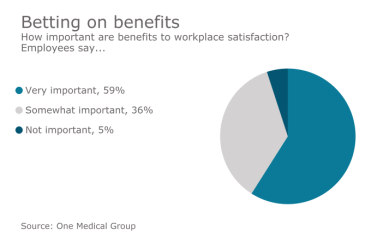
What’s the point of having a robust benefits package if employees aren’t taking advantage of it?
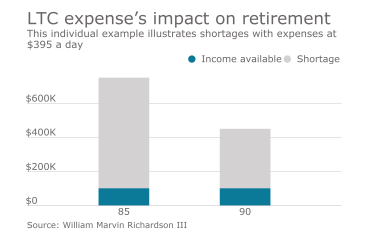
Employees and others are ill-prepared to meet their long-term care expenses. But government regulations and insurer indifference are exacerbating the problem.
Providing telehealth visits and offering workers a personal advocate to transfer medical records or schedule appointments are among the strategies employers should consider.
You’re not out of luck — for smaller, self-insured organizations, near-site healthcare is an affordable, scalable option.
The president will propose a sweeping effort to bring down U.S. drug prices in a plan to make good on a campaign promise.
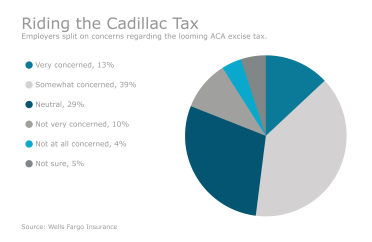
Still seeking to repeal elements of the healthcare law, doing away with the Cadillac tax and the MLR tops the IIABA’s legislative agenda.
No, not all workers want a free gym membership. Here are some misconceptions employers should address to provide added value to their offerings.
Providing telehealth visits and offering workers a personal advocate to transfer medical records or schedule appointments are among the strategies employers should consider.
Still seeking to repeal elements of the healthcare law, doing away with the Cadillac Tax and the MLR tops the IIABA’s legislative agenda.
Workers, who continue to see their health costs increase annually, are “basically saying enough is enough” when it comes to paying more for medical offerings, Willis Towers Watson research finds.
Prodding employers into insuring themselves has important benefits—and major drawbacks.
The price of prescriptions has skyrocketed and the industry needs to address matters sooner rather than later.
What’s the point of having a robust benefits package if employees aren’t taking advantage of it?
No, not all workers want a free gym membership. Here are some misconceptions employers should address to provide added value to their offerings.
The price of prescriptions has skyrocketed and the industry needs to address matters sooner rather than later.
Amazon, JPMC and Berkshire Hathaway and other large employers have put the healthcare industry on notice but what does this mean for employee benefit advisers?