Why some advisors prefer HSAs over IRAs for retirement savings
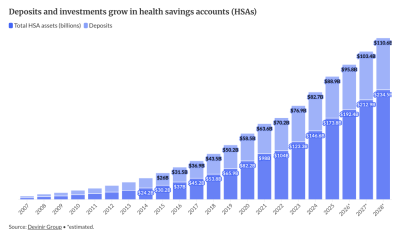
At face-value, HSAs are for short-term medical expenses, but advisors suggest paying out of pocket to maximize HSA funds for investing and tax-free growth.

Follow Us
© 2026 Arizent. All rights reserved.

At face-value, HSAs are for short-term medical expenses, but advisors suggest paying out of pocket to maximize HSA funds for investing and tax-free growth.
Advisors suggest multiple ways that clients can maximize the triple tax advantages of health savings accounts (HSAs) while avoiding penalties.
Gina Downs does the blocking and tackling for retired athletes and their families when it comes to accessing medical and behavioral healthcare.


Change is underway in the health insurance industry, specifically with the rise in popularity of ICHRAs. But the innovation doesn’t stop at insurance coverage. Recognizing that employees often have leftover allowances after covering their premiums, Thatch launched Thatch Marketplace, a curated online ecosystem of health and wellness services. In this article, you’ll get a better […]
Bruce Johnson, Head of Policy and Matt Adler, Head of Product at Thatch discuss why the shift to ICHRA is happening, the benefits of employee choice, and how employers can help their employees feel empowered in their decision-making.

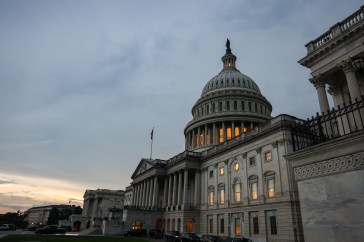
The federal government shutdown, the second longest in US history, is nearing the one-month.
A 65-year-old retiring in 2025 can expect to spend $172,500 on health care expenses throughout retirement, according to Fidelity.


A survey of 500 insured adults in the Atlanta area reveals a troubling pattern: high costs, confusion, and delayed care are undermining employee well-being and workplace performance.
Join us for a thought-provoking discussion on how health and root-cause interventions can be integrated into everyday benefits strategies. Discover how tax-advantaged tools like HSAs and FSAs are being used to make these interventions more accessible, and how platforms like Truemed and Navia are helping employers expand access while staying compliant.
Despite health savings accounts being highly tax-advantaged, most savers do not fully utilize their unique benefits, new data from the Employee Benefit Research Institute shows.

A TIAA Institute survey found that the average U.S. adult cannot answer a majority of retirement-related questions.

A new Morningstar study found that long-term care costs can dramatically impact retirement plans, with 41% of households projected to run out of money when such expenses are incurred.

At least 13.7 million people would lose health insurance by 2034 as a result of the bill.
Between rising premiums and drug shortages, benefit managers need to strategize effectively to weather possible pharmaceutical tariffs.


Over a third of employees have until March 15 to use their FSA funds before they lose them.

The estimate for the amount required for 65-year-old spouses is one of many from a study full of figures that advisers can use to highlight the value of HSAs.

A client's immediate health needs make saving their accounts until they're 65 or over a difficult endeavor, and the accounts carry some highly specific rules.

Two companies partner to offer alternatives to COBRA; top 10 companies for compensation; how employers can save billions on healthcare; and more in this week's roundup.


Justworks surveyed over 2,000 workers about their open enrollment experience, and many of the respondents aren't happy.

Under Trump, will Republicans finally eliminate the Affordable Care Act, or will it be modified in some undetermined way?