Benefits Think The rise of reference-based pricing
How brokers can benefit from this trend driving big changes, such as the CVS/Aetna merger.

Alex Tolbert
BerniePortal
Follow Us
© 2026 Arizent. All rights reserved.

How brokers can benefit from this trend driving big changes, such as the CVS/Aetna merger.
Department of Labor rule changes open the door to a benefits win for brokers, associations and franchises.
Steve Kelly of ELAP Services envisions fair pricing scenario in response to health system consolidation.


The ERISA Industry Committee sent a letter supporting new legislation that would improve HSA efficacy and usage.

The CVS Health Inc.-Aetna Inc. tie-up is in the shade after last week's announcement of a health partnership between Amazon.com Inc., Berkshire Hathaway Inc., and JPMorgan Chase.

There are four ways to make the two healthcare spending accounts work together, but they are often under-utilized.
Although the IRS is not currently enforcing aspects of executive benefits in group health plans, employers must stay compliant.
The 2018 EBA Rising Star in Advising is lowering healthcare costs for self-funded employers by boosting their benefits and improving health outcomes — resulting in unspent premiums.

Some big names in healthcare want to fix what they see as a broken system. First, they are mending fences.

Providing benefits such as dental and short-term disability is a smart way for employers to try out the insurance arrangement, which has the potential to save money and provide greater transparency.

Pharmacies in Canada, Australia, the U.K. and more can supply Rx medicine for less than half of U.S. prices.

The regulatory environment is one of the toughest in the country and the expansion of PEOs is leading to adverse risk selection.


Addressing frustrations with growing medical costs, price gouging and employee education appear to be key drivers that could impact the whole employer-based delivery system.

The corporate giants’ announcement is the latest in a series of employer moves to reduce costs and empower employees. Insiders predict more companies will follow suit.

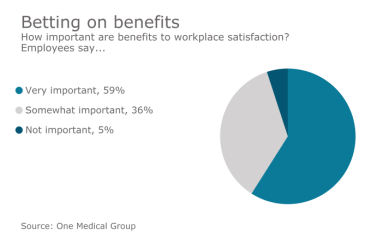
The corporate giants’ announcement is the latest in a series of employer moves to reduce costs and empower employees. Insiders predict more companies will follow suit.
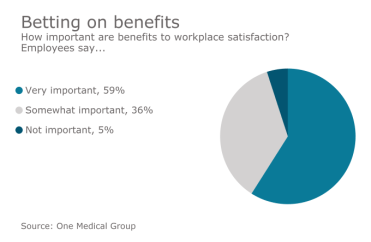
Addressing frustrations with growing medical costs, price gouging and employee education appear to be key drivers that could impact the whole employer-based delivery system.

Pharmacies in Canada, Australia, the U.K. and more can supply Rx medicine for less than half of U.S. prices.

All three entities have a long-term profit focus, which makes them incentivized to tackle drug price transparency, behavior incentives, technology improvements and more.
Employers will be relying on brokers to know the ins and outs of each benefit account as they take a larger role in their employees’ health benefit plans.
Amazon.com, Berkshire Hathaway and JPMorgan Chase say they plan to collaborate on a way to offer healthcare services to their U.S. employees more transparently and at a lower cost.