Premera Blue Cross adds new radiology services
The insurance company partnered with Covera Health to prevent misdiagnosis and unnecessary surgeries.


Follow Us
© 2026 Arizent. All rights reserved.

The insurance company partnered with Covera Health to prevent misdiagnosis and unnecessary surgeries.
Employee well-being is directly tied to business health, which is why it is so important for organizations to optimize their benefits and deliver the right health and wellness offerings for their workers.

As with all disruption, however, we now have the opportunity to adjust our structures, mindsets and ways of working to emerge from the crisis stronger than ever before.

Seventy five percent of employers reported being directly affected by opioids, often as contributing to workplace accidents, lost productivity, staffing issues, missed workdays, and increased care and leave costs.

Around 63% of workers say their company could do more to support their emotional and mental health during the COVID-19 pandemic. Within this group, 22% said their company’s response was “barely adequate,” “a disaster” or “non-existent.”

Instead of choosing a one-size-fits-all plan for a group, employers can offer fixed reimbursements that employees can use to purchase their own insurance or use for medical expenses.

Employees who are concerned they might expose an at-risk member of their household can sign and submit a document to take leave until May 31.

The usual time to sign up for health insurance is during open enrollment but businesses and the Marketplace allow you to make changes to your health insurance anytime if certain major life events happen.

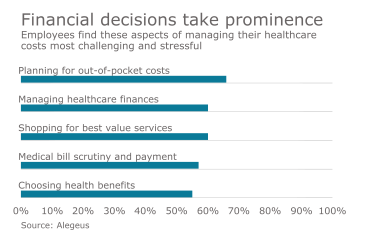
The majority of U.S. workers do not have enough savings to help them in the event of a medical emergency and often turn to their retirement funds for help.

The National Alliance of Healthcare Purchaser Coalitions says the COVID-19 pandemic highlights the need for employers to fight social disparities.

The growing costs faced by today’s health care purchasers and plan members have many returning to proven strategies like V-BID, which lowers or eliminates the out-of-pocket cost for high-value services or medications.

Public health specialists said a range of tools, high-tech strategies and old-school public health interventions could help tamp down the spread of COVID-19.

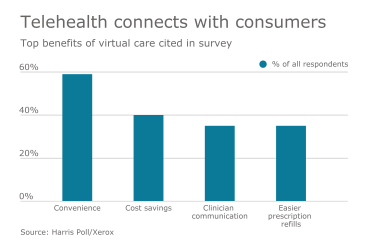
Telehealth can meet the need for both expanded healthcare resources and for avoidance of in-person contact that may promote disease transmission.

Within the bill are several important provisions affecting employers, including requirements for coverage of COVID-19 testing and treatments, as well as the potential impact to group health plans.

The tech platform helps producers understand a group’s risk, customize coverage and secure competitive stop loss to match plan designs.

Without the ability to catch early signs of burnout, employers may miss important cues as workers struggle with anxiety and stress.


An integrated healthcare model can treat behavioral health issues more holistically than relying on add-on benefits.
UnitedHealthcare gives expecting women a second yearly eye exam to address changes brought on by pregnancy.

“It does bring to life the effect of an economic downturn and the results that will have in the health benefits space,” says David Henka, CEO of ActiveRADAR.

“We need to build health plans that incentivize employees to make better healthcare choices based on quality,” Jim Blachek, CEO of Dynamic Benefit Solutions, says.