7 key provisions of the Republican ACA replacement bill
Tax credits, health savings accounts seek to help individuals pay for health insurance.
Follow Us
© 2026 Arizent. All rights reserved.

Tax credits, health savings accounts seek to help individuals pay for health insurance.
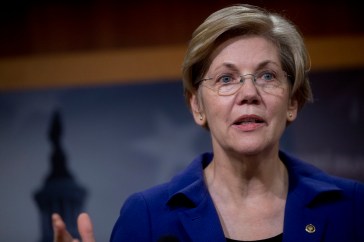
Hope is dimming, but top Democrats like Sen. Elizabeth Warren and investor advocates are unlikely to relent in their efforts to preserve the regulation.

An index of SourceMedia's comprehensive election analysis for professionals in financial services, health care and technology. With coverage of more than 50 contests and ballot initiatives.
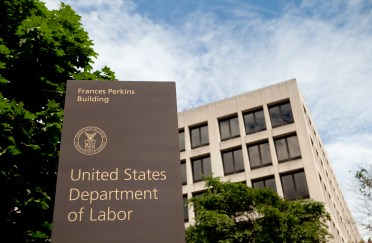
Here's how the outcome of the presidential election could affect the trajectory of the Labor Department's regulation.

Fueled by regulatory issues, 80% of employers now outsource at least one HR activity — and that number is swiftly growing, according to new research.

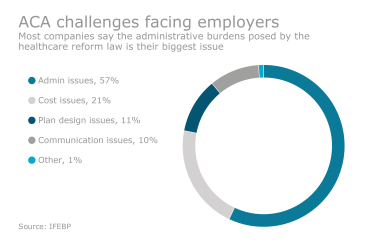
Fueled by regulatory issues, 80% of employers now outsource at least one HR activity — and that number is swiftly growing, according to new research.
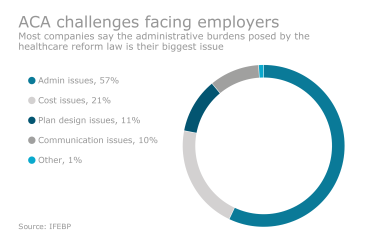
If the DOL, IRS and PBGC get their way, data from millions of employers not previously required to file will make the segment increasingly transparent.

If the DOL, IRS and PBGC get their way, data from millions of employers not previously required to file will make the segment increasingly transparent.
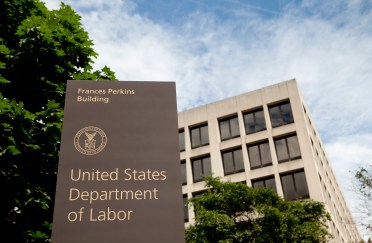
Lockton’s Ed Fensholt breaks down the treatment of health savings accounts in the Republicans’ proposal.

The U.S. Chamber of Commerce, SIFMA, FSI and other groups are asking a Texas court to vacate the Labor Department's new regulations less than a year before the rule goes into effect.

The new rules were developed in consultation with the SEC, the Labor secretary adds.

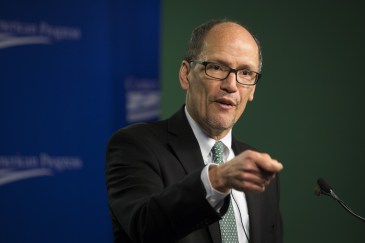
How the DOL’s proposed regulations would affect executive, administrative and professional employee exemptions.

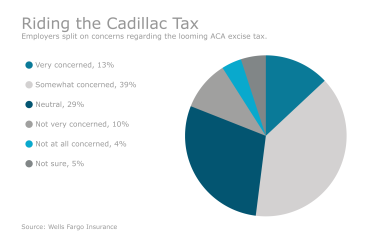
The ACA’s excise tax shouldn’t include contributions to HSAs and FSAs, benefit experts say, arguing that such a levy may lead employers to cut those health programs from their plans.
The ACA’s excise tax shouldn’t include contributions to HSAs and FSAs, benefit experts say, arguing that such a levy may lead employers to cut those health programs from their plans.
As the Department of Labor’s proposed “white-collar” rules move closer to becoming final this summer, with an effective date 60 days later, we take the opportunity to explain further what these new regulations will mean for employers.