How AI may make more employees eligible for overtime pay
An employment attorney explains how AI will impact overtime pay for employers today and in the future.


Follow Us
© 2026 Arizent. All rights reserved.

An employment attorney explains how AI will impact overtime pay for employers today and in the future.
From managing paid leave policies to addressing employee drug use, employers can expect to have their hands full in the coming year. But these strategies can help.

When applying the final guidelines, employers should know that salary level is just one of the criteria for exemption.
The final rule boosts the minimum salary threshold for salaried workers, but not to the extent under the Obama administration’s proposal.
The outgoing secretary’s deputy, Patrick Pizzella, will be named acting secretary of the department.
Some experts say the labor secretary’s departure could expedite the department’s regulatory agenda.
The potential impact could be extensive and employers need to be prepared.

If and when the changes will take effect is unknown, but employers should be thinking ahead.

The new proposal revises regulations on how employers calculate regular and overtime pay.
Before the rule is made final, HR managers may want to bump pay to avoid having to pay overtime.
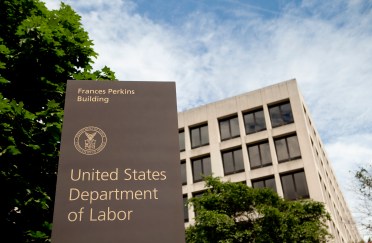
From the recently proposed overtime rule to floating bills on mandated paid leave, a number of hot topics were discussed by benefits professionals this week in Washington.
Before the rule is made final, HR managers may want to bump pay to avoid having to pay overtime.
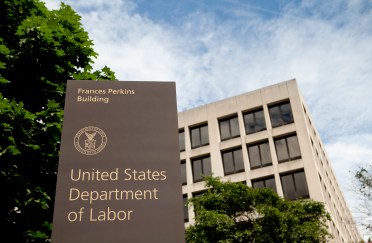
Though the proposed rule doesn’t reach the limits of Obama’s 2016 rule, small and midsize companies argue it creates administrative burdens.

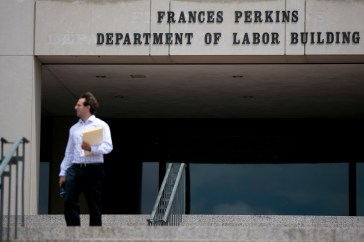
The rule would expand coverage to more than 1 million workers, far fewer than a rule struck down in 2017.
From overtime rules to biometric timekeeping, a patchwork of laws and regulations can make compensation benefits a tricky business for employers.
From overtime rules to biometric timekeeping, a patchwork of laws and regulations can make compensation benefits a tricky business for employers.
Although the proposed rule has been shot down by the Fifth Circuit, the DOL will now request that the Fifth Circuit reverse a Texas federal court order blocking the new rule.

The agency’s move looks to get the regulation out of the court system so the Department of Labor can rework it.
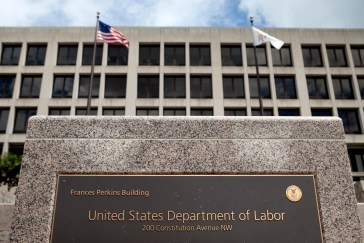
A recent court's decision effectively nullifies the DOL's overtime rule in its entirety.

While the increase to the minimum salary required to be exempt from overtime requirements never came, the current administration has indicated that it still intends to raise the threshold.