Benefits Think How to prevent employees from raiding their retirement funds
Key strategies include seeding emergency savings to cover six months' worth of expenses with the help of a financial adviser and matching contributions.
Follow Us
© 2026 Arizent. All rights reserved.

Key strategies include seeding emergency savings to cover six months' worth of expenses with the help of a financial adviser and matching contributions.
The Goldman Sachs 2024 Retirement Survey & Insights Report found that while competing priorities affected workers' ability to save, having a plan in place helped clarify goals and the grit required to meet them.


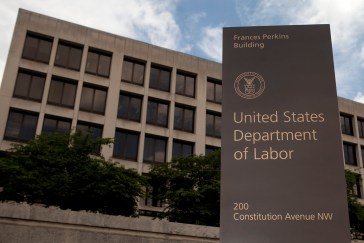
The court filings seek to overturn two injunctions federal courts imposed after finding the Department of Labor's new conduct standard is too similar to a previous one vacated in 2018.

Offering education and access to a variety of savings options prepares employees for long-term financial wellness.
Providing truly equitable benefits can be measured by discovering that two similarly situated employees classified differently have equitable outcomes.

Last year, Americans saved more in their 401(k)s than ever before, according to new research from Vanguard.


Amid cash-outs, stranded plans and suboptimal investments, a SECURE 2.0 provision runs the risk of expanding asset waste in the proverbial 401(k) landfill.

Ted Benna's plan would offer financial incentives that could be directed to a long-term investment account for the future.


From baby boomers to Generation Z, employees have different approaches when it comes to their long-term savings.

A survey from Clever revealed that many retirees are panicked and unsure about their financial future in retirement.

ERISA preemption faces new questions as more states enact new mandated benefits and assert regulatory authority over certain benefits.
The IRS and Labor Department issued guidance on the new savings vehicles, but advisers have questions.


Retirement plan sponsors and advisers receive guidance from the IRS on how to legally incentivize plan participation.

Roughly $1.6 trillion in savings would be preserved in the U.S. retirement system over 40 years if auto portability were adopted nationwide.
A new rule will allow long-term, part-time employees to contribute to retirement plans by 2025.

Gen X workers have the biggest gap between their savings and what they think they need to save for retirement than any other generation in the workforce.

No matter where an employee is in their financial journey, educating them on options is beneficial to their well-being and your bottom line.

Baby boomers may be wealthier, but millennials have benefited from a number of retirement reforms, new research shows — and they still have more time to save.

Holistic communication can help educate employees on how to make the most of their retirement plans.

Now is a good time for employers educate themselves on what this new retirement legislation means for their business.