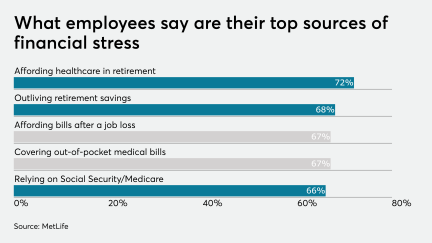
Employers block raises and bonuses amid pandemic
Despite widespread financial stress, employers have kept wages stagnant or cut employees’ pay during COVID-19.


Follow Us
© 2026 Arizent. All rights reserved.

Despite widespread financial stress, employers have kept wages stagnant or cut employees’ pay during COVID-19.
The pandemic has federal student loans on pause, but healthcare professionals need help to dig themselves out of debt.

Employees who often choose to get paid sooner turned over faster.

Being prepared for an emergency is a critical aspect to good financial wellness.


The burden of student loans can cause enormous stress and damage to an employee’s mental health.

Addressing financial stress is the number one priority for employers looking to expand their benefit offerings during COVID.
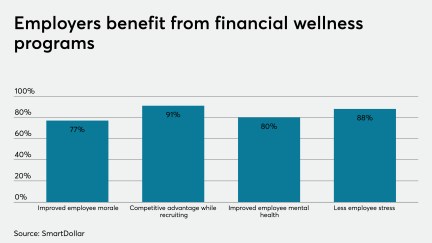
As we move from surviving a crisis to recovery, the intersection of employee benefits and workplace wellness may help drive key changes in defining success.

Money employees would’ve spent on entertainment and commuting in previous years can help them plan for the future.


Offering equity compensation gives employees a stake in the company's future success and can help employers to attract and retain the best talent.

Don’t ignore the financial stress of your workforce. It’s time for leaders everywhere to start talking about money and creating a culture of financial health and well-being in their organization.

These employers are making a difference in their employees’ lives through financial wellness benefits.

In an effort to help workers face the rising cost of living, but still see stagnant wages, many employers embraced technologies that offer Earned Wage Access.

HR pros and brokers will learn how financial wellness is connected to mental and physical health during this three-day virtual event.

Employers need to make workplace accommodations and offer financial planning benefits to support this population.

With 18 million veterans in the workplace, employers need to implement benefits that help them with the transition back to civilian life.

As employees struggle with their finances during COVID, employers like PwC and Noodles & Company are offering new solutions. Read more of our top stories from this week.
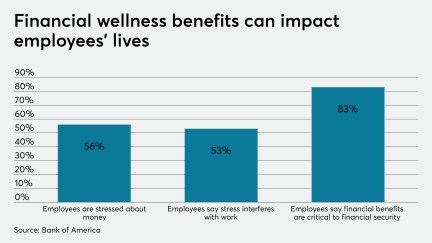
Employees in non-health related professions who are at the highest risk of contracting COVID-19 include teachers and bus drivers.
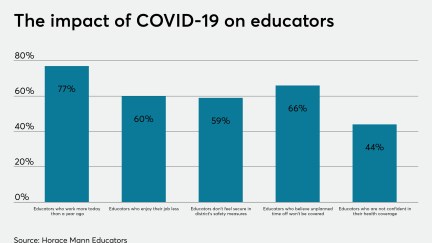
The majority of American workers are facing meaningful financial challenges and are at significant risk for making financial decisions they are likely to regret.

Scroll through our list to see some of the best coverage from 2020 on addressing racial trauma in the workplace, the COVID-19 crisis, and suicide rates among veterinarians.
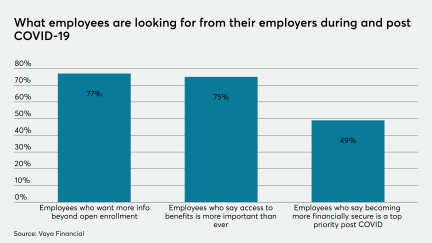
Employers with a robust spending account strategy will be better equipped to bolster employee savings and support other needs in 2021.