Employees will sacrifice a pay raise for better benefits
Choice and flexibility in benefit options are top of mind for employees, a new Willis Towers Watson survey finds.


Follow Us
© 2026 Arizent. All rights reserved.

Choice and flexibility in benefit options are top of mind for employees, a new Willis Towers Watson survey finds.
Clients are advised to keep some of their savings in cash and focus on their long-term prospects.


“It's really important for employees to know where they’re at with investments, and that employers educate them so that they don't make rash decisions,” says Tara Mashack-Behney, president of retirement plan consulting firm Conrad Siegel.

“Find ways to generate income,” says one financial planner.

While some retirees have seen a substantial increase in spending, many others are enjoying financial freedom.

CommonBond is ensuring employees can qualify for employer retirement contributions while they pay off their student loans.


To ensure their investments stretch as long as they live, clients are advised to develop a sustainable withdrawal plan and consider annuities.

Aside from refinancing, retirees are advised to consider downsizing their homes to reduce overall spending.

To start, these clients are advised to start saving as early and contribute enough to their 401(k)s to qualify for their employer's matching contribution.

“It is really as important for plans to get people thinking about income rather than just accumulation,” an expert says.
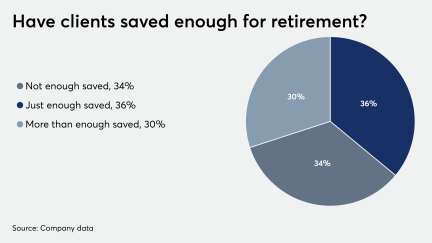
With hardworking African-American and Hispanic workers far more likely to cash out than other participants, our nation has a serious retirement-saving crisis on its hands.

“The financial burden of student loans is a major reason fewer employees are taking advantage of 401(k) programs,” Scott Thompson, CEO of Tuition.io, says.

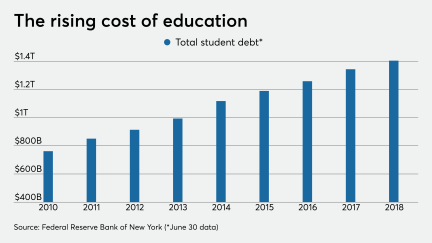
One of these snags is taxation on clients’ retirement income, which can hurt their cash flow.
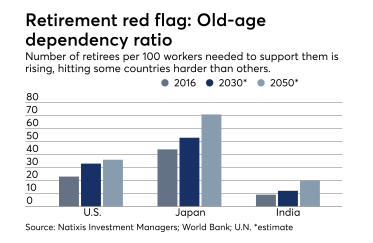
More than a quarter of women in a recent survey say they are confident they will comfortably retire, while almost a third of men voiced the same confidence.

Filing at the wrong age and failing to take advantage of programs like spousal and survivor benefits are just a few common mistakes seniors make.

Older clients who have lost a job prior to retirement are advised to first consider filing for unemployment insurance and begin making revisions to their budget.

Aside from income taxes, retirees will also pay consumer taxes and may face a 3.8% Medicare surtax.
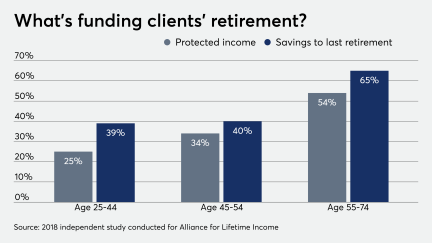
“The advice I give is to calculate the financial impact for each option,” an expert says.

Seniors choosing between traditional and Roth IRAs must account for their current and future tax rates.

Today’s young adults are the first downwardly mobile generation in American history and face a slower growing economy while saddled with unbearable amounts of student debt.