Why small businesses struggle with 401(k)s, and how leaders can help

Review, checklist or people in office of small business, sales progress or parcel shipping for logistics. Check report, entrepreneur team or men planning for order fulfillment, delivery or stock info.
Adobe Stock
  • Key Insight: See why a popular retirement plan structure is increasing administrative burdens for employers.
  • What's at Stake: Hourly workers who miss out on critical retirement savings due to persistent industry misconceptions.
  • Forward Look: Brace for artificial intelligence to change how employers select and trust retirement plan providers.
    Source: Bullets generated by AI with editorial review

For many small business owners, launching a retirement plan can be an uphill battle.

Processing Content

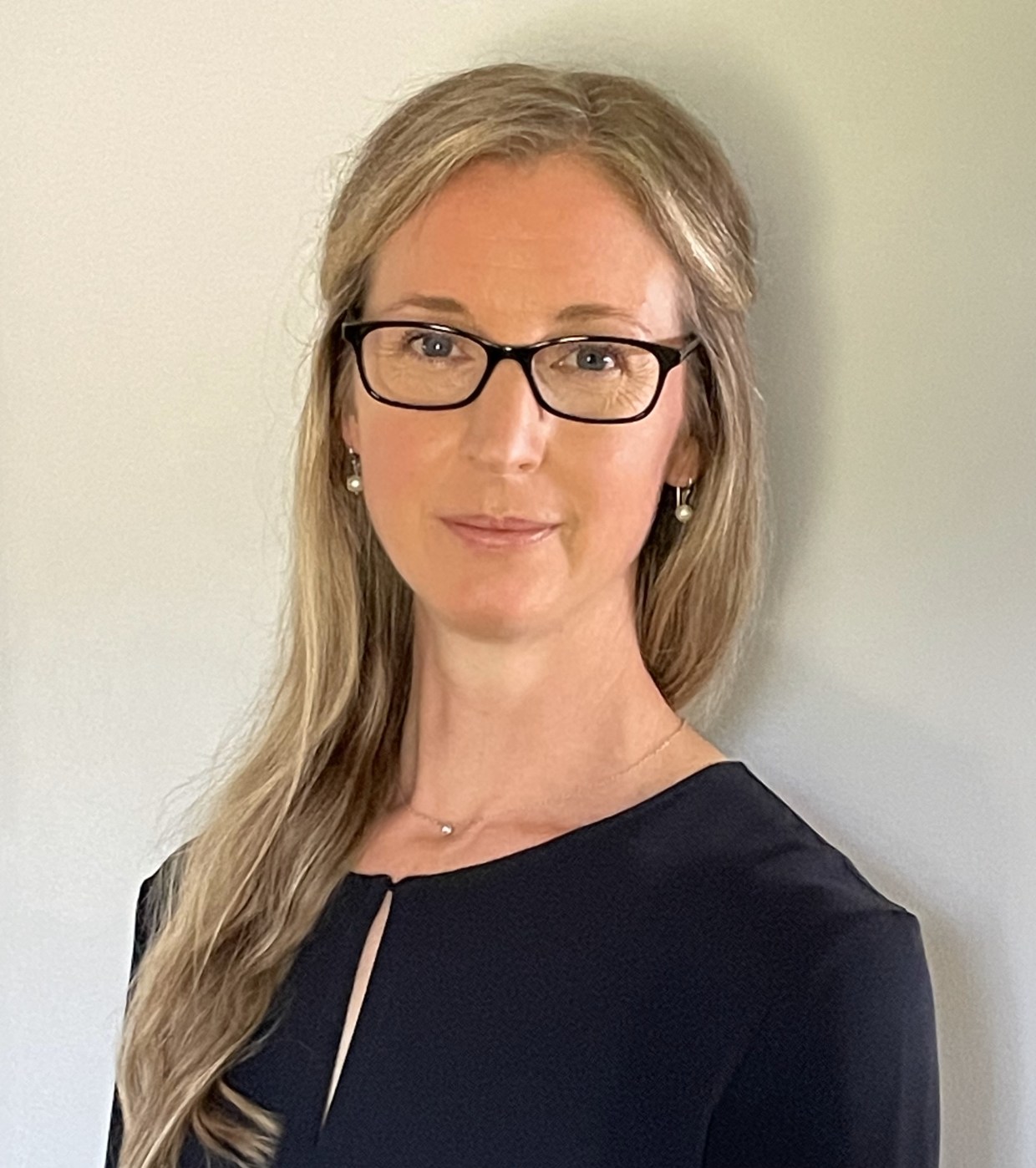
The process is filled with dense jargon, opaque pricing, and time-consuming administration, said Rakesh Mahajan, chief revenue officer of Human Interest, a provider of 401(k) plans for small and midsize businesses.

"Legacy plans often intimidate workers with 'analysis paralysis,' offering complex investment choices and confusing fee structures that discourage enrollment," Mahajan said. "Ultimately, millions of Americans lack access because legacy retirement products remain too complex, costly and burdensome for smaller employers to manage."

Read more: Unexpected 401(k) fees raise costs, confusion for employers

Human Interest has sought to address some of those challenges by streamlining plan setup and administration via technology and better access to workplace retirement benefits for smaller employers.

Mahajan recently spoke with Employee Benefit News about the barriers preventing more small businesses from offering 401(k) plans and the retirement trends benefits leaders should be watching. This conversation has been edited for length and clarity.

What's preventing more small employers from offering a 401(k) today?
One of the biggest obstacles is time. Before Human Interest arrived on the scene, it took literally months of paperwork for lawyers and benefits brokers who worked with the HR team to administer the plan. It's really hard to overstate how cumbersome it was for a small business owner to set up a plan, let alone manage it every month. We've transformed that through technology and automation. We handle the recordkeeping and compliance and even take on some of the sponsor's fiduciary responsibilities so a small business owner doesn't need to take on a second job running their retirement plan.

The other big blocker is fees. We did a survey earlier this year of small to midsize employers that showed that 63% of respondents said they were surprised by a fee they had to pay. One in 10 plans said it was so bad they had to actually terminate their plan. It's important for business owners to look for plans that offer transparent pricing — ask vendors if they have transaction fees for common things like plan amendment fees, restatement fees, or Form 5500 extension fees. We don't charge for any of those — or others. We were the first to eliminate fees for the dozens of common 401(k)-related transactions. 

What's the biggest misconception employers have about offering retirement plans to hourly workers?
That hourly and lower-wage employees won't participate, so it isn't worth offering them a plan in the first place. It's one of the most persistent and wrong assumptions in this industry. The data doesn't support it. When you remove the friction, give people a low-effort way to start, and make the plan easy to understand, participation among hourly workers is strong. Our data shows that when a plan is offered to hourly workers, the participation rate is over 80%. Employers can do more to encourage participation in plans by designing a plan that includes automatic enrollment, a company match, and a thoughtful vesting schedule. 

What do you say to small business owners who think a 401(k) is simply too expensive?
We talked about fees earlier, so I'd reiterate that it's critical you look for a provider who offers transparent pricing and no transaction fees so you're not surprised. The next thing I'd say is that you should look for a provider who embraces technology. Automation and AI help drive efficiency, and that drives down the cost. Companies that require you to fax in forms or mail in paperwork are inefficient. Those inefficiencies are ultimately absorbed by plan sponsors and their participants. The final thing I'd note is that retirement plans are the second most requested benefit (behind medical insurance) by employees evaluating job offers. A strong retirement plan can help you attract and retain talent, so there's a cost to employee turnover you need to consider, too. 

Read more: More workers are off track for retirement, but employer resources could help

I'm reminded of a main street in Charleston, South Carolina. There were two restaurants, one had a "help wanted" sign and offered a huge series of benefits, including a 401(k), and the other one offered free cookies. It was obvious that more people were applying to the job that offered the better benefits. 

What are the best employers doing to drive participation once a plan is in place?
Automatic enrollment and automatic escalation. SECURE 2.0 went a long way helping here. Our internal data shows that for plans that added auto-enroll on Dec. 31, 2024 (as the legislation took effect), the average active participation rate rose from about 33% to about 76% within 90 days because the data is unambiguous about how much inertia shapes retirement decisions. The other thing that really helps is offering some form of financial wellness education — 91% of employees who have access to general financial wellness education are enrolled in their employer-sponsored plan. If employees don't have access to education, that number drops to 76%. 

To that point, look for a provider who helps you onboard your employees — not just your plan administrator. Things like pamphlets, posters and emails are great. But look for resources like meetings and webinars as ways to engage your employees and signs that your 401(k) provider really wants to maximize participation in your plan. They should be able to walk your employees through the sign-up process so participants can see how simple it is, just a few clicks hopefully, to sign up. If it takes more than that, it's usually a sign the provider hasn't actually invested in the technology.

What's the biggest retirement trend benefits leaders should be paying attention to right now?
It's definitely artificial intelligence. AI is the most important trend in every industry, and I think there are a few things employers and benefits leaders should be looking for when it comes to retirement plan providers and their application of AI. First, look for a company you can trust — make sure they aren't using your personal data to train models or build their own platforms. Second, make sure they have a proven track record in the tech industry. Don't trust your retirement account to a start-up that just popped up — make sure they have a history with tens of thousands of customers who have used their automation.

If you could fix one thing about the retirement system, what would it be?
Ironically, retirement is supposed to be a long-term game, but a lot of the industry's current thinking is short term: adopt the structure that sounds simplest, without asking whether it actually solves the underlying problem. Pooled employer plans (PEPs) are one example. On paper, a PEP is supposed to lighten the load on a small business by handing fiduciary responsibility, administration, and compliance to a third-party provider. In practice, 81% end up spending more time each week managing the plan than sponsors of a standalone 401(k), the opposite of what the structure was supposed to deliver. And despite PEPs being built specifically to take on that fiduciary liability, 24% of recent survey respondents said they hired ERISA counsel anyway. That's the short-sightedness: chasing a structural fix that sounds good in a sales pitch, instead of asking whether it actually removes complexity for the employer. This industry does that a lot — reaches for the trendy answer instead of the one that actually works.


For reprint and licensing requests for this article, click here.
Retirement Financial wellness Employee benefits Industry News
MORE FROM EMPLOYEE BENEFIT NEWS
Load More