Benefits Think Explaining fiduciary obligations for 401(k) consolidation
Adopting technology that enables the seamless consolidation of 401(k) accounts at the point of job change can significantly fill the nation's retirement-savings gap.

As college costs rise, parents are resorting to increasingly costly means to pay for their children's educations. The loss in retirement savings is rarely recovered.
More than half of employees rely primarily on their 401(k) plan provider for retirement and financial planning advice.
Retiree income in the U.S. lags far behind the national median for household earnings, but these top cities are bucking the trend, according to a new SmartAsset study.
Novel legal theories and a lower bar for plaintiffs could unleash an explosion in ERISA-based lawsuits against 401(k) plan providers.
Wage growth for job-hoppers is on the decline, but that might be a good thing for long-term retirement savings.
Nearly 84% of U.S.-based plans have an ERISA violation, spotlighting a need for independent benchmarking audits.
Data from Bank of America found employees increased their 401(k) contribution rates in 2024. The right benefits will help advance that trend.
SIMPLE IRAs provide greater investment flexibility than traditional options, making them appealing to employers and employees alike.
Having missed out on yesterday's pensions and today's 401(k) features, the latchkey generation is woefully unprepared for retirement. Here's how advisors can help.
Even among retirement-age Americans, many nest eggs are almost empty, according to an alarming new study by GOBankingRates.
Health care costs. Student loans. Domestic abuse. Are retirement plans addressing too many problems at once?
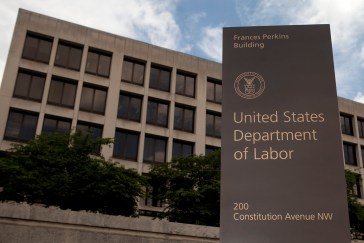
A government watchdog reports that Labor Department regulations haven't made much of an impact on the levels of disclosure and comprehension.
According to a recent Cerulli study, more than half of retired 401(k) participants say Social Security is their primary source of income. At the same time, only 6% of millennials predict they will rely on those funds when they finish their careers.
Updating benefits to include things like automatic enrollment and savings tools can improve employees' financial wellness.
Key strategies include seeding emergency savings to cover six months' worth of expenses with the help of a financial adviser and matching contributions.
The Goldman Sachs 2024 Retirement Survey & Insights Report found that while competing priorities affected workers' ability to save, having a plan in place helped clarify goals and the grit required to meet them.
The court filings seek to overturn two injunctions federal courts imposed after finding the Department of Labor's new conduct standard is too similar to a previous one vacated in 2018.
Offering education and access to a variety of savings options prepares employees for long-term financial wellness.
Providing truly equitable benefits can be measured by discovering that two similarly situated employees classified differently have equitable outcomes.