Managing compassionately during coronavirus
Social isolation of colleagues who may be grieving is a unique part of the crisis that is adding more mental strain on the workplace.
Follow Us
© 2026 Arizent. All rights reserved.

Social isolation of colleagues who may be grieving is a unique part of the crisis that is adding more mental strain on the workplace.
Getting back to work requires thoughtful planning to ease employee fears and optimize mental and physical health.

Now is a time for HR managers to reassess healthcare plans and make important changes, health insurance expert says.


Several months ago, mental health in the workplace was an important topic.
The stress caused by high bills and medical debt can increase employees’ risk of a range of physical and mental health problems.

For advisers and their clients, the crisis has ushered in a new era for mental health, caregiving and telemedicine platforms
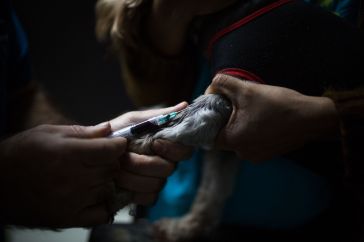
For a veterinarian, the emotional aspects and financial strain of their profession can have a lasting impact on their mental health.

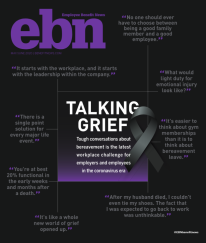
“After my husband died, I couldn’t even tie my shoes,” says Emma Payne, founder of Grief Coach. “The fact that I was expected to go back to work was unthinkable.”

One in five people will experience a mental illness within a given year, according to the Centers for Disease Control and Prevention. However, 70% never seek treatment.
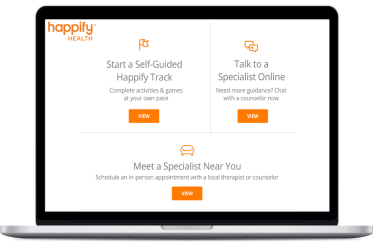
Now is an “opportunity to advance the conversation around mental health and well-being,” says Aetna’s head of behavioral health.

Managers can project gratitude and resilience using positive psychology methods, which will help employees weather the challenges of coronavirus and other workplace adjustments.
Without the ability to catch early signs of burnout, employers may miss important cues as workers struggle with anxiety and stress.

An integrated healthcare model can treat behavioral health issues more holistically than relying on add-on benefits.
It’s estimated that workplace stress now costs employers $500 billion annually in the form of decreased performance at work or absenteeism.

Employers are seeing a spike in demand for EAPs and behavioral health workplace benefits.
The company’s U.S. employees and eligible family members will receive 20 mental health sessions with a therapist or coach each year.


Seeking emotional support is crucial during times of uncertainty, especially for those struggling with anxiety disorders.
ComPsych added a webinar to its global platform to help clients’ employees cope with the global outbreak.


Overwork and 24/7 demands are pushing both men and women to quit their jobs, new data finds.
Increasing participant offerings and promoting engagement could be a powerful step toward helping participants achieve their financial goals.