
Benefits Think A diverse workforce needs diverse employee benefits
Employers should be making an ongoing information gathering effort to make sure that as employees’ needs change, their benefit options continue to meet those needs.
Follow Us
© 2026 Arizent. All rights reserved.


Employers should be making an ongoing information gathering effort to make sure that as employees’ needs change, their benefit options continue to meet those needs.

When chronic conditions are not optimally managed, they can lead to more severe health issues like heart attack, stroke and organ failure.

As employers build a toolkit to help employees make more informed medical decisions, it’s important that they ensure that these tools are easy for employees to access and use.

Making second opinions available can increase employee engagement, helping them to feel more informed and empowered about making medical decisions, and lower healthcare costs.

The 2021 Pulse of HR Report found that 98% of HR leaders said the pandemic has transformed their role and 70% said that this past year has been one of the most stressful of their careers.

For some employees, nothing their employer does will convince them to remain in their current job.
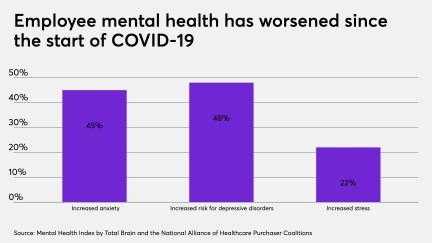
Even before demand for mental health services ratcheted up during the pandemic, it was often difficult for employees to access the care they needed.

Adding an array of wellness benefits to your offerings can help change the behaviors that increase the risk of health problems developing and encourage employees to take ownership of their health.
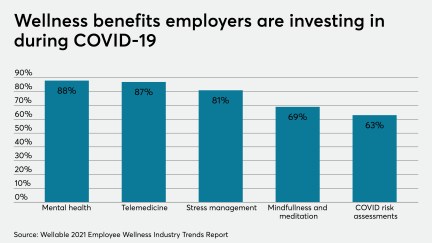
Making it easy and rewarding for remote employees to take part in wellness programs builds a sense of belonging and can also have a positive impact on the employees’ physical and mental health and well-being.

It's even more difficult for an employer to know when employees are facing difficult health problems and connect them with the benefits and resources that can help them.

What will happen when patients finally feel comfortable returning to their healthcare providers’ offices? One survey projects a possible 5.3% increase in health plan costs for large employers in 2021.
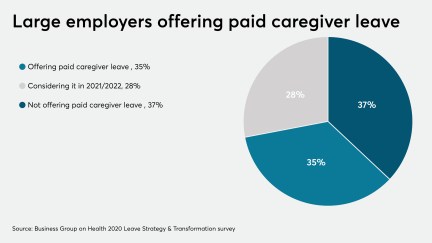
Employers can offer several resources and benefits to help reduce the stress and physical and mental health impact on employees who are caring for aging family members.
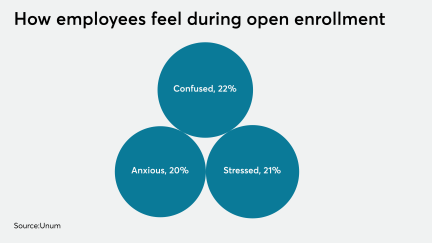
During COVID-19, it's more important than ever to build a communication strategy for available benefit offerings.

Employers can help employees prepare for and manage high healthcare costs related to COVID-19 as well as large medical bills related to other health conditions such as serious illness or accidents several ways.
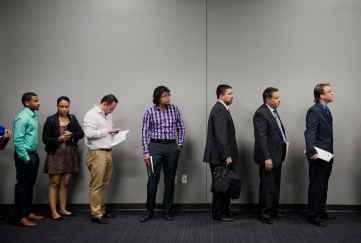
Employers can consider several alternatives to craft an open enrollment and benefits education and engagement strategy that addresses these issues.

High levels of stress associated with loss and trauma increase employees’ risk for physical and mental health problems including diabetes, heart disease, anxiety, depression and substance misuse.

The stress caused by high bills and medical debt can increase employees’ risk of a range of physical and mental health problems.
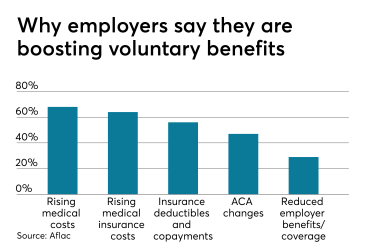
When benefits are customized to fit employee needs, not only are employees happier, they’re also significantly more satisfied with their jobs, loyal to their employers and engaged and productive at work.
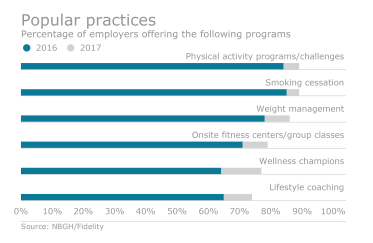
Employers have a key role to play in helping employees lead healthier lives and reduce their risk of mental health and substance use disorders, as well as chronic diseases.

Employers should inform sick employees and their family members about the support tools available at work.